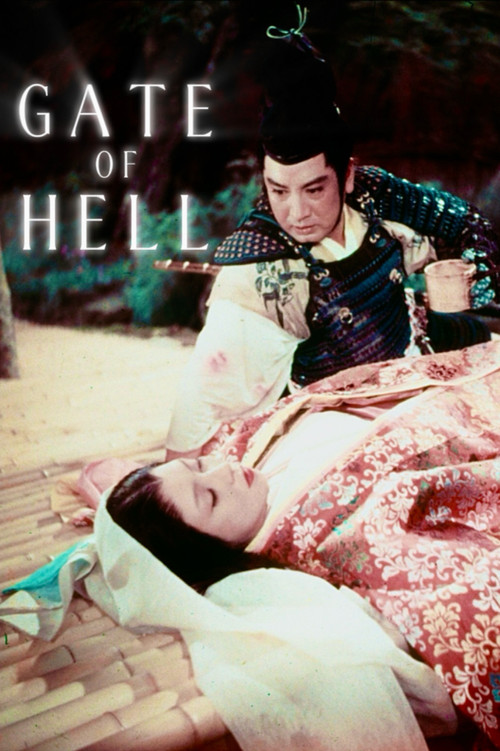
Gate of Hell
1953
No user ratings available yet
Diversity score: 3.1 out of 10
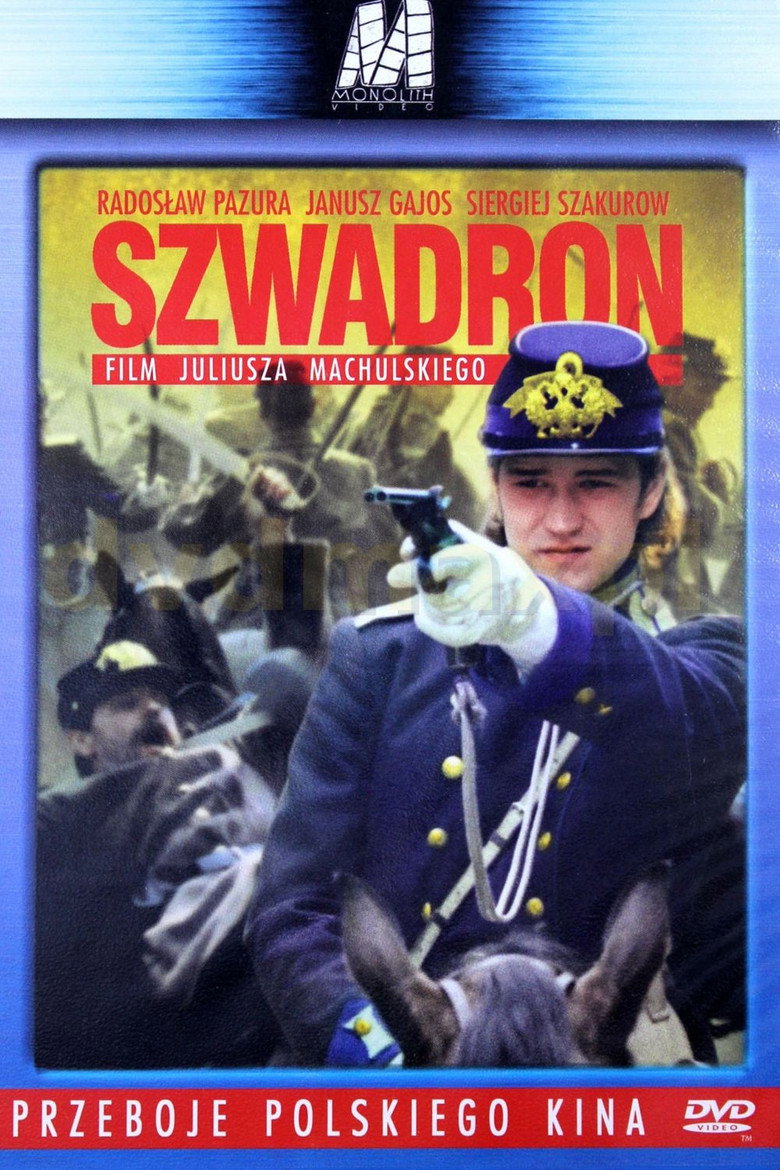
1992
Director
Juliusz Machulski
Runtime
100 minutes
Average Rating
No ratings yetSynopsis
A young Russian aristocrat, Baron Fyodor Jeremin, volunteers to serve with a Dragon squadron to impress the girl who rejected his love. Just at this time the 1863 insurrection explodes in Poland. He enlists to serve in the army being sent to suppress the revolt. He believes that now it's enough to defeat the Poles, become an officer and hero, get a bunch of medals, and then return and lay all of this at the feet of her beloved. However, the "little Polish war" looks completely different to the way that young Jeremin imagined it to be. In course of time, he learns to be on the wrong side. But there is no escape - he must kill or he will be killed. What's more, he falls in love with a beautiful Polish girl...
Overall Score
Fair
Category Breakdown
LGBTQ+ Representation
The film lacks explicit queer identities or non-cisnormative characters. The narrative focuses on traditional romantic tensions between the Russian protagonist and a Polish heroine.
Gender Representation
Gender roles follow conventional period drama dynamics. The female lead acts as a catalyst for the male protagonist's transformation rather than exercising independent agency.
Racial & Ethnic Diversity
The story centers on the ethnic conflict between Russian imperial forces and Polish insurgents. While the cast is primarily European, it explores the friction of occupation.
Religious & Cultural Diversity
The film excels by critiquing imperial institutions and the myth of heroic warfare. It uses moral ambiguity to deconstruct traditional patriotic and state-sanctioned narratives.
Disability Representation
There is no discernible evidence regarding the depiction of physical or neurodivergent disabilities within the narrative.
Strengths
Areas for Improvement
AI Analysis
Squadron is a historical drama that prioritizes the deconstruction of imperialist power over modern intersectional representation. Its strength lies in its sophisticated critique of systemic oppression and the moral ambiguity of war. While the film lacks LGBTQ+ and disability representation, it provides a nuanced look at ethnic conflict through the lens of the 1863 Polish insurrection. The protagonist's journey from imperial glory to moral realization serves as a powerful subversion of traditional military archetypes. Ultimately, the film's diversity is found in its intellectual engagement with cultural and political hierarchies rather than a diverse cast of identities.
1953
1990
2011
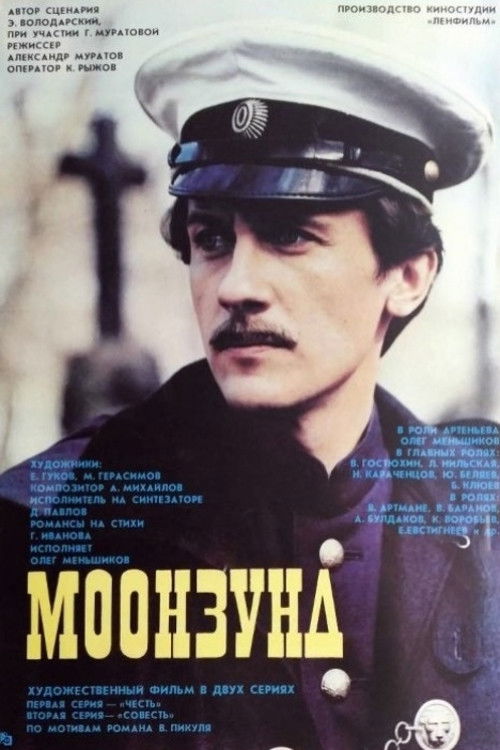
1987
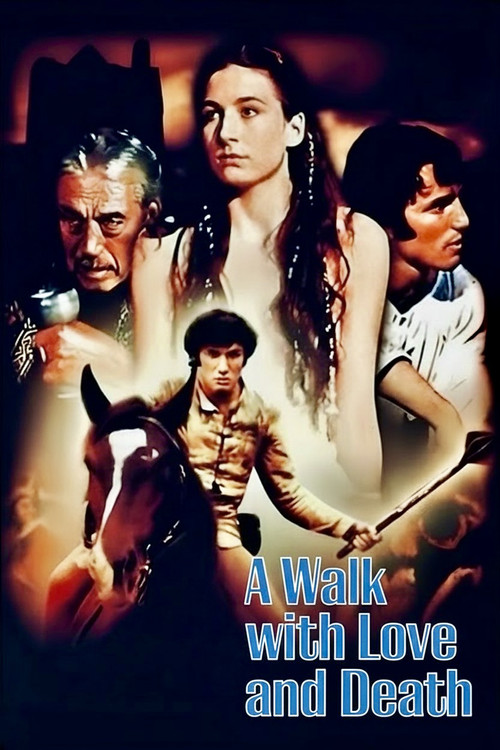
1969
No reviews yet. Be the first to share your thoughts on this movie!
Use the rating form above to leave a star rating and optional review.