The Blizzard
1964
No user ratings available yet
Representation score: 2.1 out of 10
Representation Score
Limited
2000
Director
Aleksandr Proshkin
Runtime
130 minutes
Average Rating
No ratings yetNew Showbiz Analysis
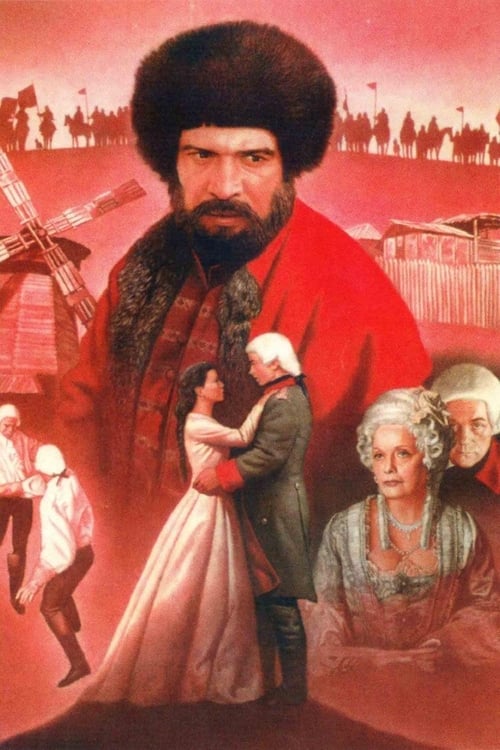
Russian Riot is a traditional historical epic that emphasizes romanticism and social upheaval. The narrative structure revolves around the collision between personal experiences and the chaos of the Pugachev Rebellion. The film adheres to the conventions of its period genre, focusing on class-based conflicts and established romantic themes. It explores the friction between different social strata, such as Cossacks and the aristocracy, without engaging with modern identity politics.
Category Breakdown
The film focuses on a heterosexual relationship between Pyotr and Masha. There are no characters with non-binary gender identities or same-sex relationships.
Masha plays a central role as an emotional driver, but her character is defined mainly by her relationships with men. The narrative adheres to traditional 18th-century gender roles.
The story examines social tensions between Cossacks, serfs, and the aristocracy. It highlights the struggles and resilience of the peasant class.
The plot centers on the Pugachev rebellion against imperial authority. It presents this historical event through a lens of romanticism rather than modern institutional critique.
There are no characters with visible or invisible disabilities mentioned in the narrative.
Present on Screen
Limited or Absent
Official Synopsis
The end of the XVIII century. The reign of Catherine II. In the deep Russian provinces, among the vast steppes of the Ural escaped convict Yemelyan Pugachev proclaimed himself Emperor Peter III of Russia. Under the banner of the Pretender embarked detachments of Cossacks, fugitive serfs, and many spirited people. In these troubled times in the God-forsaken Belogorsk young officer Pyotr Grinyov meets his first love - Masha, the daughter of Captain Mironov. Recklessly passionate love with each other did not want to notice the signs of impending trouble. They did not know that soon they will be an ordeal. They could not imagine how bizarre way their fates intertwined with the fate of the self-proclaimed king, and what an incredible effort will be worth it to save their lives and feelings in the bloody chaos of Russian riot.
1964
1934
2004
1998
2001
1999
2016
2011
No reviews yet. Be the first to share your thoughts on this movie!
Use the rating form above to leave a star rating and optional review.