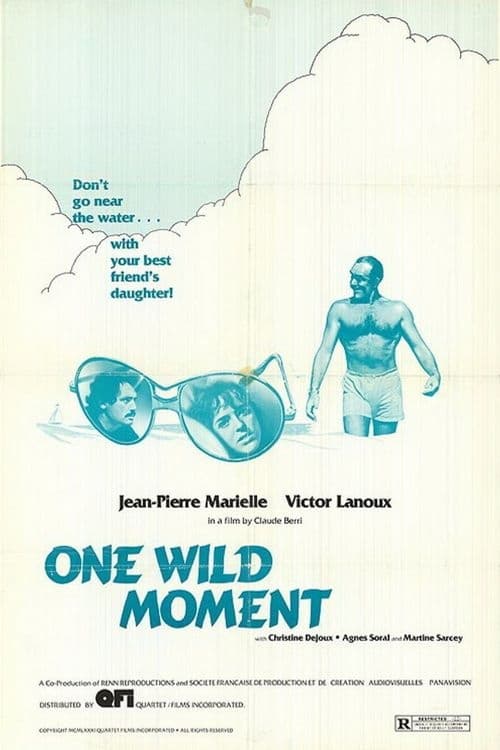
One Wild Moment
1977
No user ratings available yet
Representation score: 5.4 out of 10

Representation Score
Good
1987
RDirector
David Leland
Runtime
92 minutes
Average Rating
No ratings yetNew Showbiz Analysis
David Leland’s work employs social realism to explore the tension between personal freedom and societal constraints. The film effectively dismantles traditional hierarchies through the lens of class and gender rebellion. While the film provides a nuanced critique of mid-century British social norms and family structures, it remains limited in its scope of diversity. The narrative primarily focuses on a specific socioeconomic environment rather than a broad range of demographics. Ultimately, the film's strength lies in its portrayal of female rebellion against traditional gender roles and its critique of restrictive social institutions.
Category Breakdown
The film does not prominently feature LGBTQ+ characters or non-assuming gender matches what was assigned at birth identities. Sexual explorations are confined to the protagonist's heterosexual relationships and ability to act.
Lynda challenges traditional feminine roles through her outspokenness and sexual behavior. She rejects the post-war societal norms that expected women to be passive and compliant.
The story centers on a predominantly white British working-class setting. It lacks significant racial or ethnic diversity, focusing instead on socioeconomic identity.
The narrative criticizes restrictive Western social norms and the stagnation of local morality. It portrays the protagonist's rebellion as a response to oppressive, hypocritical standards.
There is no central depiction of physical or neurodivergent disabilities. Representation in this area is minimal and does not significantly influence the film's themes.
Present on Screen
Limited or Absent
Official Synopsis
In a staid English seaside town after the Second World War, young Lynda grows up with her widowed father and younger sister. Rebellious Lynda has been swearing constantly from an early age. At sixteen, she becomes more exhibitionist and seeks out sexual encounters challenging the prevailing lower-middle class attitudes to sex.
1977
1970
1963

1961
1961
1971
1994
1960
No reviews yet. Be the first to share your thoughts on this movie!
Use the rating form above to leave a star rating and optional review.