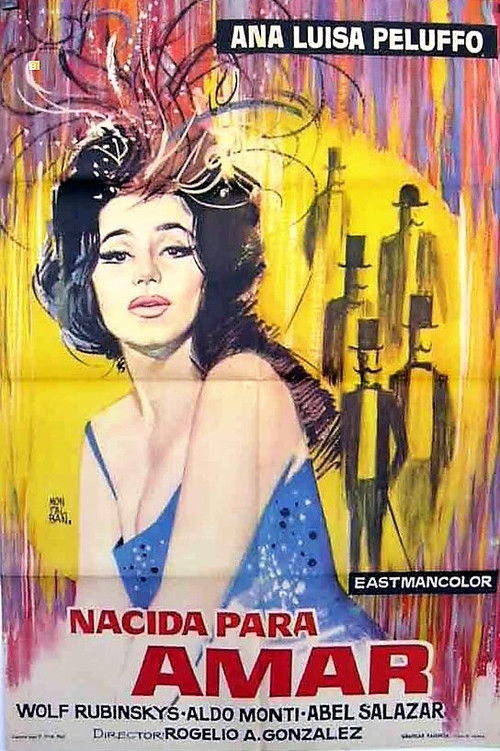
Born to Love
1959
No user ratings available yet
Diversity score: 2.4 out of 10
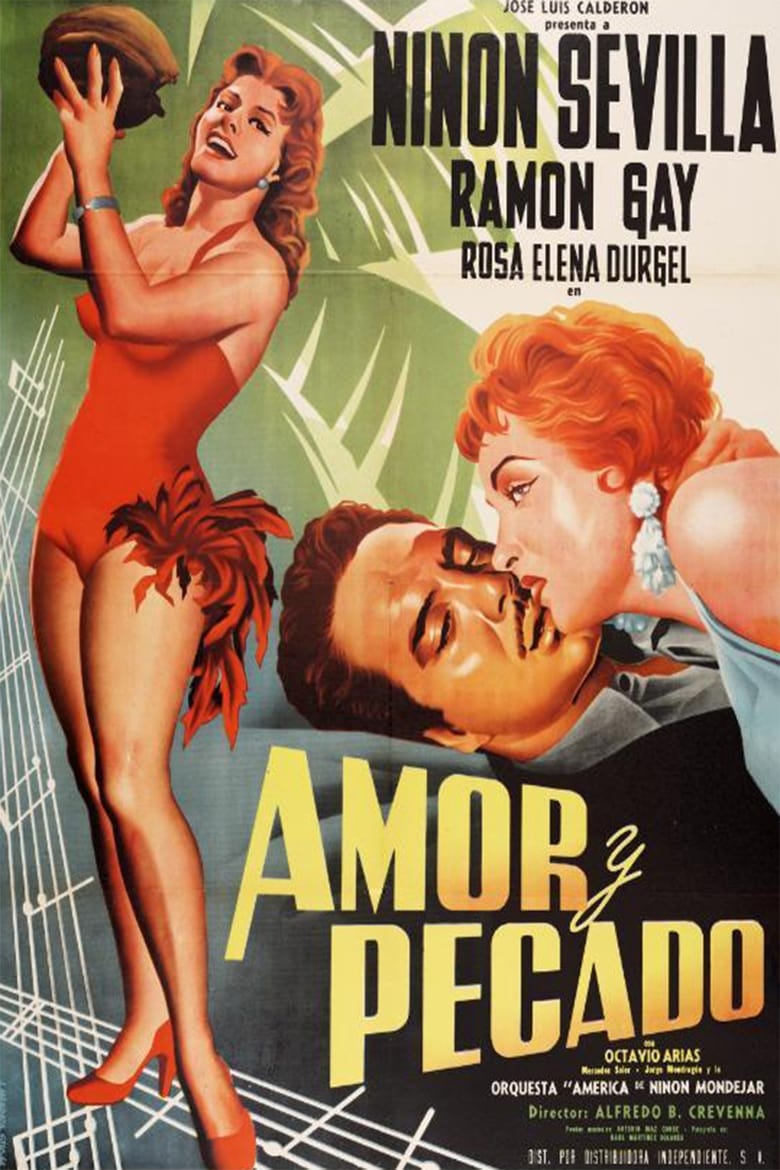
1956
TV-PGDirector
Alfredo B. Crevenna
Runtime
86 minutes
Average Rating
No ratings yetSynopsis
A dramatic encounter between passionate love and fraternal love. Two brothers fall in love with the same woman, played by the beautiful dancer Ninón Sevilla, an orphan they rescued during their childhood. Though she loves only one of them, she decides to give up her happiness rather than destroying the reason of the other she doesn't love.
Overall Score
Limited
Category Breakdown
LGBTQ+ Representation
The film centers on a heterosexual romantic triangle. There is no evidence of queer subtext or non-cisnormative identities within the narrative.
Gender Representation
Ninón Sevilla provides a central performance with significant emotional agency. However, the plot relies on the sacrificial woman trope, emphasizing traditional feminine self-denial.
Racial & Ethnic Diversity
The production reflects the standard demographics of the Mexican Golden Age. It features a non-Anglo-Saxon cast without explicitly attempting to subvert racial hierarchies.
Religious & Cultural Diversity
The story is grounded in conventional ethics and family loyalty. It operates within a traditional moral framework rather than deconstructing established values.
Disability Representation
There are no visible or invisible disabilities mentioned as part of the character arcs or plot drivers.
Strengths
Areas for Improvement
AI Analysis
Love and Sin is a classic mid-century melodrama that prioritizes emotional stakes and moral dilemmas over social commentary. The narrative architecture focuses on a triangular conflict between two brothers and a shared love interest, emphasizing individual passion and fraternal duty. While the film offers a prominent role for Ninón Sevilla, it reinforces traditional gender roles through the theme of female sacrifice. The film's cultural perspective is rooted in the preservation of family bonds and conventional morality typical of its era. Ultimately, the work functions as a period-specific drama that adheres to established social hierarchies rather than challenging them through progressive or intersectional lenses.
1959

1963
1959
1966
1957
1962
1957
1949

1990
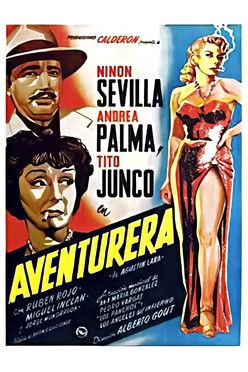
1950
1963
1951
No reviews yet. Be the first to share your thoughts on this movie!
Use the rating form above to leave a star rating and optional review.