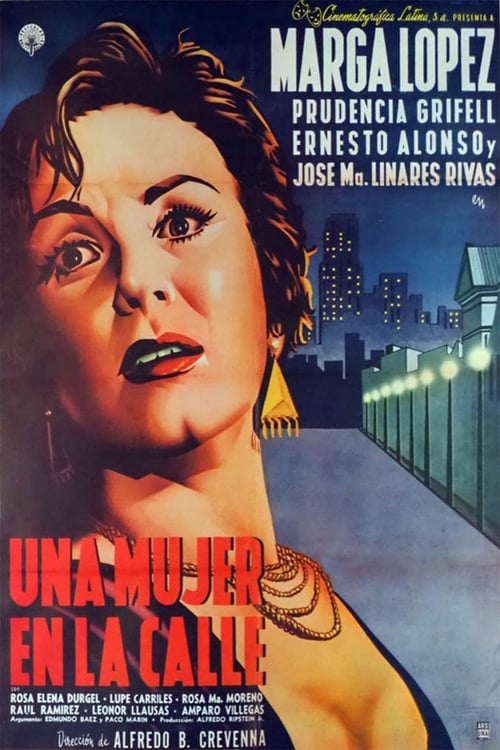
Una mujer en la calle
1955
No user ratings available yet
Diversity score: 3.8 out of 10
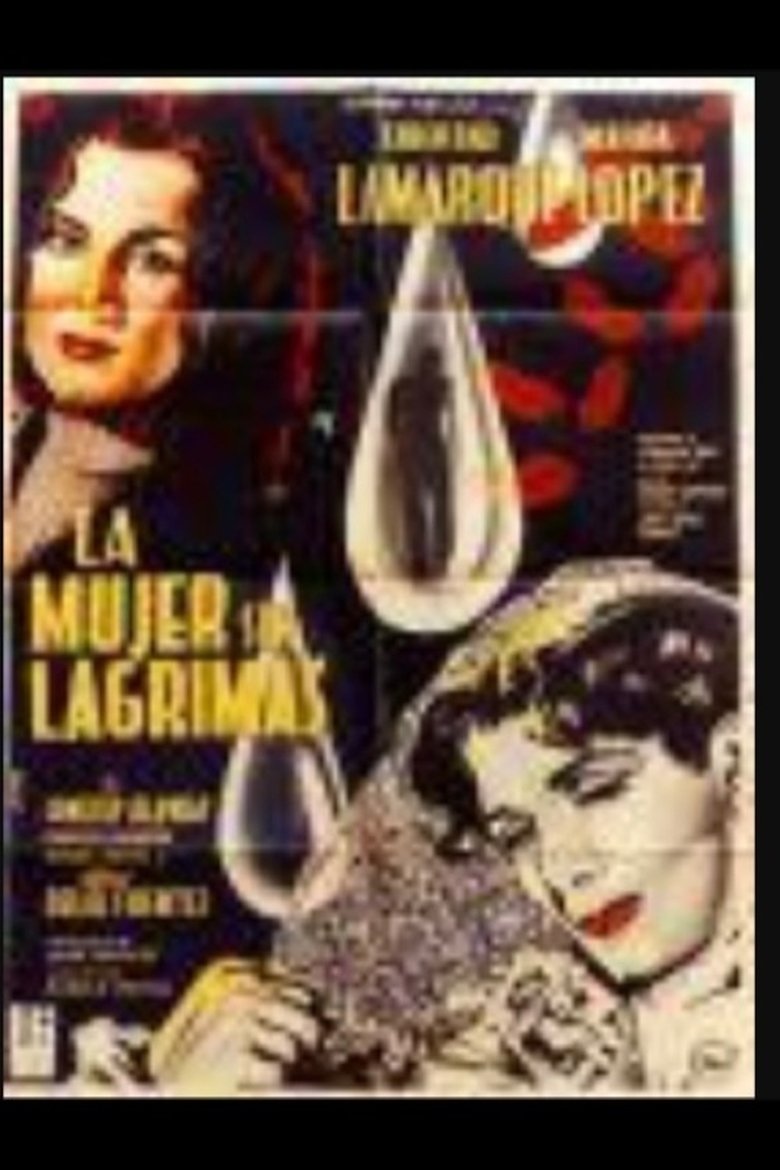
1951
Director
Alfredo B. Crevenna
Runtime
90 minutes
Average Rating
No ratings yetSynopsis
Melodrama about a girl brought up by a stepmother.
Overall Score
Limited
Category Breakdown
LGBTQ+ Representation
The film offers no evidence of non-heteronormative identities. It likely reinforces the traditional romantic and gendered structures common to the 1951 melodrama genre.
Gender Representation
The narrative centers on a female protagonist and a stepmother, yet relies on established archetypes of maternal rivalry. It operates within conventional depictions of femininity and domestic roles.
Racial & Ethnic Diversity
The cast likely reflects a homogeneous representation of Mexican identity typical of the Golden Age. There is no evidence of intentional multi-ethnic or intersectional casting.
Religious & Cultural Diversity
The story emphasizes traditional mid-century values like family dynamics and moral fortitude. It reinforces social and familial cohesion rather than challenging institutional norms.
Disability Representation
The film provides no information regarding the inclusion or portrayal of characters with physical or neurodivergent disabilities.
Strengths
Areas for Improvement
AI Analysis
La mujer sin lagrimas is a quintessential product of the Golden Age of Mexican cinema, functioning strictly within the emotional and social constraints of the 1951 melodrama. The story focuses on domestic tension and familial conflict, specifically the relationship between a girl and her stepmother. While the film provides a central female perspective, it does so through traditional archetypes rather than subverting gender hierarchies. The narrative architecture prioritizes moral perseverance and social stability over progressive social commentary. Ultimately, the film serves as a period piece that adheres to the era's established cinematic conventions. It lacks the intentionality to disrupt social hierarchies, focusing instead on the genre's standard tropes of domesticity and emotionality.
1955
1956
1950
1969
1950

1963
1961
No reviews yet. Be the first to share your thoughts on this movie!
Use the rating form above to leave a star rating and optional review.