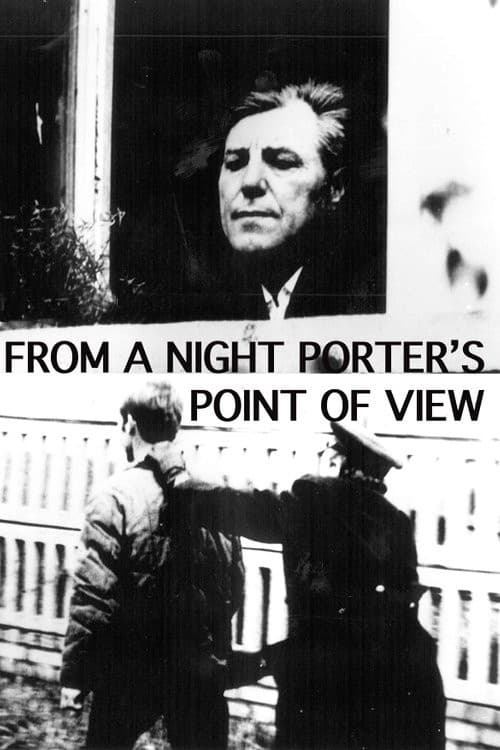
From a Night Porter's Point of View
1979
No user ratings available yet
Diversity score: 4.7 out of 10

1979
Director
Krzysztof Kieślowski
Runtime
16 minutes
Average Rating
No ratings yetSynopsis
Each day of the week is represented by a ballerina beginning with a young child and ending with an older ballet teacher.
Overall Score
Limited
Category Breakdown
LGBTQ+ Representation
The film focuses on the developmental stages of female dancers. There is no explicit evidence of non-heteronormative identities or same-sex intimacy within the narrative.
Gender Representation
The documentary centers entirely on female subjects across a full lifecycle. It subverts traditional hierarchies by presenting women as figures of authority and discipline.
Racial & Ethnic Diversity
No information is available regarding the racial or ethnic composition of the dancers. The production likely reflects the demographic realities of 1979 Poland.
Religious & Cultural Diversity
The film offers a secular, philosophical exploration of dedication through ballet. It prioritizes individual human experience over dogmatic or institutional religious narratives.
Disability Representation
There is no evidence regarding the depiction of physical or neurodivergent disabilities. The focus remains on the physically optimized world of ballet.
Strengths
Areas for Improvement
AI Analysis
Kieślowski’s documentary provides a profound, gender-centric study of the female experience. By tracking women from childhood to elderhood through ballet, the film offers a nuanced look at female agency and the transmission of knowledge across generations. However, the work lacks intersectional depth. The absence of verifiable data regarding racial diversity and specific LGBTQ+ identities limits its broader representative impact. The film functions more as a temporal study of gender than a vehicle for diverse identity politics. Ultimately, the film is a specialized observation of a specific discipline and demographic, making it a significant study of gendered life cycles despite its limited racial and queer visibility.
1979

1971

1980

1973

1966
1972

1980
1973

1978
1952
1979
1986
No reviews yet. Be the first to share your thoughts on this movie!
Use the rating form above to leave a star rating and optional review.