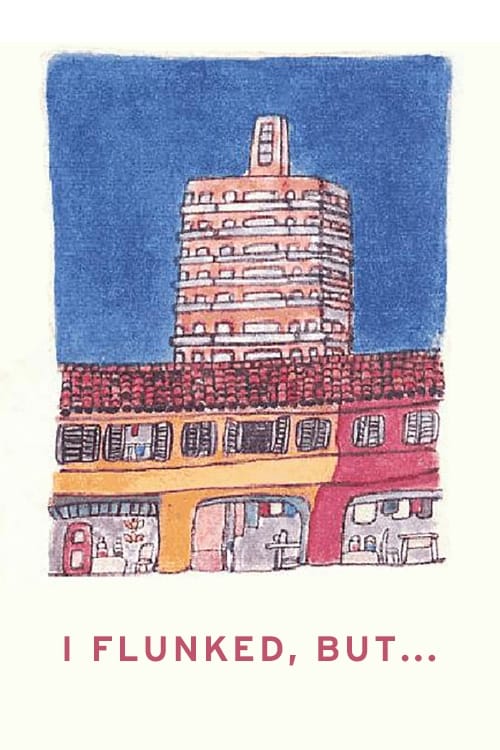
I Flunked, But...
1930
No user ratings available yet
Diversity score: 4.1 out of 10

1929
Director
Yasujirō Ozu
Runtime
11 minutes
Average Rating
No ratings yetSynopsis
Tetsuo Nomoto, a young graduated student tries to find a decent job by himself. Later on, he will marry his girlfriend, Machiko, whom he hides the fact that he has no job. Hardships come quickly, which forces Machiko to find a job in a bar. [Partially lost film; only 12 minutes survive.]
Overall Score
Fair
Category Breakdown
LGBTQ+ Representation
The narrative centers on a traditional heterosexual romance between Tetsuo and Machiko. There is no evidence of non-cisnormative identities or critiques of heteronormativity present.
Gender Representation
Machiko subverts traditional hierarchies by demonstrating significant agency. While Tetsuo struggles to meet masculine provider expectations, she enters the workforce to sustain the household.
Racial & Ethnic Diversity
The film features a culturally homogeneous cast typical of the 1929 Japanese studio system. It avoids a Western-centric gaze but lacks intersectional racial blending.
Religious & Cultural Diversity
The story provides a sophisticated critique of economic structures and institutional failure. It portrays the social compromises required by capitalist pressures during a period of modernization.
Disability Representation
The available information does not contain any depictions of visible or invisible disabilities.
Strengths
Areas for Improvement
AI Analysis
Yasujirō Ozu’s work offers a nuanced look at the friction between individual agency and systemic economic failure. The film is most notable for its subversion of gendered expectations, moving away from passive female tropes to show women as pragmatic drivers of survival. While the film lacks modern intersectional markers like LGBTQ+ representation or multi-ethnic casting, its focus on the realistic struggles of domestic life under economic duress provides significant progressive value for its era. It serves as a vital historical document of non-Western storytelling.
1930
1929
1931

1933
2023
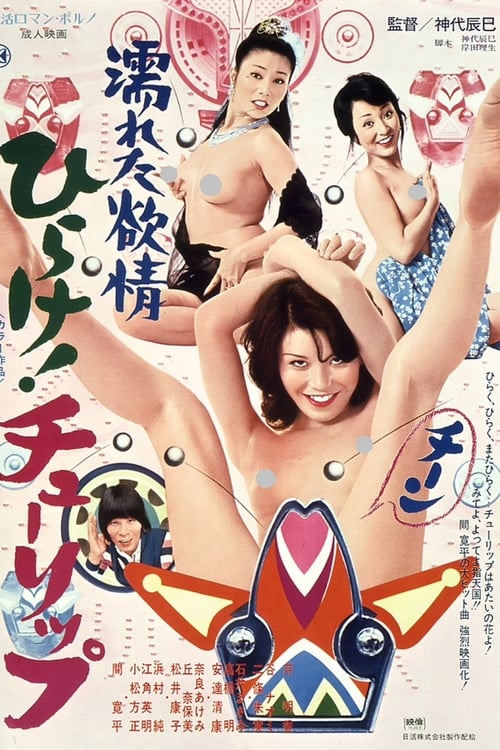
1975
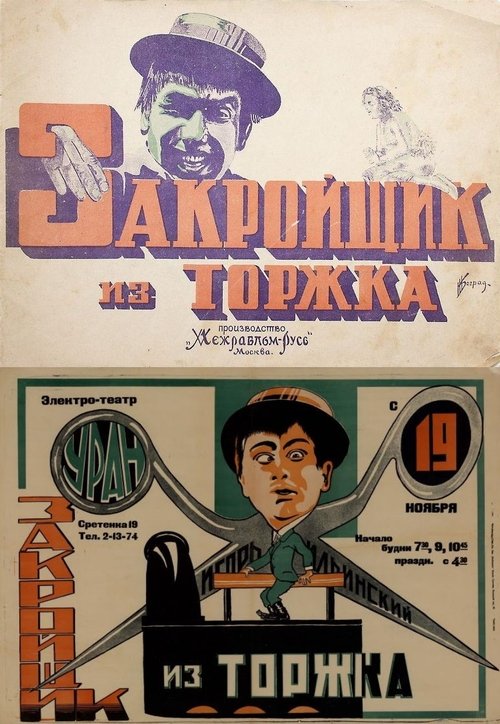
1925

1963
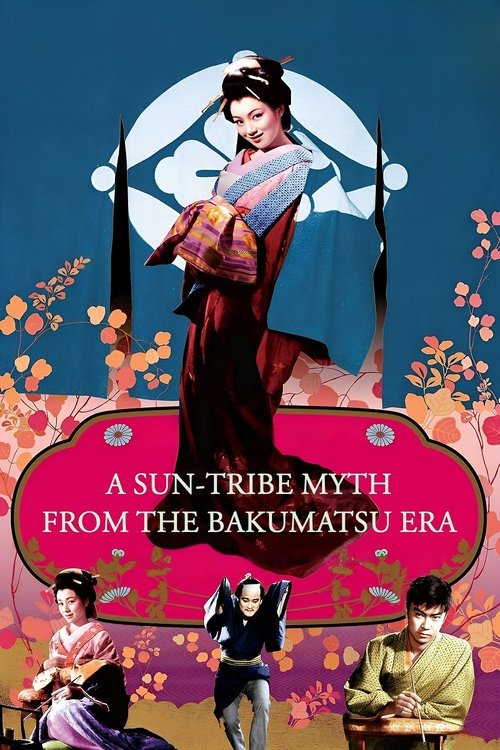
1957
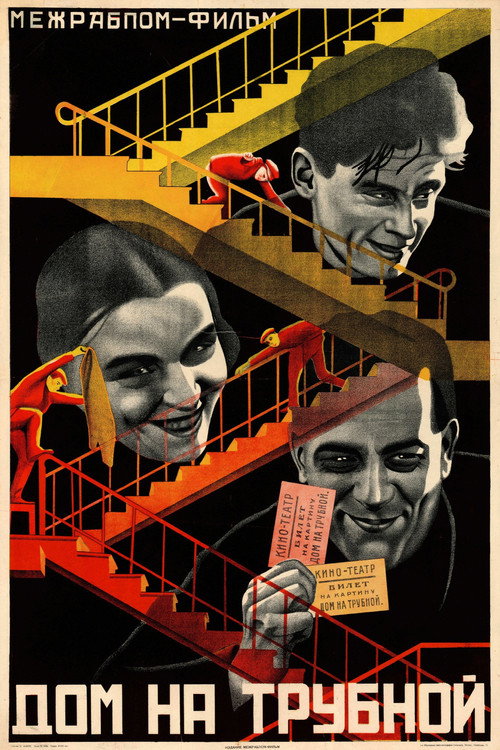
1928
1926
1931
No reviews yet. Be the first to share your thoughts on this movie!
Use the rating form above to leave a star rating and optional review.