
Something Like It
1981
No user ratings available yet
Representation score: 4.9 out of 10
Representation Score
Fair
1975
Director
Tatsumi Kumashiro
Runtime
76 minutes
Average Rating
No ratings yetNew Showbiz Analysis
The film explores the lives of working-class characters, emphasizing their struggles within a rigid social structure. It avoids traditional heroic narratives, focusing instead on the raw human experience of those on the margins. While the cast is culturally homogeneous, the narrative challenges traditional masculine roles by making the protagonists' success dependent on domestic structures. The focus on social outcasts provides a critical view of economic mobility. Ultimately, the film prioritizes the experiences of those living outside conventional moral and social frameworks, offering a unique perspective on the human condition.
Category Breakdown
The story focuses on heterosexual relationships and marriage. There are no explicit LGBTQ+ characters or direct critiques of the assumption that everyone is straight or cisgender.
The plot centers on two men whose actions are influenced by societal expectations around marriage. Their success is tied to domestic structures rather than traditional masculine roles.
The film features a predominantly Japanese cast, avoiding Western-centric clichés and maintaining a localized cultural identity.
The story highlights social outcasts and anti-establishment themes, focusing on the perspectives of those underrepresented within the capitalist system.
There is no mention of characters with visible or invisible disabilities within the provided narrative overview.
Present on Screen
Limited or Absent
Official Synopsis
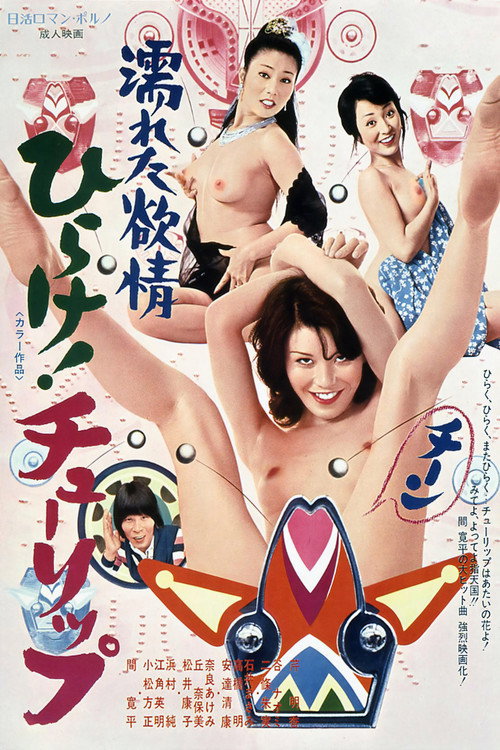
Akira and Hiroshi are two lowlives who work at a pachinko parlour. Hiroshi is a ladies' man but always loses at pachinko. Akira is a virgin at 25 but always wins. Hiroshi tries to get Akira laid with little success but things change when Akira is informed of a 88 million yen inheritance. But only if he can get married.
1981

2018
1982

1995
2007

2004

1976

1981
No reviews yet. Be the first to share your thoughts on this movie!
Use the rating form above to leave a star rating and optional review.