
Girls, Girls
1967
No user ratings available yet
Diversity score: 2.6 out of 10
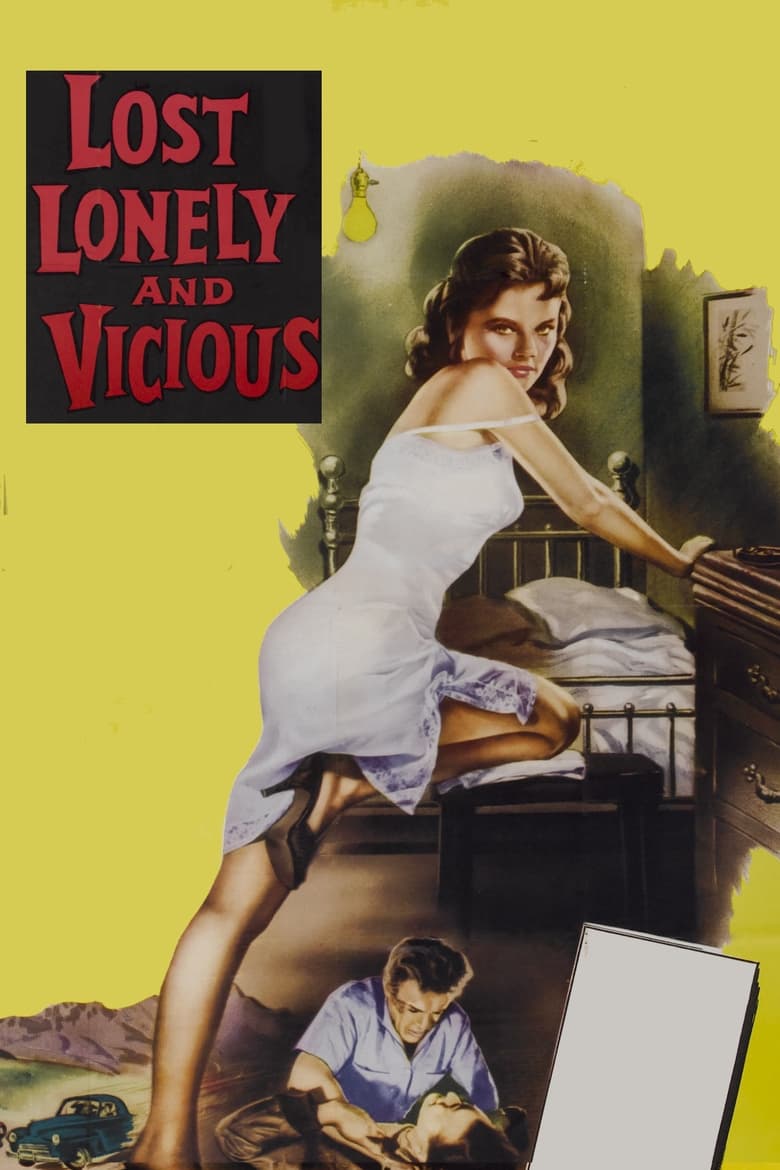
1958
Runtime
73 minutes
Average Rating
No ratings yetSynopsis
Rising young male movie star, bizarrely preoccupied with death and involved with his older-woman dramatic coach, meets an innocent sweet-young-thing.
Overall Score
Limited
Category Breakdown
LGBTQ+ Representation
The film lacks explicit depictions of non-heteronormative identities or same-sex intimacy. The narrative focuses on a male star and female characters, suggesting a traditional heteronormative framework.
Gender Representation
The story centers on a male protagonist, relegating women to supporting roles. While an older female coach holds professional influence, the younger female character relies on passive, 'innocent' tropes.
Racial & Ethnic Diversity
The film appears to reflect the homogeneous casting standards of 1950s Hollywood. There is no evidence of a non-Anglo-Saxon majority or diverse ethnic casting.
Religious & Cultural Diversity
The narrative operates within a standard mid-century moralistic framework. It focuses on individual pathology rather than critiquing Western institutions or systemic power dynamics.
Disability Representation
There is no information available regarding the portrayal of physical, neurodivergent, or mental health disabilities in this production.
Strengths
Areas for Improvement
AI Analysis
Lost, Lonely and Vicious is a product of the 1958 studio system, adhering strictly to the social hierarchies and narrative conventions of its era. It functions as a standard mid-century melodrama centered on a male protagonist's psychological struggles. The film lacks intentionality regarding intersectional representation. It relies on traditional gender tropes and maintains the era's standard lack of racial and LGBTQ+ diversity, offering little disruption to the status quo.
1967

1961

1958

1956
1968
1957

1945

1957
1947

1957

1961

1955
No reviews yet. Be the first to share your thoughts on this movie!
Use the rating form above to leave a star rating and optional review.