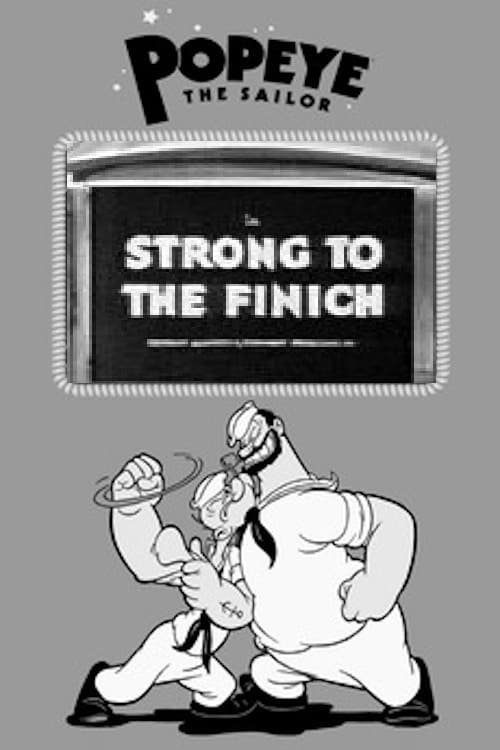
Strong to the Finich
1934
No user ratings available yet
Representation score: 1.1 out of 10
Representation Score
Minimal
1942
ApprovedDirector
Dave Fleischer
Runtime
6 minutes
Average Rating
No ratings yetNew Showbiz Analysis
This 1942 animated short is a product of its era, prioritizing physical slapstick and the reinforcement of conventional authority figures. The narrative structure is built around a central male protagonist enforcing order within a traditional family unit. The film lacks complexity in representing diverse identities, focusing instead on a homogeneous group of characters. It adheres to the social norms of the 1940s, emphasizing discipline and patriarchal control rather than diverse representation or social critique.
Category Breakdown
The film does not include any LGBTQ+ characters or narratives about non-assuming gender matches what was assigned at birth identities. The story centers on a patriarchal family dynamic within the Popeye universe.
The narrative emphasizes traditional patriarchal hierarchies. Popeye serves as a male figurehead who resolves conflicts through disciplinary authority over his male nephews.
The cast appears homogeneous, featuring Popeye and his nephews without any indication of racial blending. It operates within a non-diverse, traditional framework.
The short promotes traditional Western values regarding discipline and the nuclear family. It celebrates the restoration of order through established hierarchical structures.
There is no evidence of characters with visible or invisible disabilities. Disability is not used as a narrative device in this short.
Present on Screen
Limited or Absent
Official Synopsis
Popeye's 4 newphews try to sneak out instead of eating their spinach, so Popeye demonstrates some of the benefits: playing piano, dancing, shadow boxing but each is met with "but we don't like spinach." Finally, Popeye spanks them, and they start eating their spinach. After which, they play the piano until it breaks then use boards from the wreckage to spank Popeye.
1934
1940
1934
1940
1937
1934
1938
1935
No reviews yet. Be the first to share your thoughts on this movie!
Use the rating form above to leave a star rating and optional review.