Seasin's Greetinks!
1933
No user ratings available yet
Diversity score: 1.4 out of 10
1938
Director
Dave Fleischer
Runtime
7 minutes
Average Rating
No ratings yetSynopsis
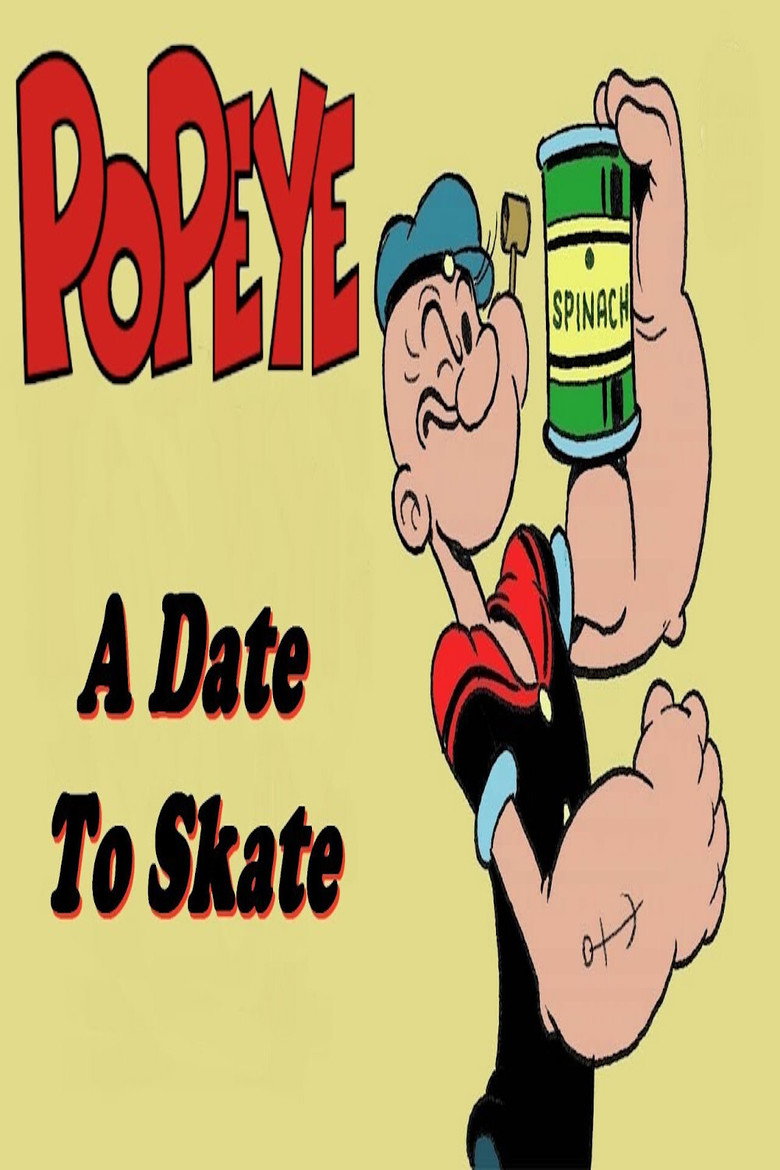
Popeye takes Olive roller skating in a rink. She's never skated before, so he has to teach her, and she's not a quick learner. Before long Olive ends up outside the rink, rolling wildly out of control.
Overall Score
Minimal
Category Breakdown
LGBTQ+ Representation
The film follows a traditional romantic courtship structure typical of the 1930s. There are no LGBTQ+ characters or narratives present.
Gender Representation
The story reinforces 1930s gender hierarchies. Popeye acts as the competent instructor and protector, while Olive Oyl is portrayed as a clumsy novice requiring guidance.
Racial & Ethnic Diversity
The cast is homogeneous and lacks racial intersectionality. There is no evidence of non-white or non-Anglo-Saxon characters in this short.
Religious & Cultural Diversity
The narrative promotes traditional social structures through the concept of a romantic date. It functions as escapist entertainment reinforcing standard social norms.
Disability Representation
Olive's lack of physical coordination is used strictly for slapstick comedy. The film does not explore physical disability or neurodivergence with any agency.
Strengths
Areas for Improvement
AI Analysis
A Date to Skate is a period-specific artifact that reflects the demographic homogeneity and social hierarchies of late 1930s American animation. The narrative relies on established comedic tropes that center on traditional courtship and gendered competence. The film lacks any meaningful representation of LGBTQ+ identities, diverse racial backgrounds, or disability. Instead, it utilizes character struggles, such as Olive's lack of coordination, purely as a catalyst for physical humor. Ultimately, the work functions as standard escapist entertainment. It reinforces the era's conventional social norms rather than challenging or expanding upon them.
1933
1939
1937
1939
1936
1933
1936
1933

1939
1936
1941
1937
No reviews yet. Be the first to share your thoughts on this movie!
Use the rating form above to leave a star rating and optional review.