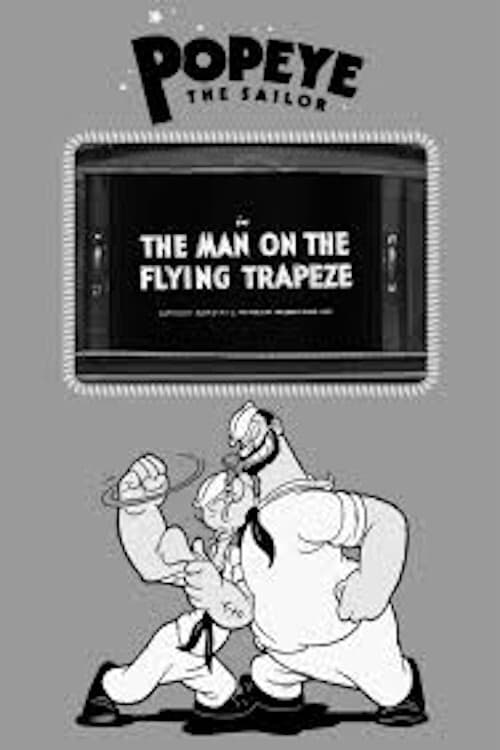
The Man on the Flying Trapeze
1934
No user ratings available yet
Representation score: 0.4 out of 10
Representation Score
Minimal
1937
ApprovedDirector
Dave Fleischer
Runtime
6 minutes
Average Rating
No ratings yetNew Showbiz Analysis
This 1937 animation is a product of its era, relying on mid-century archetypes and slapstick humor. The narrative structure emphasizes traditional romantic clichés and masculine competition over any form of social subversion. Character roles are strictly defined by historical hierarchies. Olive Oyl's role is limited, as her safety depends on male intervention during the central conflict. The lack of diverse casting and complex identity representation keeps the score low. Ultimately, the film functions as a straightforward character-driven comedy, adhering to established social norms of the 1930s.
Category Breakdown
The film follows a traditional romantic triangle where two men compete for a woman's affection, reinforcing conventional romantic dynamics.
Olive Oyl transitions from being a business owner to a character in need of rescue, highlighting her vulnerability. Male characters dominate the plot through physical strength and aerial combat.
The cast appears homogeneous, with no indication of racial blending or non-white protagonists in this early American animation ensemble.
The story operates within a traditional Western framework focusing on individual conflict and physical prowess. It lacks engagement with diverse cultural critiques or anti-institutional themes.
The film provides no evidence regarding the depiction of physical or neurodivergent disabilities.
Present on Screen
Limited or Absent
Official Synopsis
Popeye is sitting outside Olive's lunchroom at the airport, distraught. She's closed the business to fly away with an aviator (Bluto, of course). But it's hardly what she expected; he has her painting his plane, while it's flying; when she says she's rather go back to Popeye, he tries to throw her off the plane. Popeye sees this, and takes off in a plane, just in time to help her out. The boys get into a dogfight, and Bluto manages to demolish Popeye's plane.
1934
1937
1936
1936
1936
1937
1934
1937
No reviews yet. Be the first to share your thoughts on this movie!
Use the rating form above to leave a star rating and optional review.