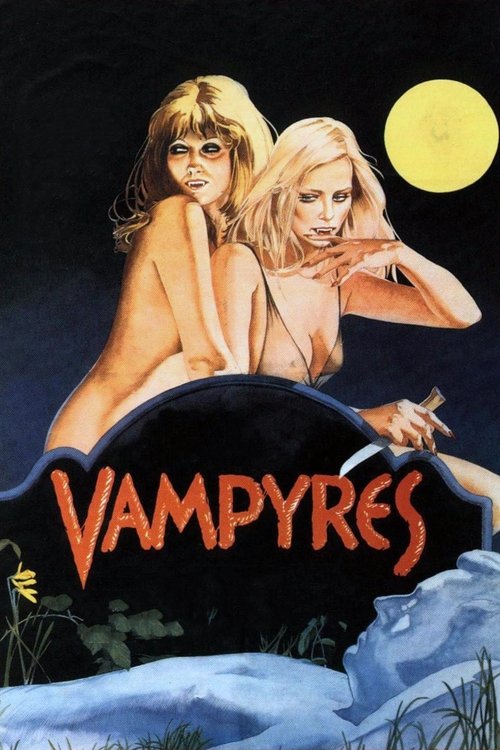
Vampyres
1974
No user ratings available yet
Representation score: 4.5 out of 10
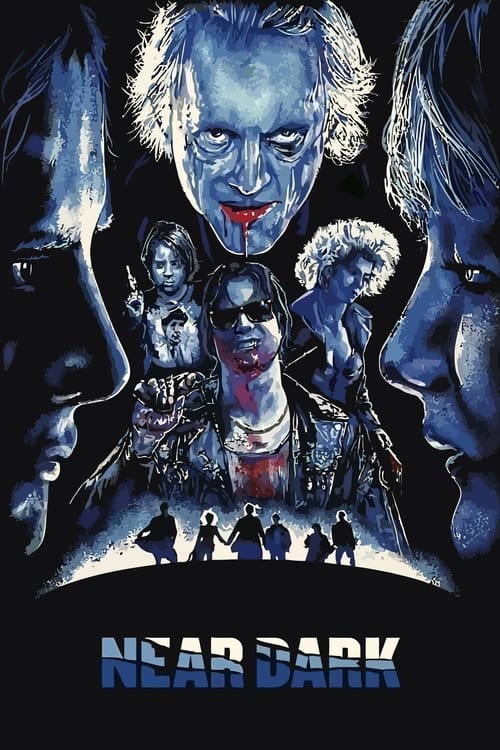
Representation Score
Fair
1987
RDirector
Kathryn Bigelow
Runtime
94 minutes
Average Rating
No ratings yetNew Showbiz Analysis
Kathryn Bigelow’s direction transforms the horror genre into a sophisticated examination of power. By replacing the traditional ideals of the American West with a fluid, nomadic subculture, the film challenges established cultural archetypes and the pioneer myth. The film excels in its subversion of gender roles and its critique of rigid social orders. It replaces the sterility of traditional agrarian stability with a complex, familial structure among the outcasts, offering a nuanced exploration of ability to act. However, the film remains limited by its focus on traditional heterosexual relationships and a lack of specific emphasis on disability. While the ensemble is diverse in its status as outsiders, the narrative does not deeply explore specific ethnic or LGBTQ+ identities.
Category Breakdown
The film lacks prominent LGBTQ+ characters or explicit relationships that go beyond the assumption that everyone is straight or cisgender. The central relationship between Caleb and Mae follows traditional heterosexual norms.
Mae disrupts traditional gender roles by acting as a powerful force of change rather than a passive figure. She challenges the damsel in distress cliché by taking an active role in the protagonist's transformation.
The vampire collective functions as a diverse, nomadic unit that goes beyond traditional ethnic boundaries. While the protagonist is white, the ensemble acts as a melting pot of social outsiders.
The narrative deconstructs Western institutional norms by prioritizing a nomadic, anti-establishment lifestyle. It celebrates the ability of underrepresented outsiders to take control of their lives through a lens of chosen kinship and survival.
The film does not feature characters with visible or invisible disabilities as a central thematic element.
Present on Screen
Limited or Absent
Official Synopsis
A farm boy reluctantly becomes a member of the undead when a girl he meets turns out to be part of a band of vampires who roam the highways in stolen cars.
1974
1978
2010
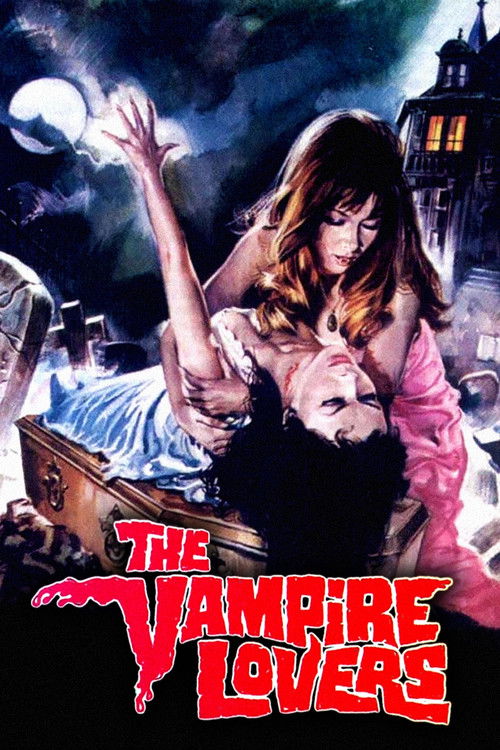
1970
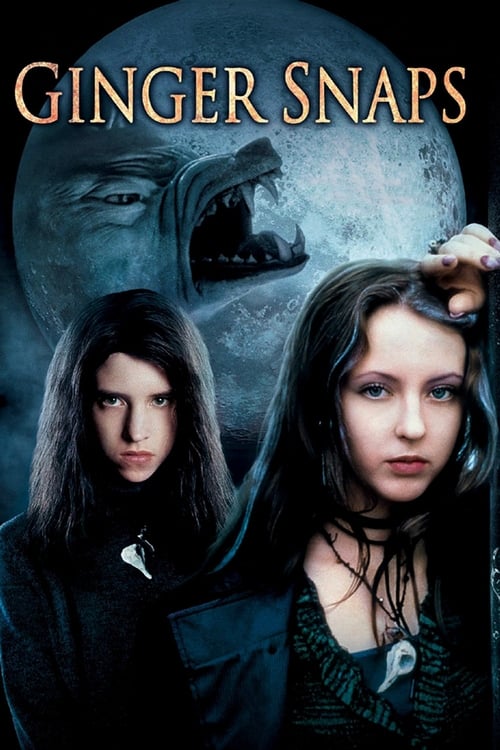
2000
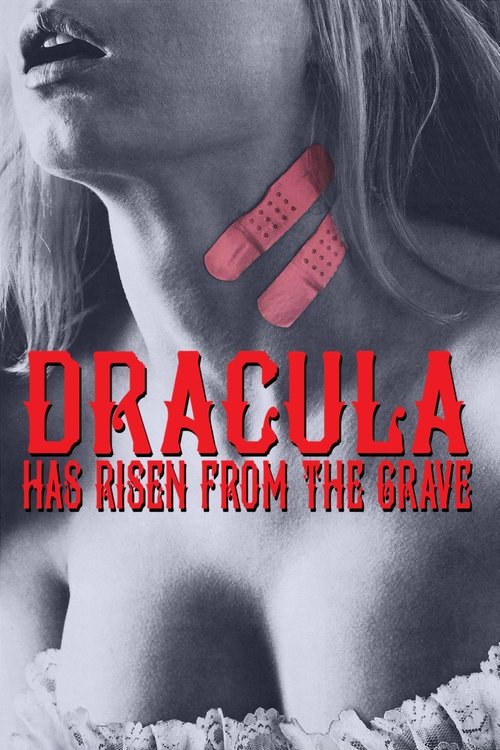
1968
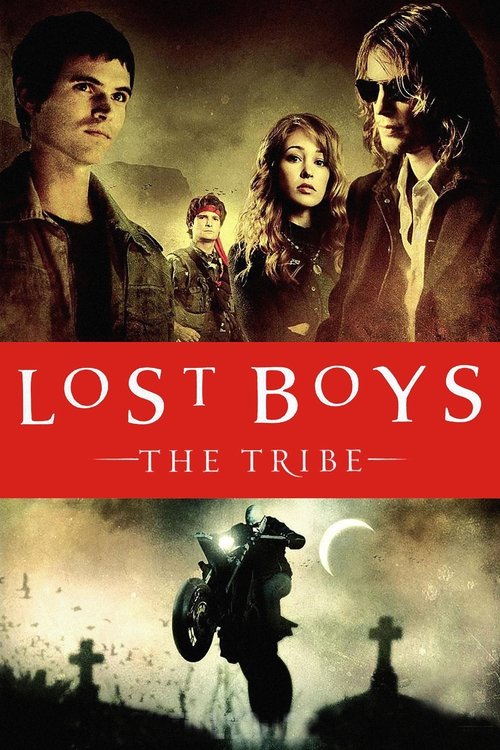
2008
1995
No reviews yet. Be the first to share your thoughts on this movie!
Use the rating form above to leave a star rating and optional review.