North on Evers
1992
No user ratings available yet
Representation score: 0.6 out of 10
Representation Score
Minimal
1997
Director
James Benning
Runtime
80 minutes
Average Rating
No ratings yetNew Showbiz Analysis
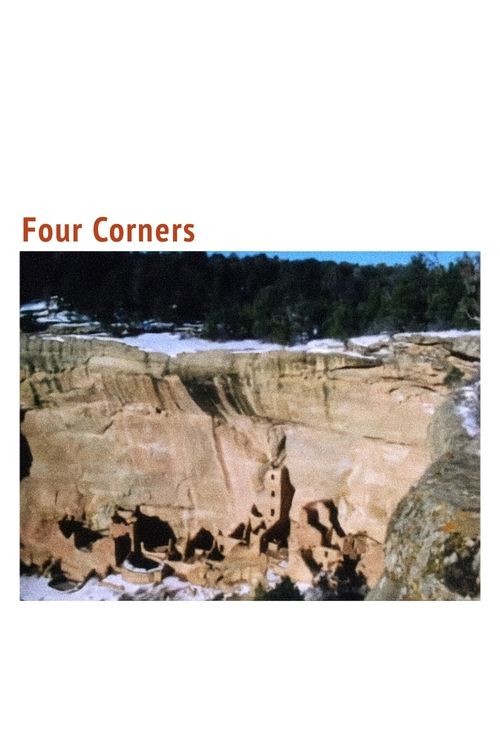
James Benning’s Four Corners is a formalist experiment that emphasizes the cinematic frame over social representation. By focusing on the environment and excluding characters, the film avoids stereotypical characterization but fails to provide multi-layered ability to act. Its value lies in challenging perceptions of place and ownership through a structuralist approach to the landscape.
Category Breakdown
The film features long, static shots of the American West with no human characters or dialogue, so LGBTQ+ identities are not shown.
The story focuses solely on the environment and architecture, with no characters or gendered social interactions to explore gender hierarchies.
There are no actors of color in the film, so direct representation of diverse racial backgrounds is missing. However, the film challenges Western myths through its deconstruction of geography.
Benning’s film implicitly critiques Western expansionism, offering a nuanced view of national identity through a slow, observational approach.
Since the film focuses on landscapes and architecture, there are no human subjects to depict disabilities or lived experiences.
Present on Screen
Limited or Absent
Official Synopsis
James Benning's "Four Corners" uses a specific geographical location to pose larger questions about the United States. Here, the geographic and wholly imaginary place Four Corners, that favorite tourist destination where Colorado, New Mexico, Arizona, and Utah meet, becomes a kind of theoretical ground zero, the site from which Benning can give voice to other, pointedly unofficial American stories.
1992

1983
1975
2008
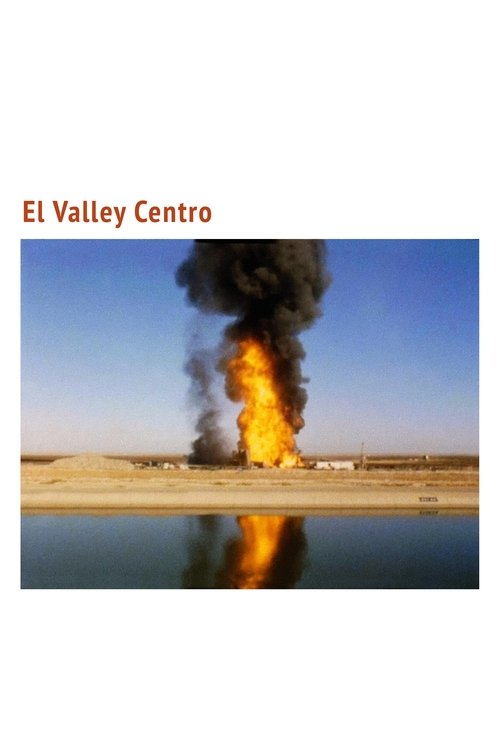
2000
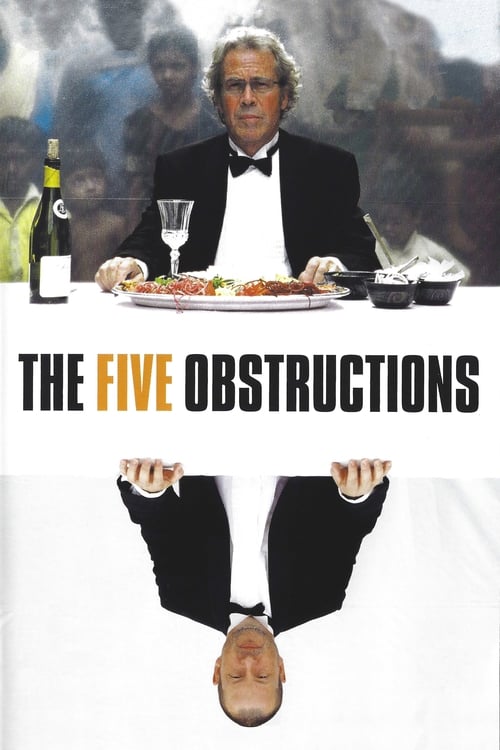
2003
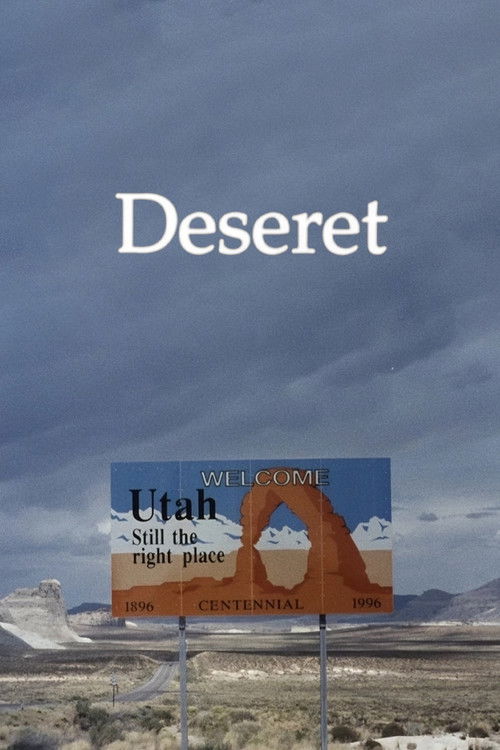
1995
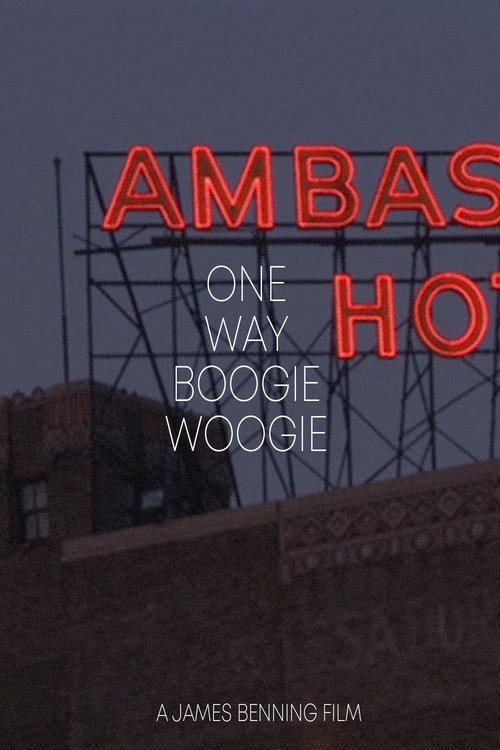
2012
No reviews yet. Be the first to share your thoughts on this movie!
Use the rating form above to leave a star rating and optional review.