North on Evers
1992
No user ratings available yet
Representation score: 0.6 out of 10
Representation Score
Minimal
1975
Director
James Benning, Bette Gordon
Runtime
27 minutes
Average Rating
No ratings yetNew Showbiz Analysis
James Benning and Bette Gordon use a structuralist approach that emphasizes spatial and temporal relationships over human interactions. By focusing on the American landscape, the film steers clear of traditional identity politics. While the lack of human actors means no direct representation of underrepresented groups, the film provides a sophisticated critique of the built environment. The visual documentation of industrialization serves as a non-verbal meditation on systemic structures and national myths.
Category Breakdown
The film focuses on landscapes and architecture, avoiding any portrayal of LGBTQ+ identities.
By eliminating human actors, the film avoids traditional gender hierarchies but also misses opportunities to challenge gender roles.
Without a human cast, the film documents industrial sites and highways, reflecting historical power structures and expansionism.
Through a formalist lens, the film critiques Western institutions using the post-industrial landscape to challenge the American Dream and capitalist expansion.
The film lacks any depiction of individuals, thus offering no representation of physical or neurodivergent identities.
Present on Screen
Limited or Absent
Official Synopsis
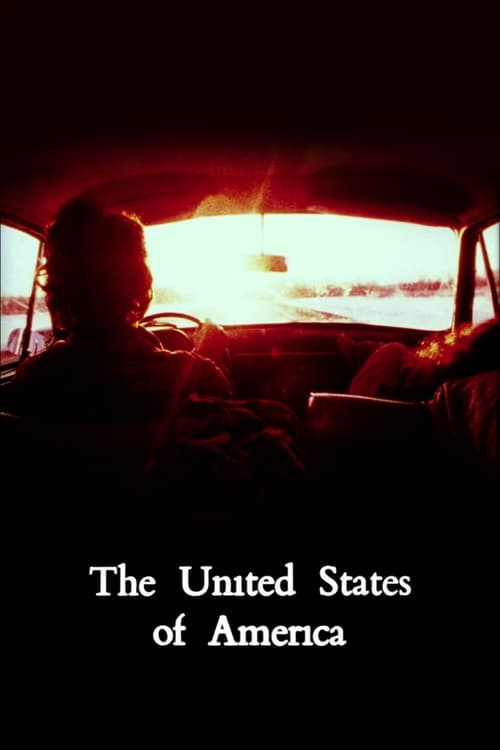
A conceptual bicentennial film dealing with spatial and temporal relationships between two travelers, their car, and the geographic, political, and social changes from NY to Los Angeles.
1992

1983
1997
2017
2007

2012

1982

1994
No reviews yet. Be the first to share your thoughts on this movie!
Use the rating form above to leave a star rating and optional review.