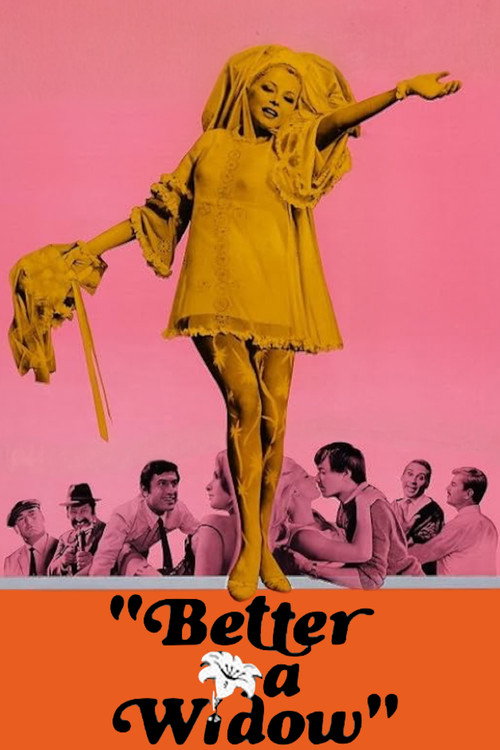
Better a Widow
1968
No user ratings available yet
Diversity score: 3.3 out of 10
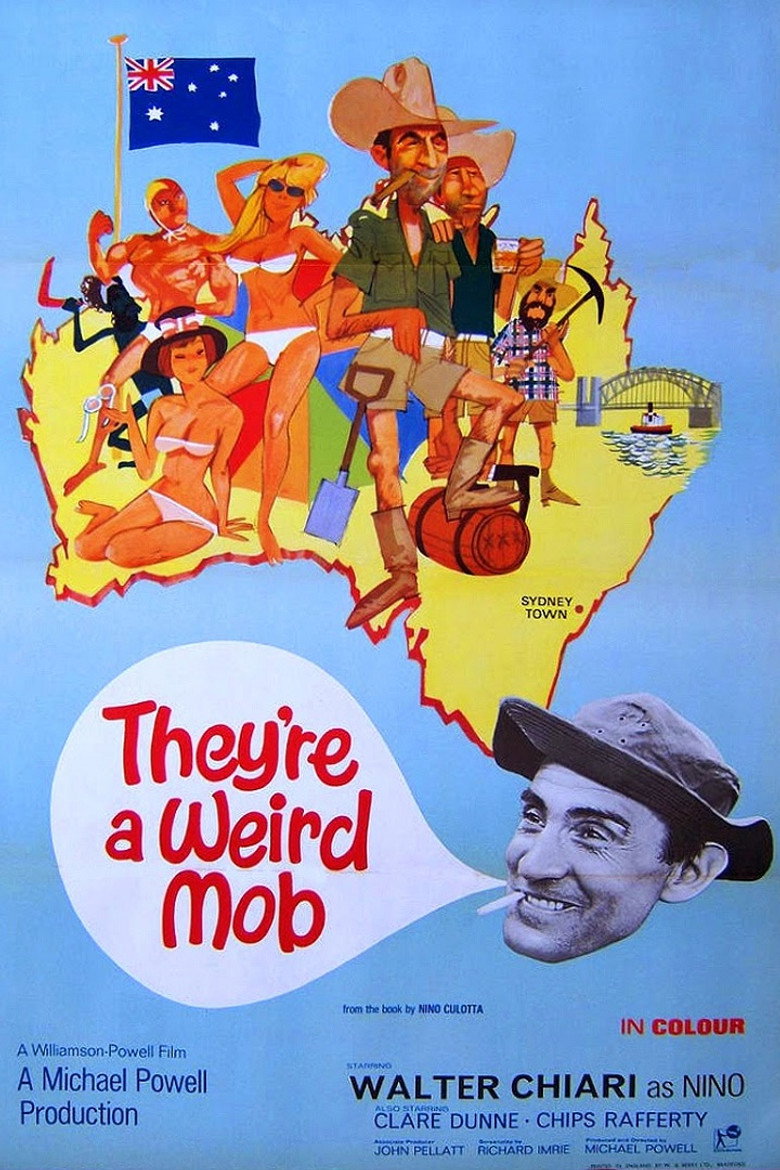
1966
Director
Michael Powell
Runtime
112 minutes
Average Rating
No ratings yetSynopsis
Nino Culotta is an Italian immigrant, newly arrived in Australia, and attempts to understand the aspirational values and social rituals of everyday urban Australians of the 1950s and '60s.... and assimilate.
Overall Score
Limited
Category Breakdown
LGBTQ+ Representation
The film adheres to the conventional social mores of 1966. It focuses on traditional romantic structures and offers no visible representation of non-cisnormative identities.
Gender Representation
The narrative centers on a masculine-coded social sphere of labor and mateship. Women occupy traditional domestic or romantic roles without subverting established gender hierarchies.
Racial & Ethnic Diversity
Diversity is limited to European and Anglo-Saxon cultural distinctions. The cast remains largely homogeneous, using the outsider's perspective as a comedic device rather than exploring racial dynamics.
Religious & Cultural Diversity
The story explores the tension between British formality and Australian egalitarianism. It celebrates social cohesion and the formation of a national identity through shared labor.
Disability Representation
There is no discernible representation of physical or neurodivergent disabilities. Characters are depicted through the lens of able-bodied working-class archetypes.
Strengths
Areas for Improvement
AI Analysis
Michael Powell’s comedy explores the friction between European social norms and emerging Australian egalitarianism. While it successfully challenges class-based formalities through the concept of 'mateship,' the film remains firmly rooted in mid-century cinematic conventions. The narrative prioritizes national identity and cultural temperament over intersectional depth. It functions as a lighthearted observation of cultural clashes rather than a systemic critique of social structures. Ultimately, the film lacks the complexity of modern character development, focusing instead on the integration of an outsider into a traditional, homogeneous social fabric.
1968
1966
2009
1971

2017

1985
1964

1958
1950

1971
1984
1977
No reviews yet. Be the first to share your thoughts on this movie!
Use the rating form above to leave a star rating and optional review.