
Dangerous When Wet
1953
No user ratings available yet
Representation score: 0.8 out of 10
Representation Score
Minimal
1953
NRDirector
Charles Walters
Runtime
96 minutes
Average Rating
No ratings yetNew Showbiz Analysis
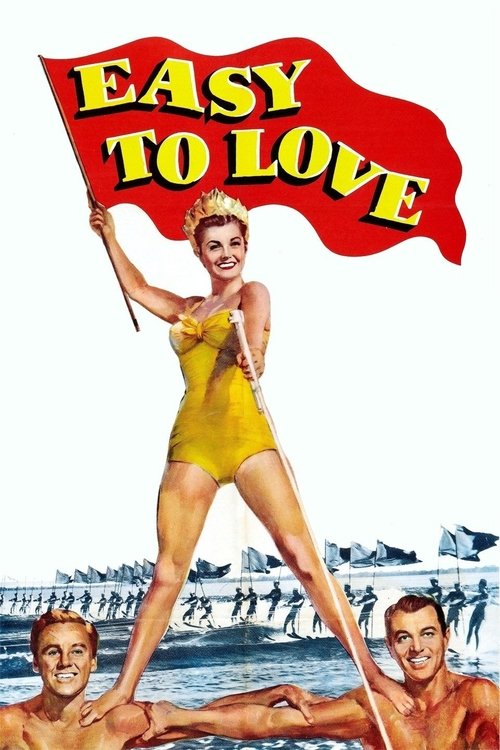
Easy to Love is a classic example of mid-century Hollywood filmmaking. It reinforces traditional social norms through conventional romantic storylines and established cultural standards. The film's structure supports existing social hierarchies and racial uniformity, avoiding any subversive elements. The narrative is crafted to maintain the status quo, focusing on standard gender roles and a homogeneous cast that reflects the era's cultural norms.
Category Breakdown
The film follows traditional heterosexual relationships and does not include any non-binary gender identities or same-sex relationships.
The story centers around romantic pursuits between male and female leads. The female lead’s role is largely defined by her romantic availability and societal expectations.
The casting is mostly white and uniform, reflecting the early 1950s MGM studio model. Characters of color are notably absent from key roles.
The film upholds traditional small-town values and courtship customs without challenging Western social structures or institutions.
There are no characters with visible or invisible disabilities, and the narrative does not address neurodivergence or physical disabilities.
Present on Screen
Limited or Absent
Official Synopsis
Two men vie for the heart of a Cypress Gardens swimming star.
1953
1937
1955
1951
1951
1954
1949
1948
No reviews yet. Be the first to share your thoughts on this movie!
Use the rating form above to leave a star rating and optional review.