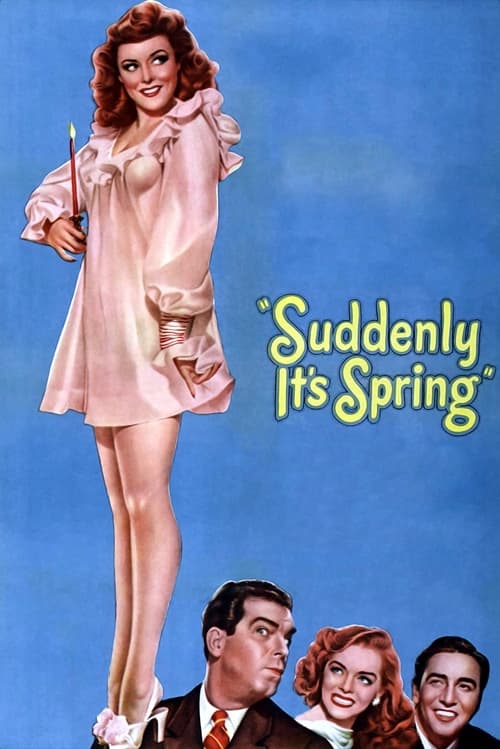
Suddenly It's Spring
1947
No user ratings available yet
Representation score: 0.4 out of 10
Representation Score
Minimal
1946
NRDirector
Willis Goldbeck
Runtime
93 minutes
Average Rating
No ratings yetNew Showbiz Analysis
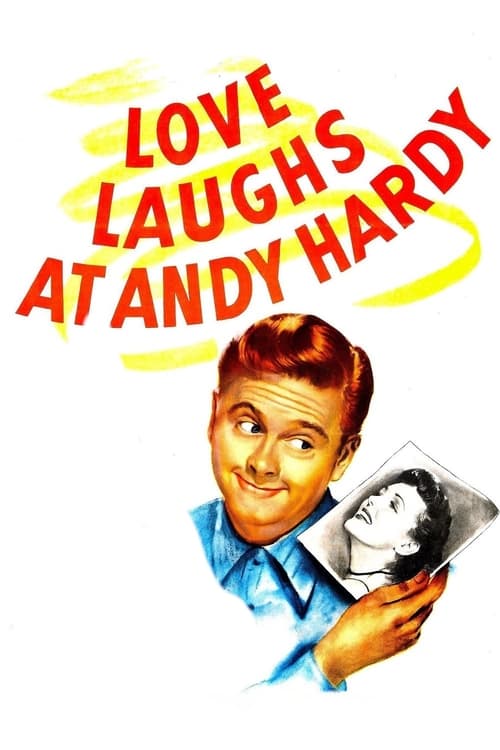
Love Laughs at Andy Hardy is a classic product of the mid-century Hollywood studio system. It prioritizes commercial success by reinforcing established social norms and traditional values. The film lacks diversity, focusing on a singular cultural perspective. By emphasizing patriarchal authority and domestic stability, it avoids critiquing the social norms of its time. Ultimately, the work serves as a morale-boosting narrative that preserves mid-century hierarchies without challenging them.
Category Breakdown
The film adheres to the assumption that everyone is straight or cisgender. There is no depiction of non-traditional gender identities or same-sex relationships.
The narrative emphasizes mid-century gender roles where women primarily serve as romantic interests or domestic caretakers rather than as active professionals or intellectuals.
The casting is uniform, reflecting a predominantly white, middle-class American experience. The social setting lacks diverse ethnic or racial backgrounds.
The story upholds mid-century Western ideals and the stability of the nuclear family. It promotes respect for legal authority and community standards.
There is no portrayal of visible or invisible disabilities. Characters are shown within a typical range of physical and cognitive abilities.
Present on Screen
Limited or Absent
Official Synopsis
Andy Hardy goes to college after serving in the war and finds his sweetheart is engaged to someone else.
1947
1944
1947
1949

1941
1940

1938
1938
No reviews yet. Be the first to share your thoughts on this movie!
Use the rating form above to leave a star rating and optional review.