Vienna Blood
1942
No user ratings available yet
Representation score: 2.5 out of 10
Representation Score
Minimal
1943
Director
Paul Martin
Runtime
96 minutes
Average Rating
No ratings yetNew Showbiz Analysis
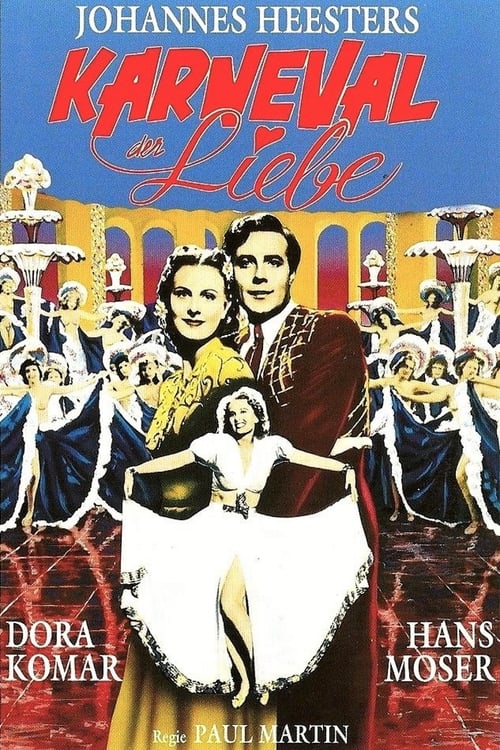
Produced during the UFA studio era in 1943, Karneval der Liebe functions as pure escapist entertainment. The film is designed to provide distraction through spectacle and romance rather than engaging in any form of social commentary or character-driven subversion. The narrative structure reinforces the status quo of its era. It adheres to rigid social hierarchies and lacks the complexity of storytelling that reflects multiple aspects of identity, offering a highly homogenized viewing experience. Ultimately, the film serves as a baseline for the traditional, homogeneous storytelling characteristic of mid-20th-century German cinema under strict socio-political constraints.
Category Breakdown
The film does not depict any non-straight relationships or same-sex dynamics. Romantic storylines follow traditional courtship models.
Narrative ability to act depends on established gender hierarchies. Female characters mainly serve as objects of affection or comedic relief within a conventional courtship structure.
The film lacks racial or ethnic diversity. The cast reflects the homogeneous racial makeup expected by the contemporary film industry.
The film presents an idealized version of community and tradition. It avoids themes of moral relativism or any critique of prevailing social institutions.
There are no visible or invisible disabilities shown. Characters are depicted as a standardized, able-bodied group for the musical performance.
Present on Screen
Limited or Absent
Official Synopsis
Tenor Peter Hansen is about to marry for the second time. Just minutes before his wedding to dancer and singer Kitty, he's still busy rehearsing for a new revue directed by Melchior Oberländer. Kitty's uncle Meierhofer, a prompter at the theater, is urging him to leave. However, Melchior is informed that his newly hired female star, Marina Garden, has arrived. She is to sing duets with Peter during an upcoming engagement in Cologne. Marina Garden turns out to be Peter's ex-wife, who has adopted a stage name.
1942

1935
1943
1943

1934
1952
1933
1936
No reviews yet. Be the first to share your thoughts on this movie!
Use the rating form above to leave a star rating and optional review.