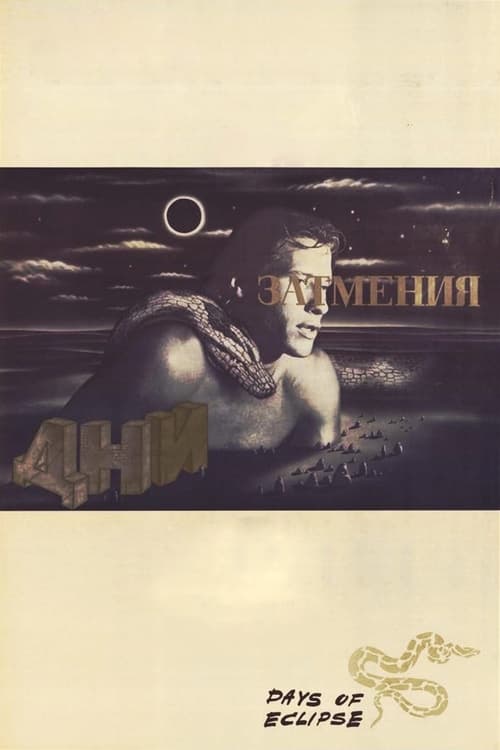
Days of Eclipse
1988
No user ratings available yet
Representation score: 5.6 out of 10
Representation Score
Fair
1976
Director
Laila Mikkelsen
Runtime
86 minutes
Average Rating
No ratings yetNew Showbiz Analysis
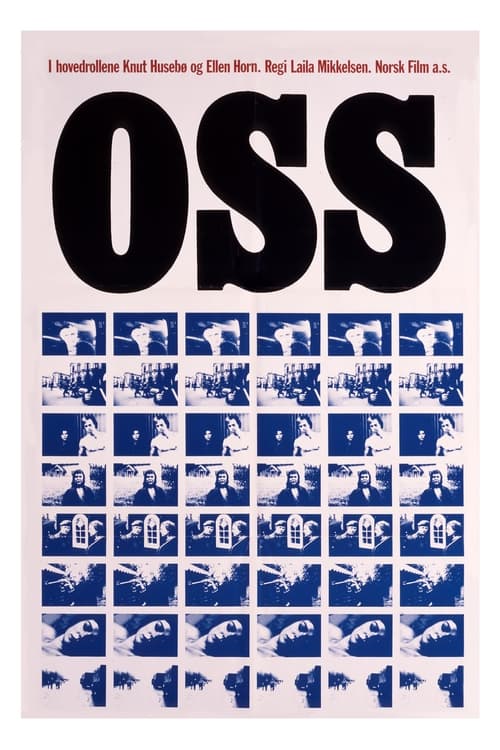
Oss is a socio-political critique that prioritizes systemic collapse over individual identity politics. It succeeds as a cultural commentary by deconstructing the perceived competence of Western state institutions and the stability of the social contract. However, the film lacks depth in representing diverse racial or queer perspectives. The narrative focus remains narrow, centering on a homogeneous Norwegian population and a central heterosexual partnership. Ultimately, the film's impact lies in its thematic architecture, which studies how economic scarcity and state aggression dismantle established social orders.
Category Breakdown
The story focuses on the partnership between Thomas and Vera, with no explicit mention of non-straight relationships or same-sex intimacy.
The film places characters in a survivalist context, disrupting traditional hierarchies. Vera and Thomas face unemployment and state aggression together, highlighting shared vulnerability.
The story centers on a localized crisis within Norway, focusing on a homogeneous population. The narrative emphasizes class struggle rather than multi-ethnic diversity.
The film sharply criticizes capitalist stability and state institutions. It portrays the government as untrustworthy and the military as a force of confiscation.
There is no information available regarding the presence of characters with visible or invisible disabilities.
Present on Screen
Limited or Absent
Official Synopsis
Following political upheaval, traditionally poor countries have stopped exporting raw materials. The Western world is entering an economic crisis, which is rapidly spreading to Norway. Unemployment rises sharply, and it becomes more difficult to obtain food. The government does not officially acknowledge the crisis, but fear spreads among the population. Demonstrations between the population and the police are now a daily occurrence. Thomas and Vera are also unemployed. The only way out of their predicament is to move out of the city and rent an abandoned farm. The sale of food is banned. Military forces arrive to confiscate what little they have. Later, the city population follows, traveling to the countryside in panic to secure something to eat.
1988
1962

2017

1957
1977

1994
2005

1973
No reviews yet. Be the first to share your thoughts on this movie!
Use the rating form above to leave a star rating and optional review.