The Zero Years
2005
No user ratings available yet
Representation score: 8.2 out of 10
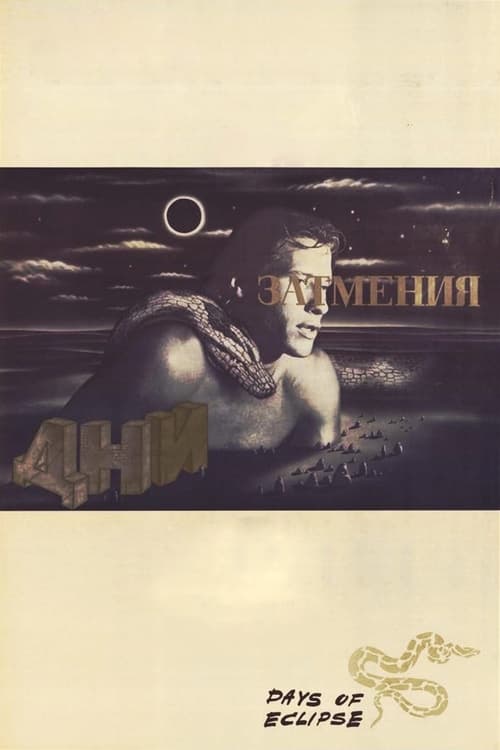
Representation Score
Fair
1988
Director
Aleksandr Sokurov
Runtime
139 minutes
Average Rating
No ratings yetNew Showbiz Analysis
Sokurov’s film excels in its portrayal of ethnic diversity and the way different identities intersect. By depicting a landscape of displaced people, it critiques systemic homogenization. However, the film lacks specific representation of LGBTQ+ identities and disability narratives. Its focus is intensely internal and metaphysical, limiting the visibility of specific underrepresented groups. Ultimately, the work succeeds as a critique of institutional authority and social stability, offering a nuanced view of human displacement through a multi-ethnic lens.
Category Breakdown
The film centers on the protagonist's inner struggles and psychological isolation. It does not include explicit LGBTQ+ identities or narratives that challenge assumptions about straight relationships.
Gender hierarchies are challenged through abstract poetic expression rather than traditional power structures. The film highlights shared existential vulnerabilities among both male and female characters.
The setting showcases a diverse mix of ethnicities displaced by government-enforced relocations. These identities play crucial, tragic roles in the social reality.
The narrative emphasizes metaphysical exploration over organized religion or state-imposed doctrines. It critiques institutional forces that shape human movement and identity.
There is no significant depiction of physical or neurodivergent disabilities. The focus remains on universal existential suffering.
Present on Screen
Limited or Absent
Official Synopsis
This bleak late soviet-era drama follows the career of Malyanov, a young medical school graduate who has been sent to work in Turkmenia. Here he runs into a hodge-podge of people of differing ethnicities, all of them victims of the government's earlier mania for relocating and eliminating whole ethnic groups and classes of people. These desperately unhappy people are unable to find any pleasure in this diverse companionship, but instead are antagonistic to it, and often resort to desperate measures in their doomed attempts to ease their pain.
2005
2011
1976

1964

2015

1989
1981

2021
No reviews yet. Be the first to share your thoughts on this movie!
Use the rating form above to leave a star rating and optional review.