
Immigration Game
2017
No user ratings available yet
Representation score: 6.4 out of 10
Representation Score
Good
2018
Director
Kai Wessel
Runtime
88 minutes
Average Rating
No ratings yetNew Showbiz Analysis
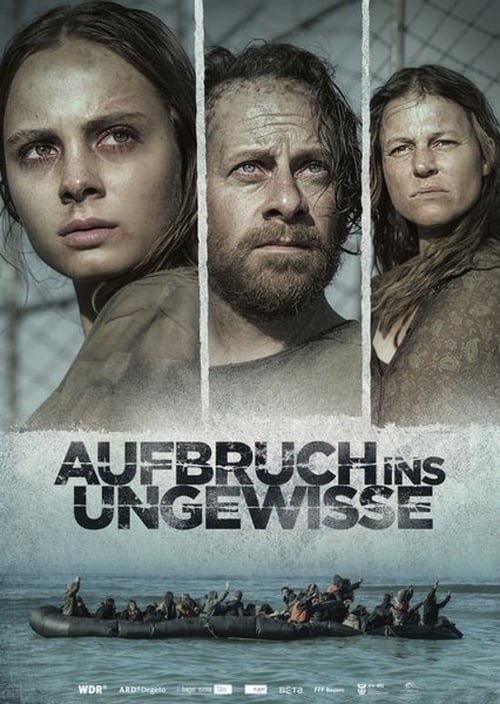
Break-Out to the Unknown functions as a sociopolitical thriller that uses a dystopian future to critique contemporary anxieties. It avoids including someone from a minority group without giving them real depth by making the persecution of underrepresented identities the primary driver of the plot and the protagonist's survival instincts. However, the film relies on somewhat traditional gender roles, with the male protagonist serving as the central protector and decision-maker.
Category Breakdown
The film focuses on the systemic persecution of homosexual individuals. By making LGBTQ+ rights a key part of the totalitarian regime's aggression, the narrative gives these identities significant weight and importance.
The story examines traditional family dynamics under extreme conditions. While Jan Schneider acts as the primary decision-maker, Sarah faces heavy burdens while navigating the chaos of displacement.
The narrative uses a refugee journey to explore overlapping vulnerabilities. By grouping the protagonists with other displaced populations, the film avoids a purely homogeneous European perspective.
The film offers a sharp critique of nationalism and right-wing extremism. It challenges Western-centric notions of security by portraying the established European order as oppressive and totalitarian.
There is no explicit evidence regarding the portrayal of physical or neurodivergent disabilities within the narrative.
Present on Screen
Limited or Absent
Official Synopsis
In the near future: Europe is in chaos. Right-wing extremists have taken power in many countries. The democratic state that once was Germany has become a totalitarian system that persecutes dissenters, Muslims and homosexuals. Jan Schneider has stood as a lawyer on the side of dispossessed victims. When he learns that the regime wants to jail him again, he decides to flee with his family. His goal is the South African Union, which enjoys political and economic stability after an economic boom. A freighter is to bring him, his wife Sarah and the two children Nora and Nick together with other refugees to Cape Town, but the tugs abandon their passengers in much too small boats off the coast of Namibia. On rough seas, it comes to disaster, the little Nick is lost, and no one knows if he could reach the shore...
2017

2018

2025

2023

2016
2015

2016

2018
No reviews yet. Be the first to share your thoughts on this movie!
Use the rating form above to leave a star rating and optional review.