Corn
2004
No user ratings available yet
Representation score: 8.2 out of 10
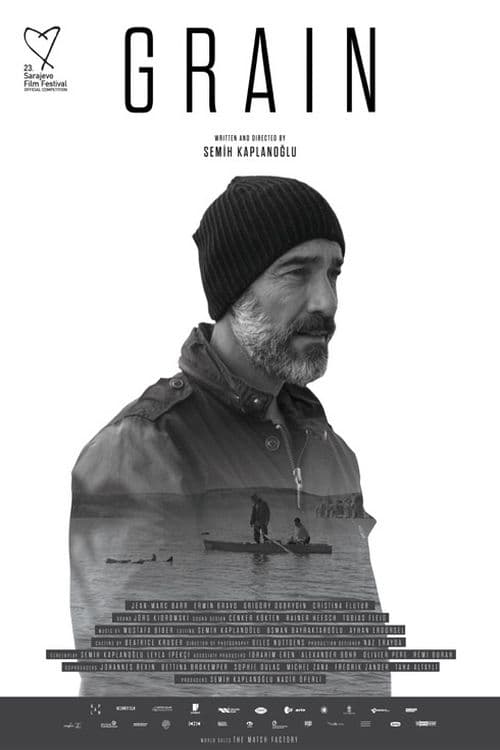
Representation Score
Fair
2017
Director
Semih Kaplanoğlu
Runtime
127 minutes
Average Rating
No ratings yetNew Showbiz Analysis
Buğday is a contemplative drama that prioritizes metaphysical questions and ecological concerns over identity-focused storytelling. Its strength lies in its slow-paced aesthetic and its critique of capitalist dominance through the lens of a genetic crisis. However, the film lacks diversity in terms of social representation. The narrative remains rooted in traditional patriarchal structures and a localized, homogeneous demographic that doesn't challenge conventional social identities. Ultimately, the film serves as a philosophical exploration of man versus nature and corporate power, rather than a platform for diverse social representation.
Category Breakdown
The film doesn't include any LGBTQ+ characters or stories. It focuses on traditional family structures and individual grief, without engaging with non-straight or non-cisgender identities.
The story mainly revolves around male perspectives of grief and community roles. Women are mostly defined by their absence, serving as a plot catalyst rather than having active roles.
The film sets itself in a genuine, local Turkish environment. Though the cast is uniform within its rural context, it maintains a commitment to poetic realism.
The story critiques corporate-controlled biological monopolies. It emphasizes the relationship between humanity and the natural world over industrial progress.
The film does not focus on physical or neurological disabilities. Psychological struggles are portrayed as a universal human experience rather than a specific exploration of disability.
Present on Screen
Limited or Absent
Official Synopsis
The global corporations have established cities and agricultural zones in areas where the climate is relatively good. These cities are populated by the elites, while the immigrant masses struggle with hunger and epidemics. For unknown reasons, the city’s agricultural plantations have been hit by a genetic crisis - and, as a result, by massive crop failure. Professor Erol Erin, a seed genetics specialist learns of Cemil Akman, a fellow scientist. Apparently, Cemil wrote a thesis about the recurrent crisis affecting genetically modified seeds - but the work was banned by the corporation..
2004

1986
2024

2014
2005

1973
1976
2015
No reviews yet. Be the first to share your thoughts on this movie!
Use the rating form above to leave a star rating and optional review.