The Children of Noisy Village
1986
No user ratings available yet
Representation score: 4.0 out of 10
Representation Score
Limited
2013
Director
Per Åhlin, Lasse Persson, Alicja Jaworski
Runtime
60 minutes
Average Rating
No ratings yetNew Showbiz Analysis
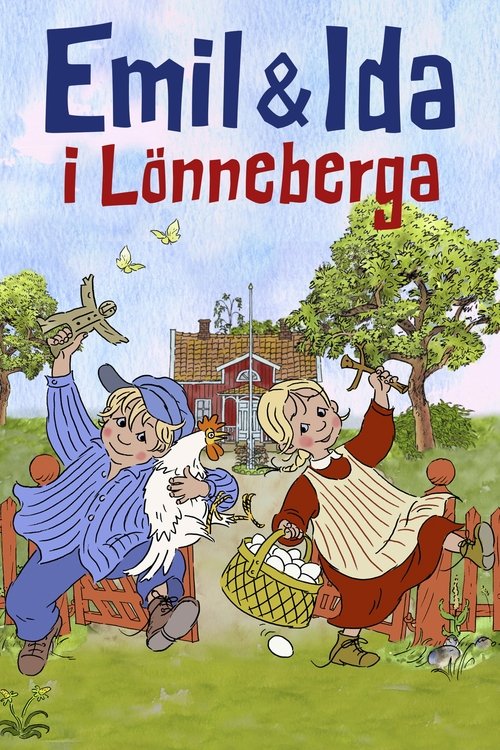
This adaptation of Astrid Lindgren’s work is a traditional period drama that adheres closely to the social norms of early 20th-century Sweden. While Emil’s character explores themes of childhood autonomy and creativity, the overall narrative upholds the era’s social structures. The lack of LGBTQ+ characters, diverse racial backgrounds, or disabilities reflects the homogeneous nature of the historical setting. Emil’s actions provide a contrast to traditional gender roles, but the portrayal of Ida and the focus on agrarian life reinforce conventional societal norms.
Category Breakdown
The film does not include any LGBTQ+ characters or non-cisgender identities. The story centers on traditional family structures set in a rural, early 20th-century context.
Emil challenges traditional gender norms through his mischievous behavior, while Ida is portrayed as overly compliant, reinforcing conventional feminine roles.
The film depicts a predominantly white, agrarian society typical of early 20th-century rural Sweden. There is no diversity in the cast beyond this Eurocentric scope.
The story highlights a traditional view of rural life, emphasizing the importance of family and social order.
There is no depiction or mention of physical, neurodivergent, or mental health disabilities in the film.
Present on Screen
Limited or Absent
Official Synopsis
‘E-e-emil!’ shouts father across the small farm in Katthult, the boy is up to his old tricks and will have to be banished to the woodshed. Except that Emil doesn’t see this as punishment – on the contrary: he locks the door from inside so that he can continue undisturbed to carve another of his wooden figures, of which he has a whole collection. His little sister Ida also wants to sit inside the shed, but she’s too well-behaved. This new adaptation of Astrid Lindgren’s beloved tales from her book ‘Emil of Lönneberga’ portrays the sunny side of life in the country at the beginning of the twentieth century.
1986
1970
1971
1969
1987
1967
2018
1990
No reviews yet. Be the first to share your thoughts on this movie!
Use the rating form above to leave a star rating and optional review.