After Spring
1986
No user ratings available yet
Representation score: 2.7 out of 10
Representation Score
Minimal
1967
GDirector
Kjell Grede
Runtime
82 minutes
Average Rating
No ratings yetNew Showbiz Analysis
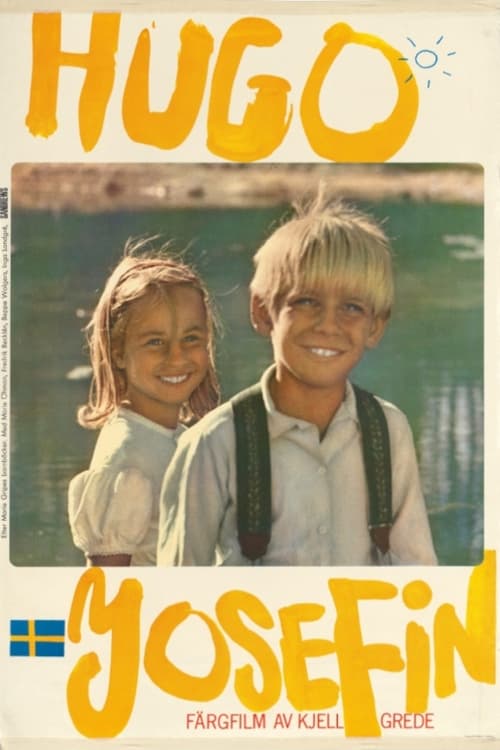
Hugo and Josephine is a period piece reflecting the demographics and social structures of 1960s rural Europe. It emphasizes a coming-of-age friendship rather than exploring systemic power dynamics or multi-layered identities. The film provides an authentic glimpse into mid-century childhood but doesn't disrupt traditional hierarchies. Its storytelling style is naturalistic and typical of the era. While the female lead adds some visibility, the film lacks the complexity needed for a higher diversity rating.
Category Breakdown
The film doesn't include any LGBTQ+ characters or stories about non-assuming gender matches what was assigned at birth identities. The plot centers around a childhood friendship in a traditional rural setting.
Josefin is the main female character, offering visibility for a young girl. However, the film doesn't explicitly challenge traditional gender roles.
Set in a rural 1967 Scandinavian landscape, the film depicts a homogeneous society. There are no multi-ethnic characters or diverse ethnic backgrounds shown.
The story includes a priest, and Hugo shows some tension with formal education. Overall, the film follows a traditional moral framework.
The film does not portray any visible or invisible disabilities. None of the characters have physical impairments or neurodivergent traits.
Present on Screen
Limited or Absent
Official Synopsis
Josefin is a six year old girl who lives isolated in the countryside, where her father is a priest. She has no friends until she meets Hugo. He is a carefree boy who'd rather walk in the forest than go to school. Together with the gardener, they make up fun things to do.
1986
1970
1968
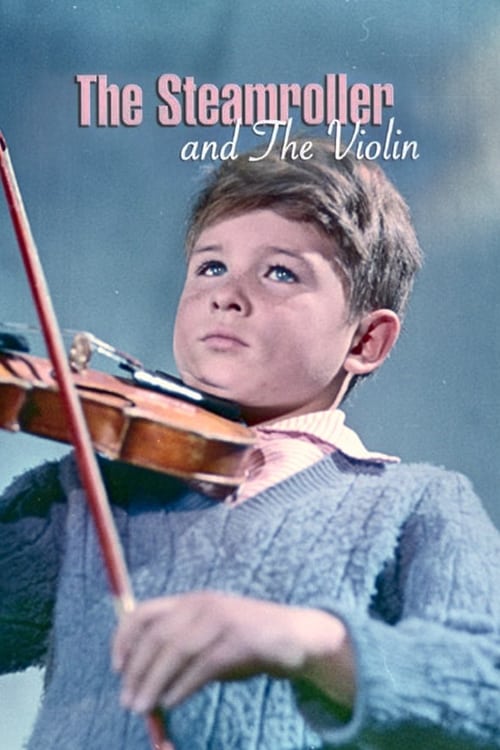
1961
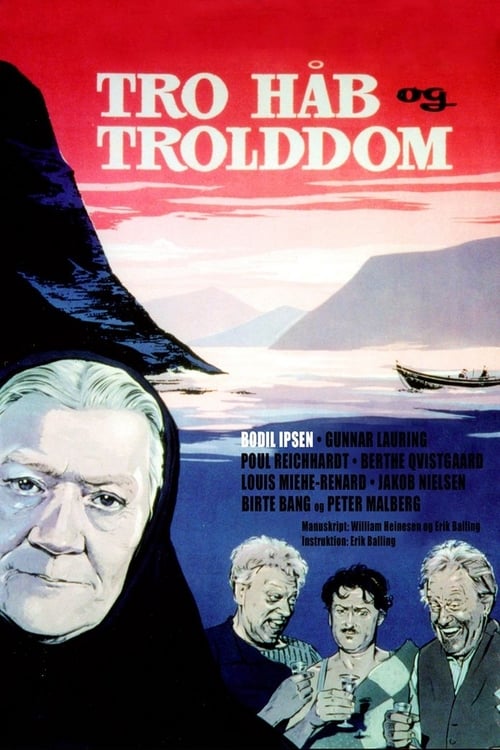
1960
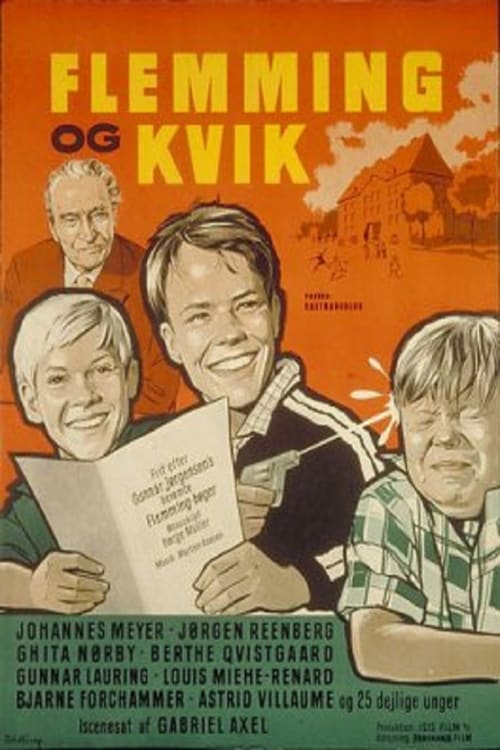
1960
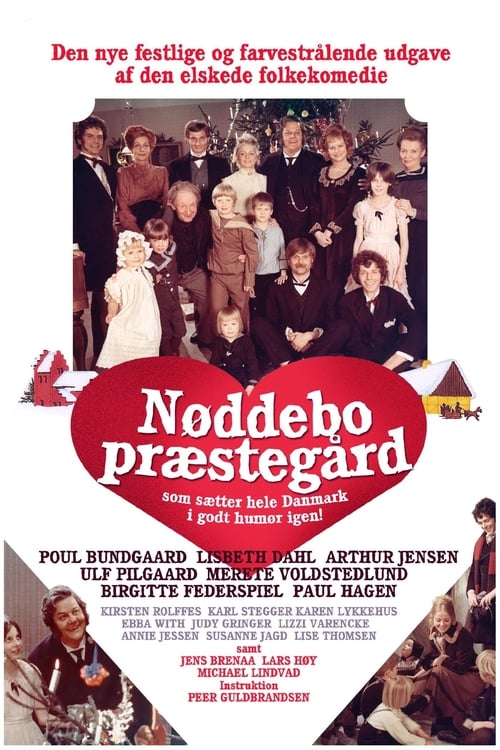
1974

1955
No reviews yet. Be the first to share your thoughts on this movie!
Use the rating form above to leave a star rating and optional review.