The Poet
2007
No user ratings available yet
Representation score: 5.4 out of 10
Representation Score
Fair
2019
UnratedDirector
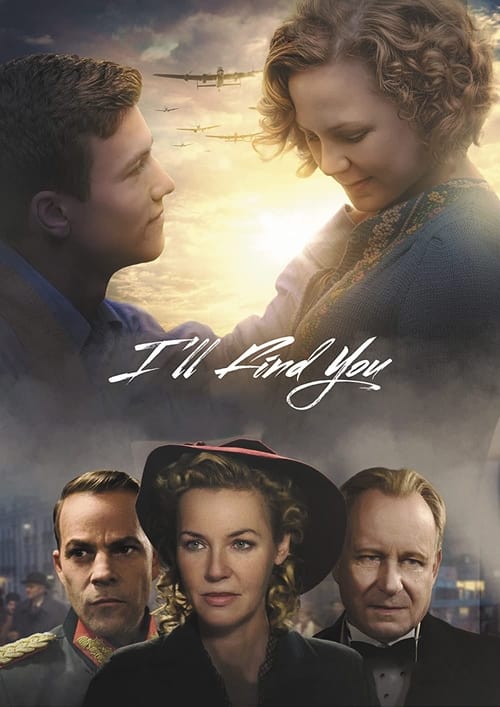
Martha Coolidge
Runtime
115 minutes
Average Rating
No ratings yetNew Showbiz Analysis
I'll Find You succeeds in making ethnic identity a central narrative pillar. By focusing on the Jewish-Polish experience, the film provides a nuanced look at how systemic persecution affects personal lives and artistic aspirations. While the film excels in racial and ethnic depth, it remains tied to traditional romantic and gendered structures. The male protagonist carries the weight of the plot's progression, even as the female lead is granted professional expertise. Ultimately, the film is a meaningful historical drama that uses the intersection of religion and ethnicity to drive its emotional stakes, despite a lack of diversity in other areas.
Category Breakdown
The story focuses on a heterosexual relationship between Robert and Rachel. There are no queer narratives or non-cisgender identities presented in this historical setting.
Rachel is shown as a highly skilled violinist with significant professional influence. However, the plot's main thrust is driven by the male protagonist's journey.
The film delves deeply into the Jewish-Polish experience during the Holocaust. It avoids including someone from a minority group without giving them real depth by highlighting Rachel's identity amid systemic ethnic persecution.
The plot examines the tension between Catholic and Jewish identities under Nazi oppression. It critiques state corruption through the lens of religious and cultural survival.
The narrative does not include characters navigating physical, sensory, or neurodivergent disabilities.
Present on Screen
Limited or Absent
Official Synopsis
Inspired by stories of Polish musicians from the 1930s and 40s. Two young lovers, Robert, a Catholic opera singer, and Rachel, a Jewish violin virtuoso, dream of one day performing together at legendary Carnegie Hall. When they're torn apart by the German invasion of Poland, Robert vows to find Rachel, no matter what the war may bring. His search leads him on a life-threatening journey through the heart of Nazi Germany, to a reckoning that Rachel may be lost to him forever.
2007
2019

2011

1980
2015

2018

2021

2017
No reviews yet. Be the first to share your thoughts on this movie!
Use the rating form above to leave a star rating and optional review.