
Friends Forever
2012
No user ratings available yet
Representation score: 2.4 out of 10
Representation Score
Fair
2015
Director
Manousos Manousakis
Runtime
112 minutes
Average Rating
No ratings yetNew Showbiz Analysis
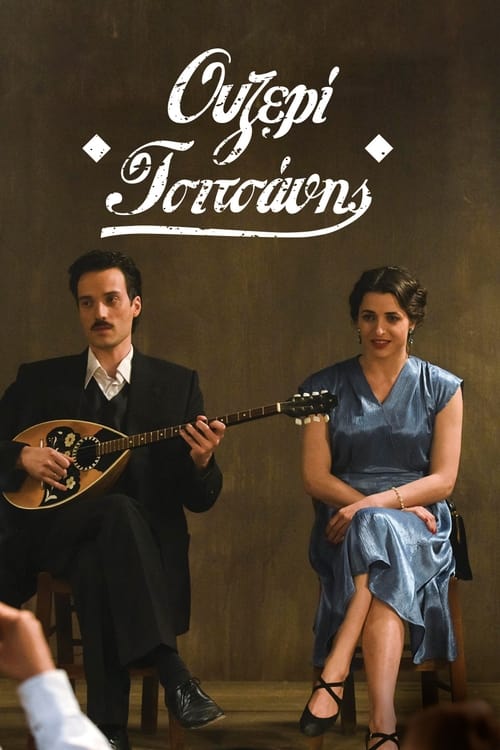
Ouzeri Tsitsanis uses the backdrop of World War II to explore overlapping ethnic barriers. It moves beyond simple military conflict to focus on the friction between ethnic identities during the German occupation. The film's primary strength is its inclusion of the Jewish experience within a Greek historical narrative. This challenges traditional boundaries of national identity and social cohesion. However, the film remains limited by a lack of LGBTQ+ representation and no visible engagement with disability themes.
Category Breakdown
The film does not include any explicitly LGBTQ+ characters or non-binary identities. The story focuses on heterosexual relationships within a wartime context.
The story centers on a romantic struggle between a male and female protagonist. The female lead actively navigates a forbidden love, suggesting a move away from passive female roles.
The film shows intentional efforts to highlight ethnic diversity. It disrupts nationalistic homogeneity by centering a romance between a Greek Christian and a Jewish woman.
The narrative critiques systemic oppression and institutionalized prejudice. The communal setting of the ouzeria provides a backdrop for navigating complex social and religious dynamics.
There is no mention of characters with visible or invisible disabilities in the narrative.
Present on Screen
Limited or Absent
Official Synopsis
During World War II in Greece, under the submission of Germans, one Christian, Giorgos, falls in love with a Jewish, Estrea, something completely forbidden. Can they and their families overcome all the obstacles, along with racial discriminations and hardship? The story mainly takes place in an ouzeria, in which Tsitsanis works, one of the greatest Greek composer, librettist and singer in the 20th century.
2012
1980

1988

2004
1964
2018

2011

1997
No reviews yet. Be the first to share your thoughts on this movie!
Use the rating form above to leave a star rating and optional review.