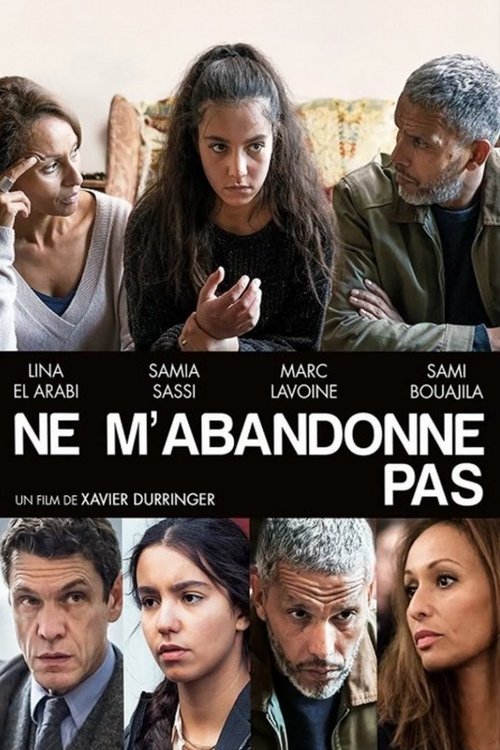
Don't Leave Me!
2016
No user ratings available yet
Representation score: 5.4 out of 10

Representation Score
Good
2016
Director
Rachid Bouchareb
Runtime
100 minutes
Average Rating
No ratings yetNew Showbiz Analysis
Road to Istanbul is a significant work that challenges conventional cinematic expectations regarding the refugee crisis. It utilizes a post-colonial framework to challenge traditional European-centric hierarchies. The film's primary strength lies in its sophisticated engagement with systemic identity politics and the deconstruction of border-state authority. By centering the ability to act of displaced persons, it provides a vital perspective on global migration. However, the narrative lacks specific focus on LGBTQ+ or disability-specific stories. These omissions limit its breadth of representation.
Category Breakdown
The film focuses on geopolitical displacement and refugee survival. There is no significant presence of non-traditional gender identities or narratives addressing sexual orientation.
Women are depicted navigating high-stakes, perilous environments rather than being relegated to passive roles. This provides a nuanced view of women's ability to drive the story within a crisis context.
The film excels with a multicultural cast centering North African and Middle Eastern ethnicities. It effectively shifts the perspective away from the traditional Western gaze.
The narrative offers a post-colonial critique of Western authority and border bureaucracies. It frames the refugee experience as a critique of modern state humanitarian failures.
The story depicts the physical exhaustion of migration but lacks characters with visible or invisible disabilities. No specialized narrative arcs are afforded to neurodivergent or disabled individuals.
Present on Screen
Limited or Absent
Official Synopsis
Elisabeth lives a quiet live in the Belgian countryside with her young adult daughter Elodie. After the divorce from her husband Elisabeth took care of her daughter on her own. When Elodie disappears over night and Elisabeth discovers that she travelled to Syria to join the Islamic State, she begins her journey to find her daughter.
2016
2019
2018
2024

2017
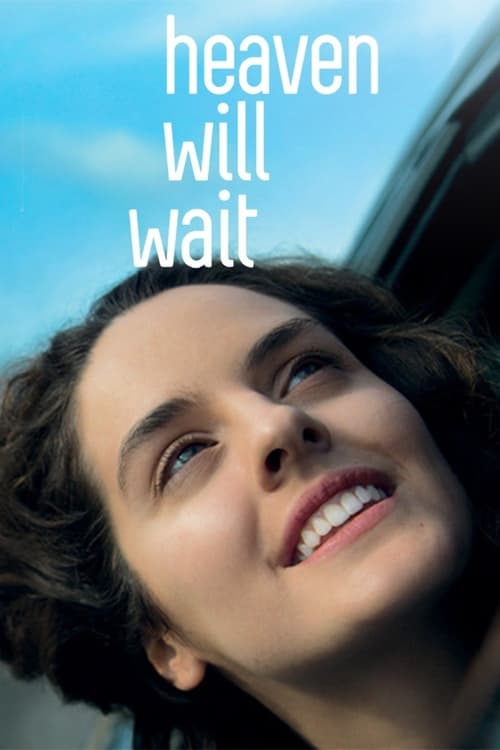
2016
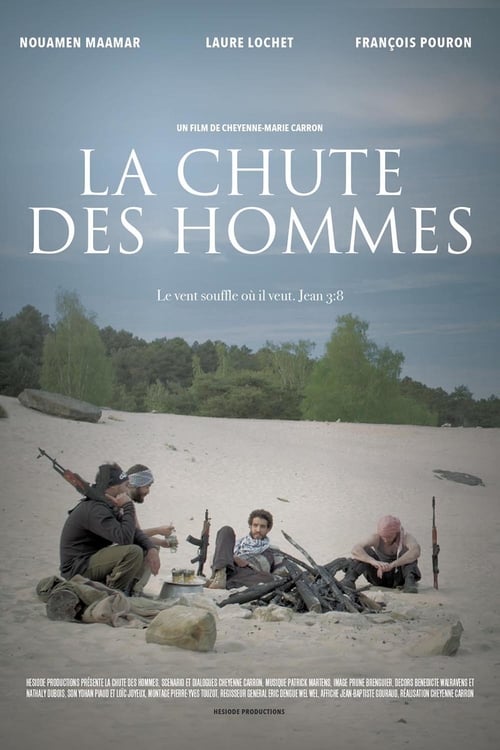
2016
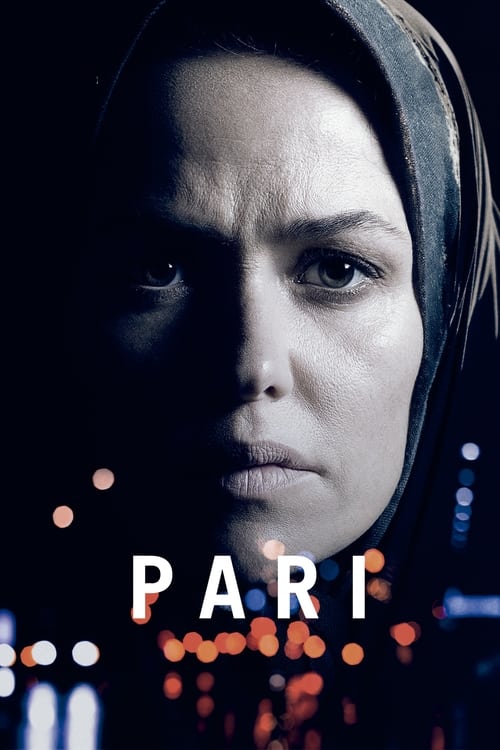
2020
No reviews yet. Be the first to share your thoughts on this movie!
Use the rating form above to leave a star rating and optional review.