The Last Bridge
1954
No user ratings available yet
Representation score: 8.0 out of 10
Representation Score
Fair
1941
Director
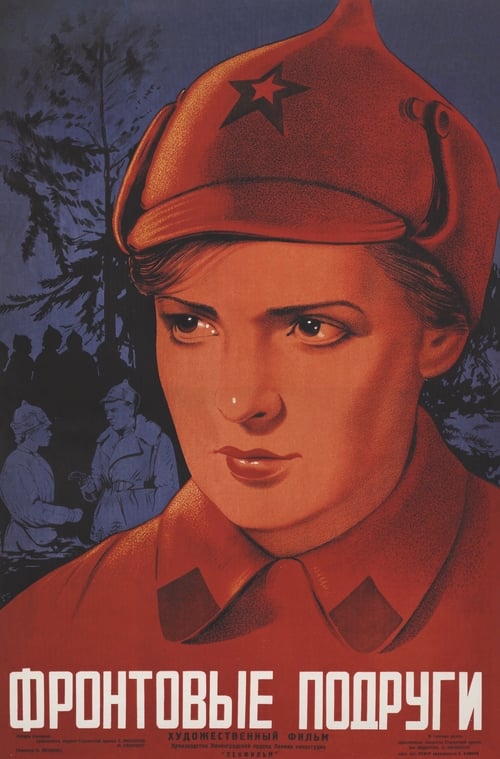
Viktor Eisymont
Runtime
88 minutes
Average Rating
No ratings yetNew Showbiz Analysis
The film is a product of Socialist Realism, prioritizing communal duty over individual desire. It succeeds in challenging traditional gender roles by presenting women as active, capable agents in war and medicine. However, the work is limited by its historical context, showing a lack of racial plurality and any LGBTQ+ representation. The focus remains strictly on a unified, state-sanctioned Soviet identity. Ultimately, the film's diversity is bifurcated. It offers a radical departure from domestic femininity while remaining tethered to the demographic and social constraints of 1941.
Category Breakdown
The film follows strict 1940s Soviet social norms. There is no indication of queer-coded subtext or non-straight relationships, focusing instead on traditional romantic bonds and collective female camaraderie.
Women are repositioned from domestic roles to the front lines as medical professionals and combatants. The narrative emphasizes the 'New Soviet Woman,' defined by professional competence and physical resilience rather than passivity.
The cast is predominantly Slavic, reflecting the specific geopolitical setting of the Leningrad volunteer groups. The film focuses on a unified national identity rather than multi-ethnic blending.
The film champions a collectivist social model and promotes secularism. It sidelines religious institutions in favor of state-aligned morality, framing personal interest as secondary to the survival of the collective.
Physical trauma and injury are depicted through the lens of medical response. These portrayals serve as narrative catalysts to demonstrate courage rather than exploring disability as a nuanced identity.
Present on Screen
Limited or Absent
Official Synopsis
Set during the 1939–1940 Winter War, the film follows a group of young women from Leningrad who volunteer for service at the front. Working as nurses in hospitals and on the battlefield, they devote themselves to saving the lives of wounded soldiers, while also taking up arms alongside the men in combat. Through hardship and sacrifice, their courage forges bonds of friendship and love that endure amid the trials of war.
1954

1972
1944
1974

1953
1949
1943

2017
No reviews yet. Be the first to share your thoughts on this movie!
Use the rating form above to leave a star rating and optional review.