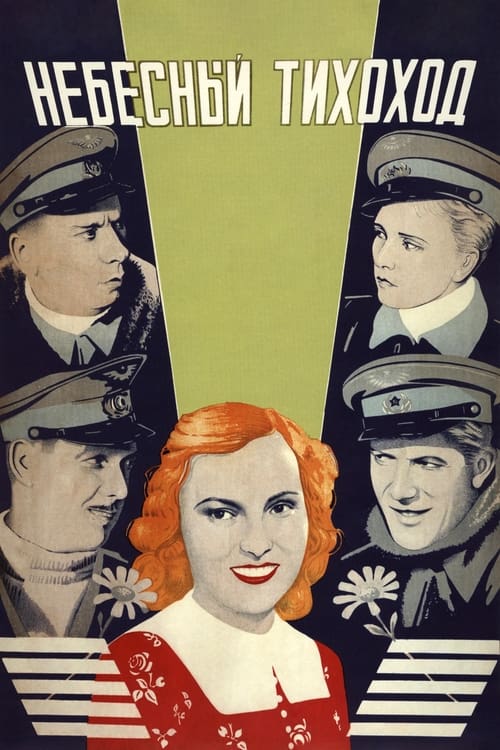
The Sky Slow-Mover
1946
No user ratings available yet
Representation score: 3.1 out of 10
Representation Score
Limited
1974
Director
Leonid Bykov
Runtime
92 minutes
Average Rating
No ratings yetNew Showbiz Analysis
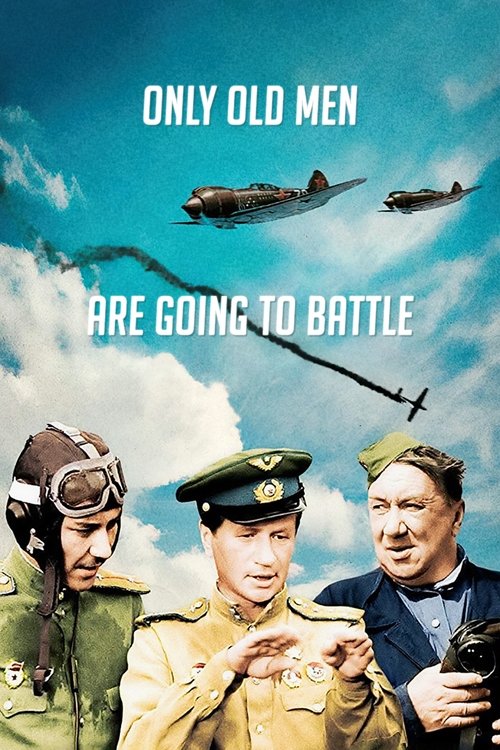
Leonid Bykov’s film is a traditionalist historical drama that prioritizes communal resilience and the dignity of its aging protagonists. It succeeds in portraying a diverse assembly of individuals unified by a shared struggle, offering a nuanced look at the emotional interiority of older characters. However, the film adheres to the social constraints of its 1974 Soviet origin. It maintains conventional hierarchies, particularly regarding gender, and lacks the subversion of systemic power dynamics found in more progressive modern works. Ultimately, the narrative functions as a celebration of collective duty and national identity. It provides a strong portrayal of brotherhood but lacks representation for LGBTQ+ identities and diverse gender roles.
Category Breakdown
The film follows a strictly straight-centered structure, focusing on wartime brotherhood and traditional companionship without any depiction of non-binary or transgender identities.
Male characters hold almost all central roles through military action. Women appear primarily in domestic roles or as figures needing protection, reinforcing traditional wartime hierarchies.
The cast is predominantly Slavic but emphasizes a multi-ethnic assembly from various USSR regions, creating a sense of solidarity through a shared national cause.
The story is rooted in Soviet patriotism and the moral clarity of the Great Patriotic War. It emphasizes collective duty and national identity over individualist perspectives.
Disability is presented through the physical limitations of elderly volunteers. While tied to the toll of combat, these characters are treated with dignity rather than pity.
Present on Screen
Limited or Absent
Official Synopsis
Alexey Titarenko is very talented pilot and brave leader of "Singing group". He also must look after some new cadets and fight together with them against German Luftwaffe planes. Close to Alexey always are his friends, they are all from different parts of the country, but they all became real brothers.
1946
1972
1968
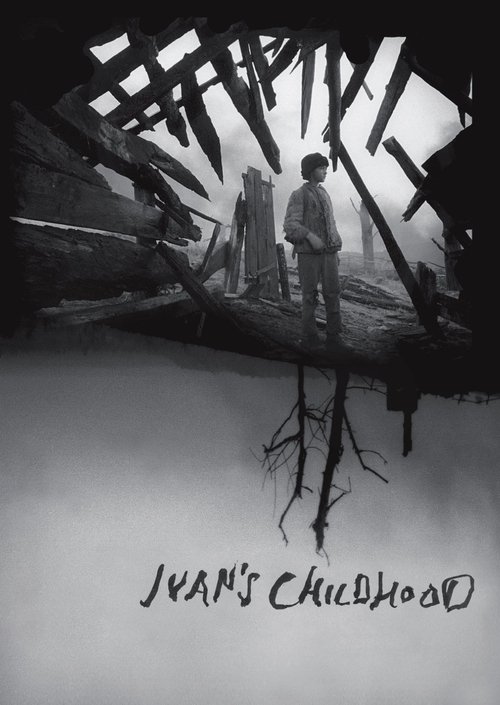
1962
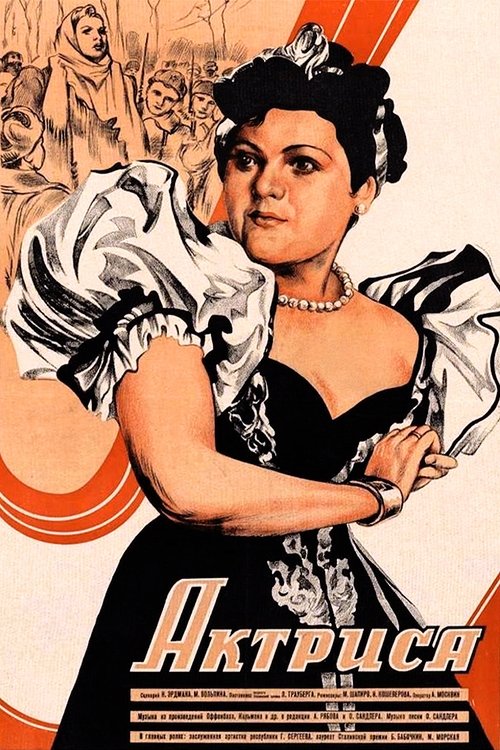
1943

2021
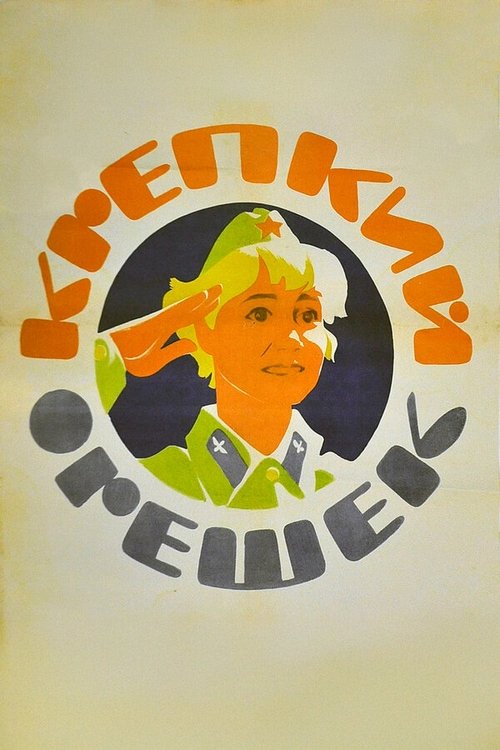
1968
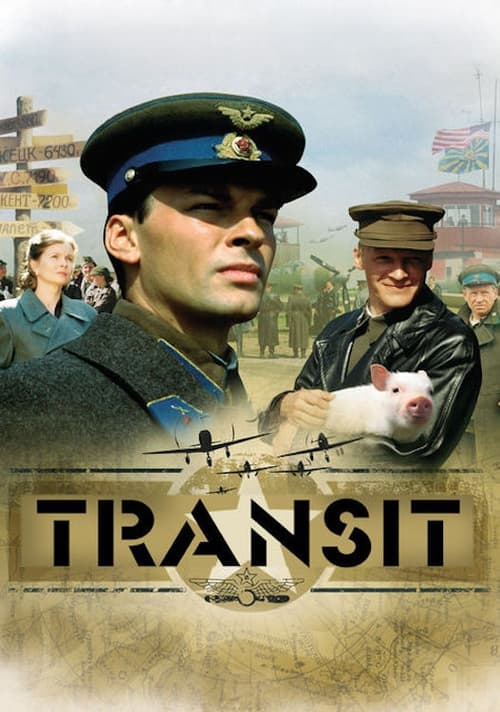
2006
No reviews yet. Be the first to share your thoughts on this movie!
Use the rating form above to leave a star rating and optional review.