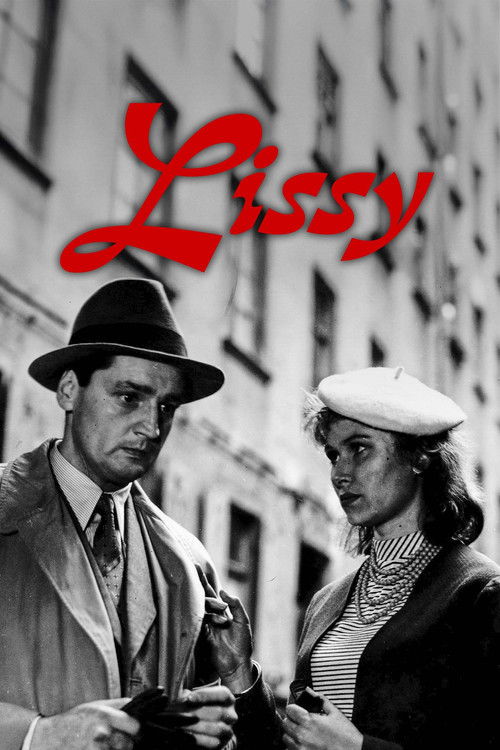
Lissy
1957
No user ratings available yet
Representation score: 6.2 out of 10

Representation Score
Fair
1950
Director
Wolfgang Staudte
Runtime
79 minutes
Average Rating
No ratings yetNew Showbiz Analysis
Rotation is a foundational rubble film that uses a devastated landscape to explore the collapse of moral authority. It succeeds in its cultural critique, deconstructing the relationship between the individual and a corrupt state. However, the film is limited by its historical context, featuring a largely homogeneous cast and a total absence of LGBTQ+ representation. The racial diversity is defined primarily by the systemic erasure of the Jewish community, which drives the plot's moral tension. Ultimately, the film's strength lies in its portrayal of gendered resilience and its profound interrogation of institutional failure, even as it remains constrained by the demographic realities of 1950s Germany.
Category Breakdown
The film does not depict any queer identities or non-straight relationships. It focuses entirely on the socio-political survival of the German populace during the post-war period.
Women are shown who play a significant role in driving the story, acting as strong leaders in makeshift communities. This portrayal emphasizes their roles beyond traditional domestic duties, highlighting their survival-oriented leadership.
The cast is predominantly white due to the post-war German setting. The absence of the Jewish community serves as a catalyst for the protagonist's moral awakening.
The narrative provides a sophisticated critique of failed Western institutions and the previous social order. It explores the moral complexities of individuals within a collapsed state.
The film portrays the collective psychological scars of a traumatized society. Characters often serve as vessels for themes of societal decay rather than individual disability, focusing more on the communal impact.
Present on Screen
Limited or Absent
Official Synopsis
The mechanic Behnke wants to join the Nazi party to secure a good living. However, after his Jewish neighbors have been taken away, he changes his views. Trying to remain "a non-political man," he withdraws from reality and becomes a Nazis laborer.
1957

1965

1944

1981
1940

2002
1948

1965
No reviews yet. Be the first to share your thoughts on this movie!
Use the rating form above to leave a star rating and optional review.