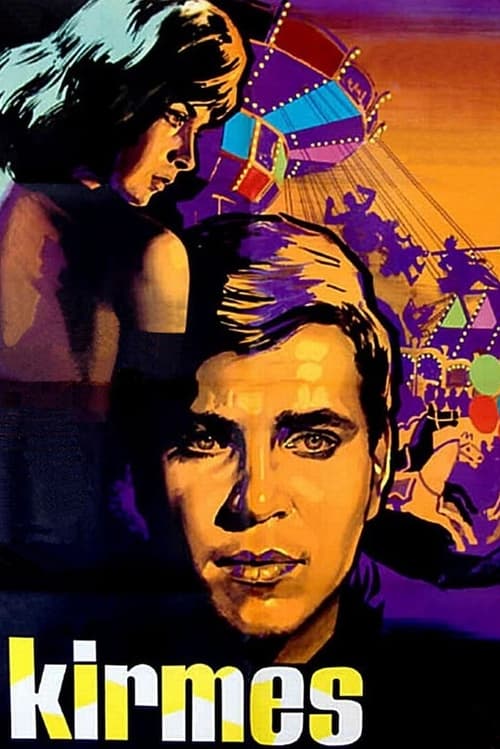
The Fair
1960
No user ratings available yet
Diversity score: 3.6 out of 10
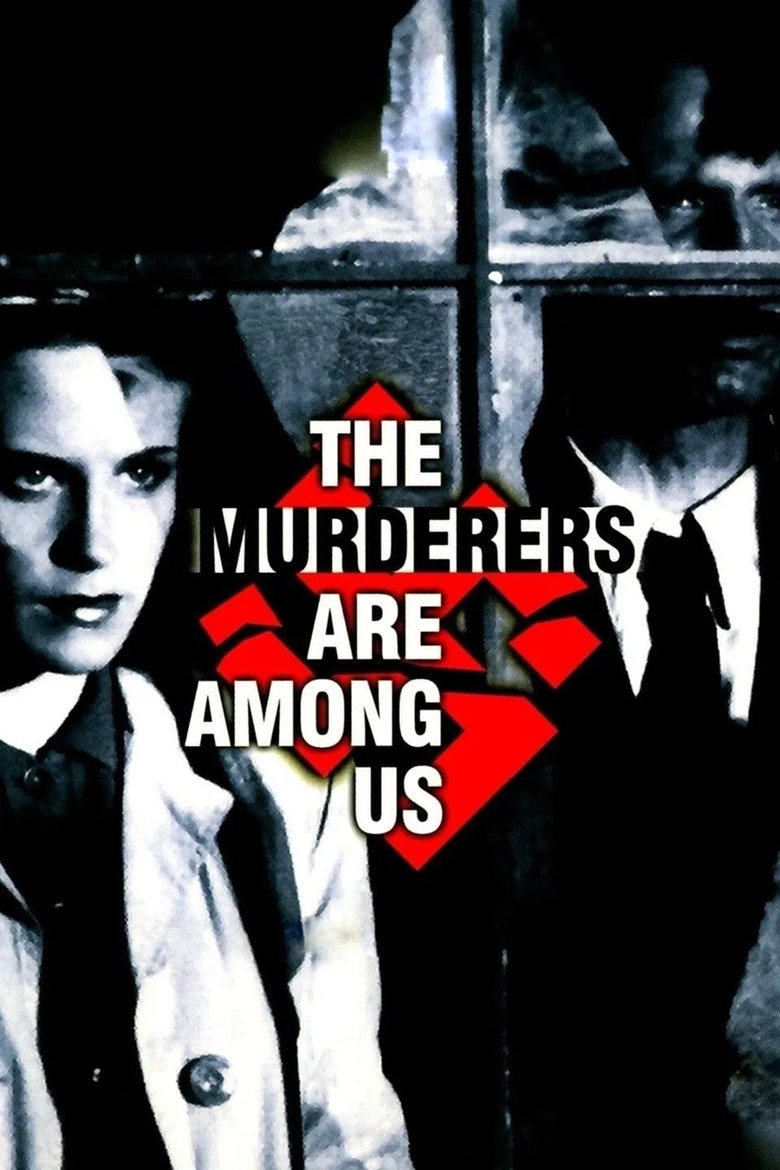
1946
Not RatedDirector
Wolfgang Staudte
Runtime
81 minutes
Average Rating
No ratings yetSynopsis
After returning from a concentration camp, Susanne finds a traumatized ex-soldier living in her apartment in bombed out Berlin. Together the two try to move past their experiences during WWII.
Overall Score
Fair
Category Breakdown
LGBTQ+ Representation
The film focuses exclusively on the heterosexual romantic tension between Susanne and Dr. Mertens. No LGBTQ+ characters or non-cisnormative identities are present.
Gender Representation
Female characters demonstrate significant agency and resilience as they navigate the post-war landscape. This subverts traditional hierarchies by centering the 'rubble women' archetype over paralyzed male figures.
Racial & Ethnic Diversity
The cast is ethnically homogeneous, reflecting the specific historical constraints of 1946 Berlin. There is no significant minority representation within this localized narrative.
Religious & Cultural Diversity
The film offers a sharp critique of collapsed Western institutions and social norms. It portrays the failure of medical and legal authority as a systemic reality of the era.
Disability Representation
The narrative provides a nuanced look at invisible disabilities, specifically PTSD. Psychological trauma is treated as a central identity rather than a mere plot device.
Strengths
Areas for Improvement
AI Analysis
Wolfgang Staudte’s film is a sophisticated deconstruction of post-war German society. It excels by elevating female agency and providing a profound, character-driven exploration of psychological trauma and PTSD in a broken landscape. However, the film is limited by its historical context, resulting in an ethnically homogeneous cast and a lack of LGBTQ+ representation. The narrative is strictly localized to the immediate socioeconomic devastation of Berlin. Ultimately, the work's strength lies in its institutional critique. It uses the wreckage of the city to dismantle traditional power structures and nationalistic myths, prioritizing moral complexity over demographic breadth.
No reviews yet. Be the first to share your thoughts on this movie!
Use the rating form above to leave a star rating and optional review.