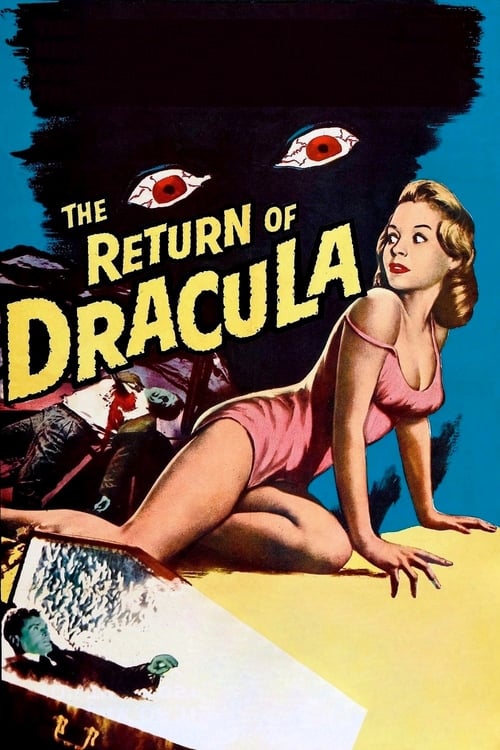
The Return of Dracula
1958
No user ratings available yet
Representation score: 1.4 out of 10
Representation Score
Minimal
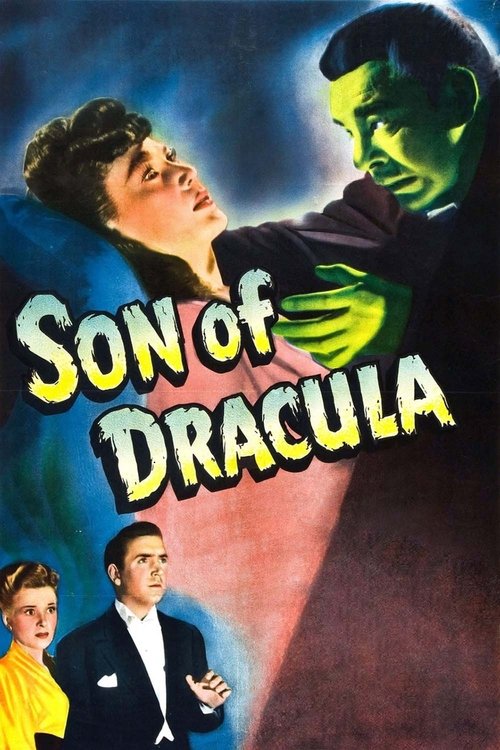
1943
ApprovedDirector
Robert Siodmak
Runtime
80 minutes
Average Rating
No ratings yetNew Showbiz Analysis
Son of Dracula is a typical product of its 1943 era, adhering closely to the social structures of mid-century Hollywood. The film upholds traditional hierarchies and conventional gender roles without challenging them. The cast and setting reflect a homogeneous, Anglo-centric baseline with little racial or ethnic diversity. This lack of diversity extends to the film's moral framework, which supports established Western institutions to maintain order. Ultimately, the film functions as a genre piece that upholds the status quo, lacking any significant effort to deconstruct social norms or represent underrepresented identities.
Category Breakdown
The film does not include any LGBTQ+ characters or references to non-straight relationships. The interpersonal dynamics center around heterosexual relationships and the antagonist's predatory behavior.
The story follows a strict gender hierarchy, using the 'damsel in distress' cliché for the female lead. Male characters are portrayed as active defenders and authority figures.
The cast is primarily composed of white actors, lacking racial or ethnic diversity. The setting and characters reinforce the Anglo-centric norms of the 1940s.
The moral framework aligns with traditional Western values, supporting the stability of established medical and legal institutions. It emphasizes the importance of maintaining traditional social order.
Disability is represented through the metaphor of vampirism, serving as a device for horror rather than a nuanced portrayal of lived experiences.
Present on Screen
Limited or Absent
Official Synopsis
Carpathian Count Alucard is invited to the U.S. by a young heiress. Her boyfriend and local officials are suspicious of the newcomer, who is interested in the "virile" soil of the new world.
1958
1922
1953

1931
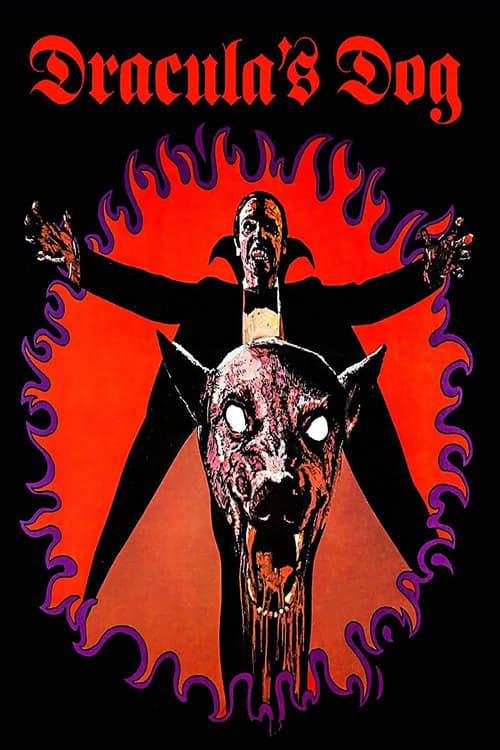
1977
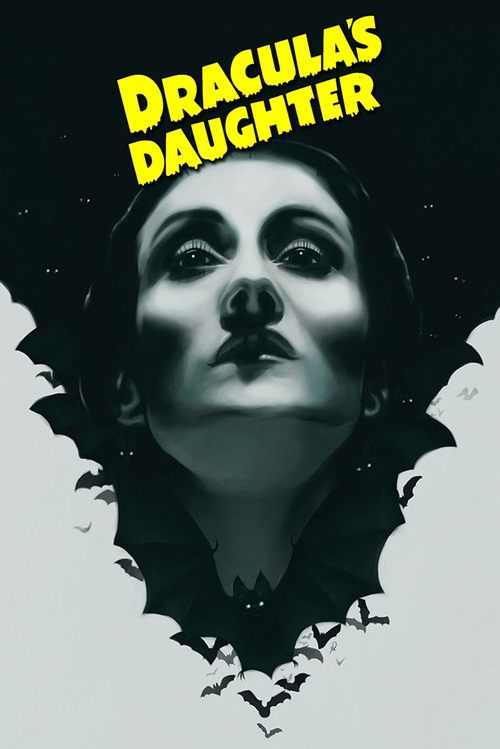
1936
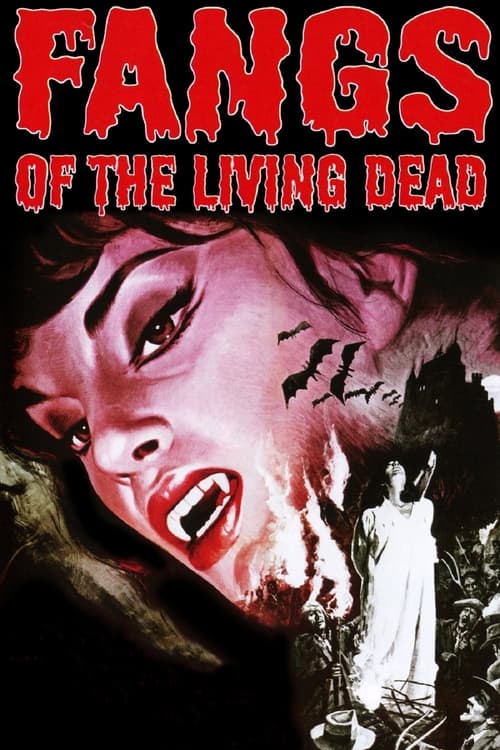
1969
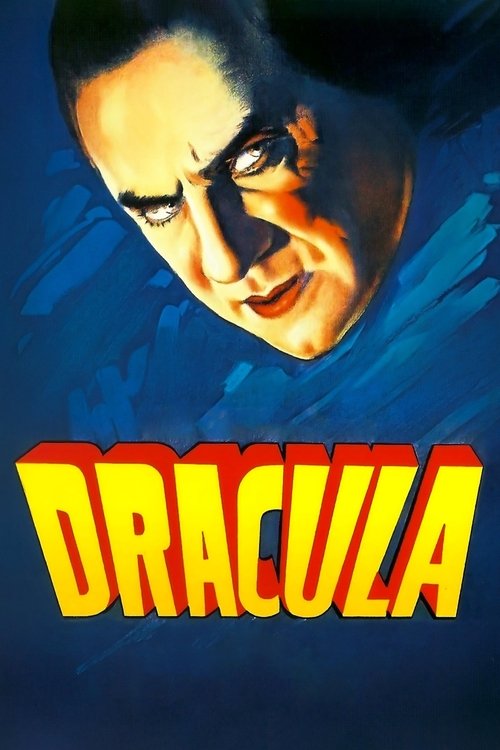
1931
No reviews yet. Be the first to share your thoughts on this movie!
Use the rating form above to leave a star rating and optional review.