
Space Master X-7
1958
No user ratings available yet
Representation score: 0.4 out of 10
Representation Score
Minimal
1958
ApprovedDirector
William Berke
Runtime
70 minutes
Average Rating
No ratings yetNew Showbiz Analysis
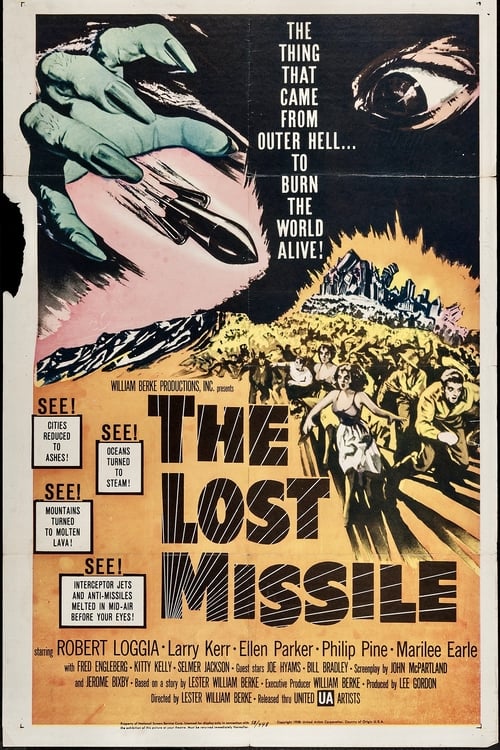
The Lost Missile is a mid-century science fiction procedural that emphasizes an external technological threat over exploring character identity. Its narrative architecture focuses on technical problem-solving and existential dread rather than social dynamics. As a product of the 1950s B-movie circuit, the film reflects the era's standard studio constraints and traditional social hierarchies. It serves as a typical genre piece addressing a technological crisis. Ultimately, the film lacks depth in representing multi-layered identities and reinforces the traditionalist values and social norms of its time.
Category Breakdown
The film does not include any representation of LGBTQ+ identities, sticking closely to the social norms of the 1950s.
The movie likely follows traditional gender roles, where men hold positions of power in science and the military, while women play supporting roles.
The casting seems to follow the homogenous practices of 1950s American cinema, with no indication of diverse character backgrounds or race-bent casting.
The story centers on maintaining existing social and institutional orders, lacking themes that challenge Western-centric or traditionalist stability.
There is no information about characters with physical or neurodivergent disabilities, which were rarely represented in narratives of this era.
Present on Screen
Limited or Absent
Official Synopsis
A missile from parts unknown enters an orbit only 5 miles above Earth's surface and, due to friction from its intense speed through our atmosphere, proceeds to incinerate everything in its immediate wake.
1958

1951

1958

1963

1966

1961
1958

1962
No reviews yet. Be the first to share your thoughts on this movie!
Use the rating form above to leave a star rating and optional review.