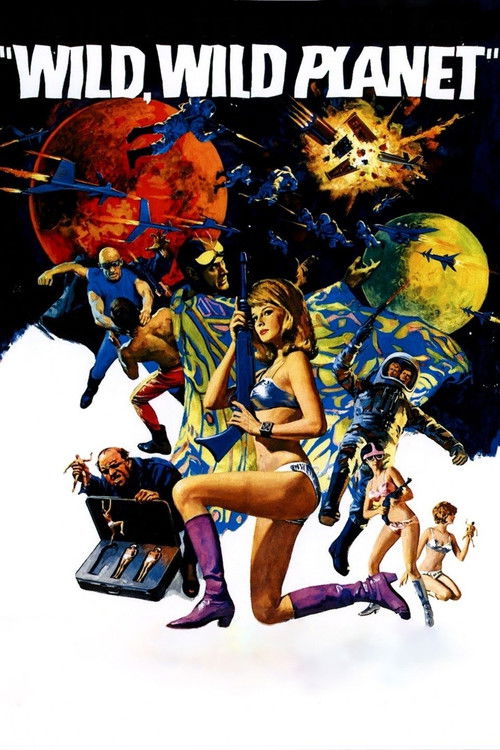
The Wild, Wild Planet
1966
No user ratings available yet
Diversity score: 2.7 out of 10
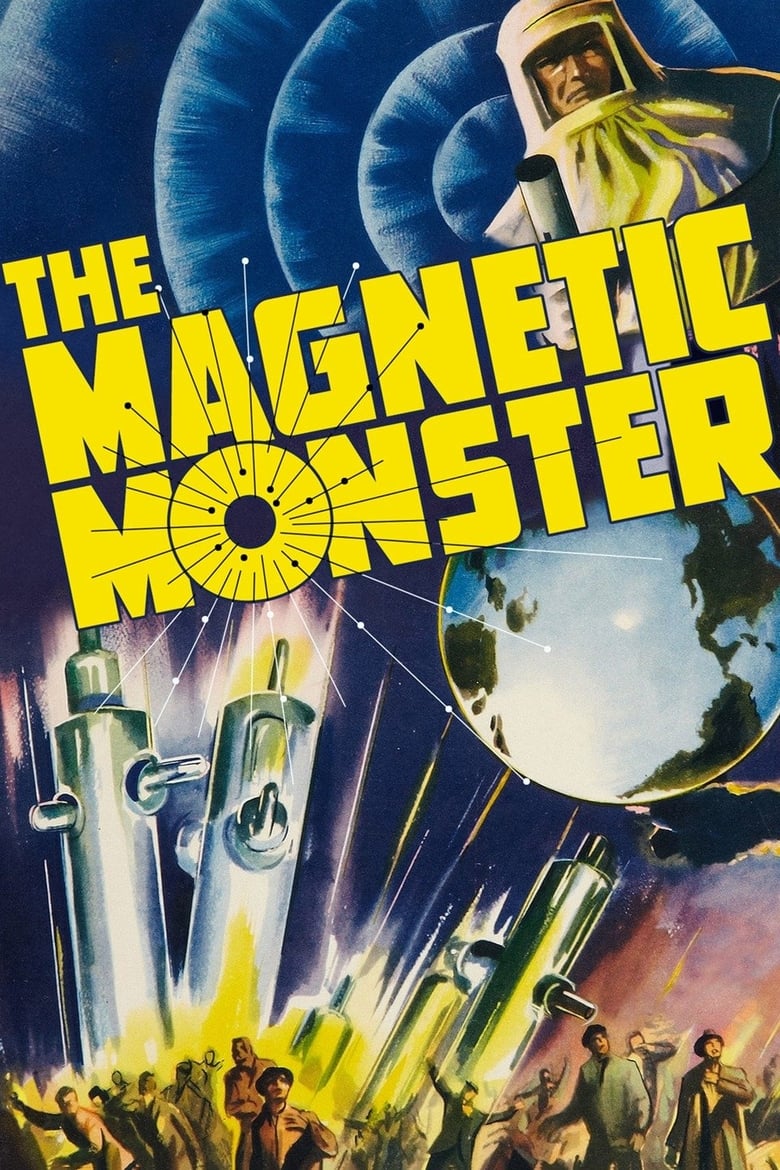
1953
NRDirector
Curt Siodmak, Herbert L. Strock
Runtime
76 minutes
Average Rating
No ratings yetSynopsis
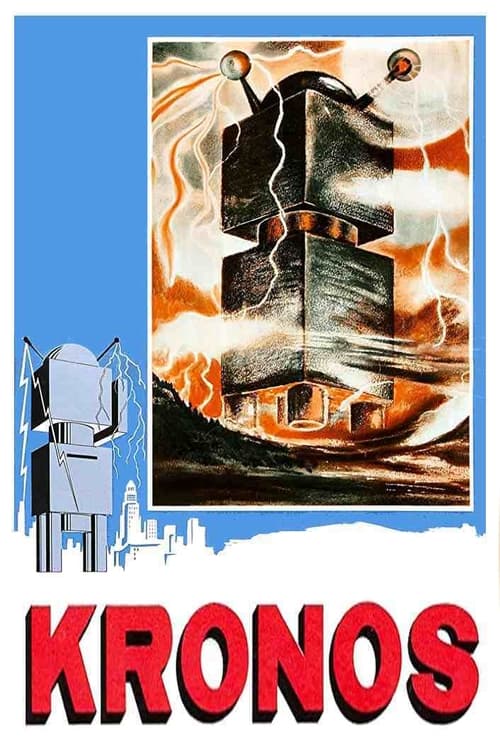
The Office of Scientific Investigations tracks down the source of increased magnetism and radioactivity in Los Angeles, and discovers that a man-made isotope is consuming available energy from nearby mass every few hours, doubling its size in the process. Although microscopic, it will soon become big enough to destroy Earth; and how to stop it is yet to be determined. The film's Deltatron special effects footage is taken from the 1934 German sci-fi film GOLD.
Overall Score
Minimal
Category Breakdown
LGBTQ+ Representation
The film contains no discernible LGBTQ+ characters or romantic pairings. It operates within a traditional mid-century framework that lacks any engagement with queer identity.
Gender Representation
The scientific environment is overwhelmingly male-dominated, concentrating intellectual agency among men. While a female lead exists, the film does not subvert 1950s gendered power dynamics.
Racial & Ethnic Diversity
The cast is predominantly homogeneous, reflecting the era's cinematic norms. The narrative lacks racial diversity within the scientific team, presenting a largely Anglo-centric view of authority.
Religious & Cultural Diversity
The plot emphasizes Western values, scientific protocol, and institutional authority. It focuses on the competence of professional bodies rather than critiquing capitalism or religion.
Disability Representation
There are no visible or invisible disabilities portrayed with agency. Characters are presented as able-bodied professionals without engagement with neurodivergence or physical disability.
Strengths
Areas for Improvement
AI Analysis
The film is a standard mid-century science fiction piece that prioritizes scientific proceduralism over social exploration. It functions as a period-accurate genre film, adhering to the demographic norms of 1950s Hollywood. Representation is limited by the era's focus on institutional stability and professional competence. The narrative architecture reinforces traditional hierarchies rather than challenging them through diverse character perspectives. Ultimately, the work lacks the intentionality required to disrupt demographic tropes, offering little intersectional complexity or progressive narrative disruption.
1966
1958

1990

1958

1961
1958
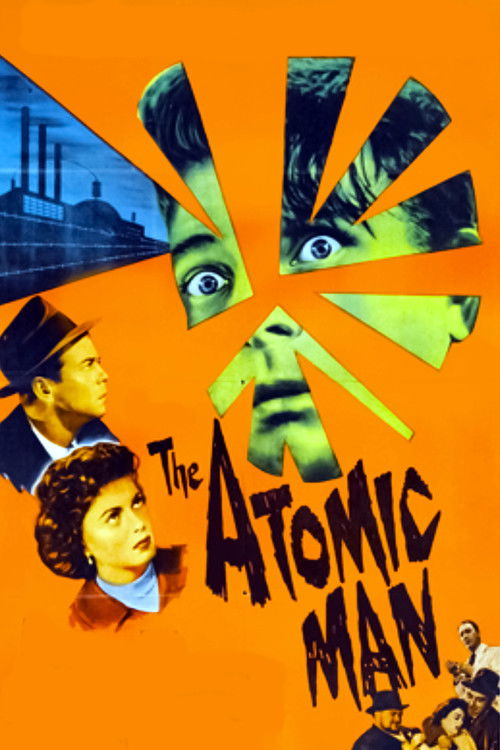
1955
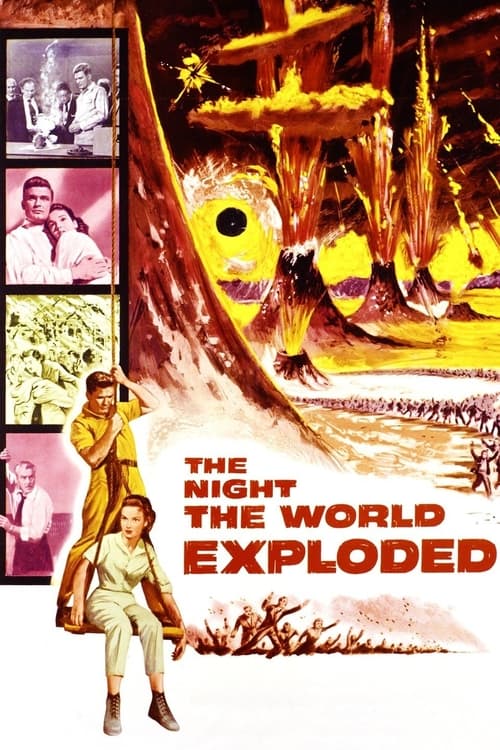
1957
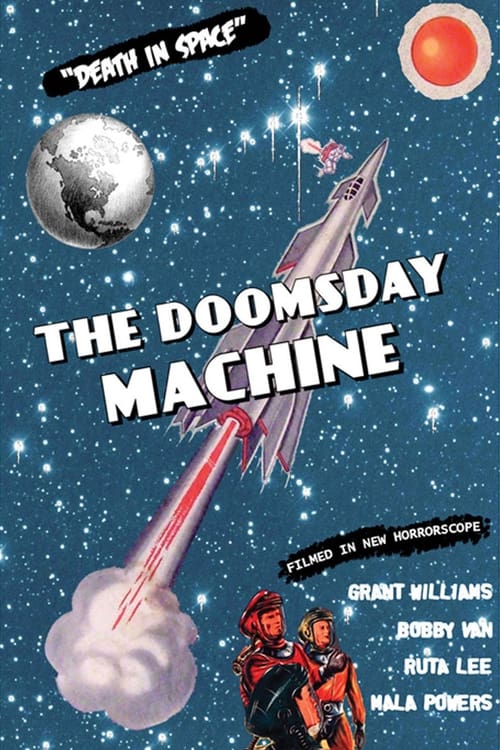
1972
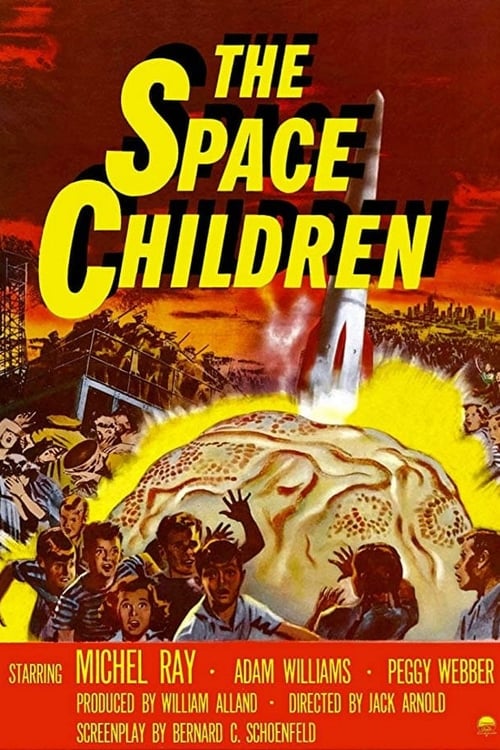
1958
1957
1965
No reviews yet. Be the first to share your thoughts on this movie!
Use the rating form above to leave a star rating and optional review.