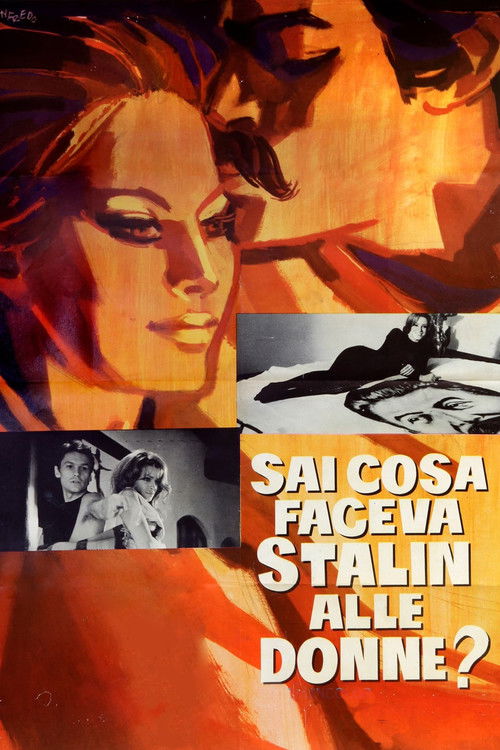
What Did Stalin Do to Women?
1969
No user ratings available yet
Diversity score: 6.3 out of 10
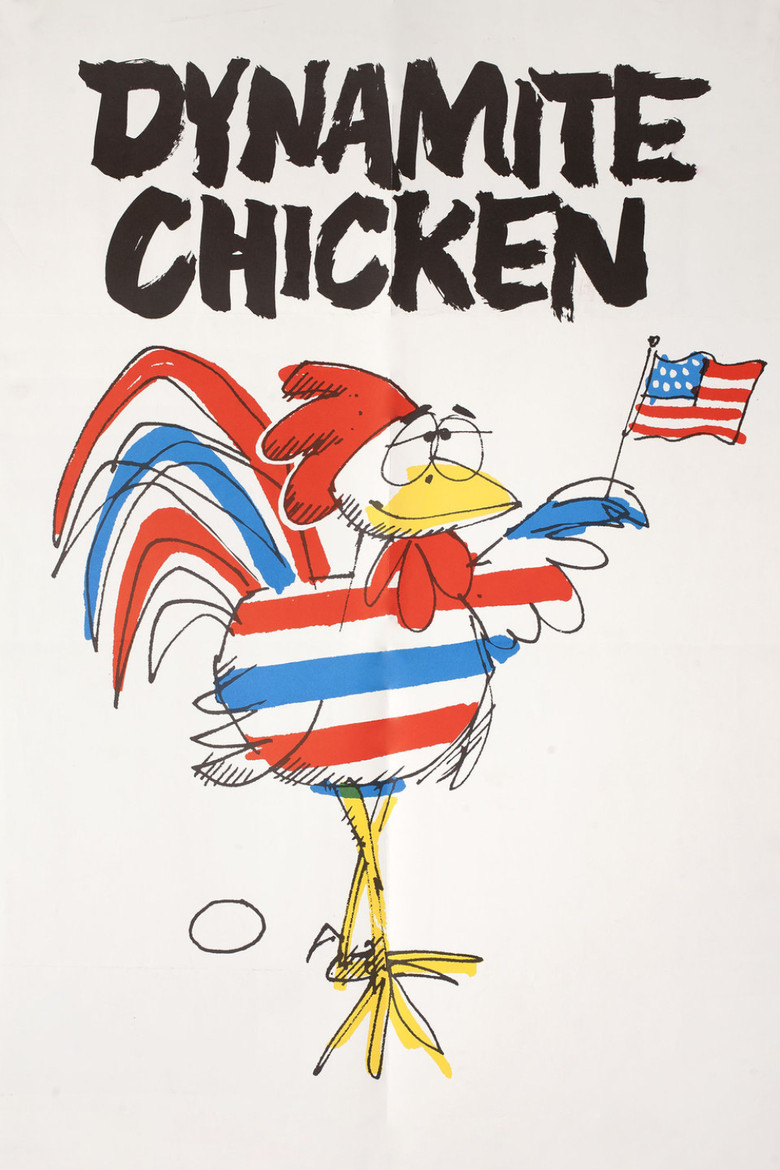
1971
Director
Ernest Pintoff
Runtime
76 minutes
Average Rating
No ratings yetSynopsis
A collection of subversive comedy sketches and routines relating to the peace movement.
Overall Score
Good
Category Breakdown
LGBTQ+ Representation
The film's subversive, countercultural nature suggests it likely challenges the heteronormative standards of 1971. While specific queer identities aren't explicitly detailed, the underground comedy format often embraced non-traditional expressions.
Gender Representation
The fragmented, non-linear structure likely disrupts traditional domestic hierarchies. However, the sketch comedy format of the era often balanced subversive roles with established stereotypes for women.
Racial & Ethnic Diversity
The casting of Richard Pryor provides a significant boost to the film's racial representation. His involvement in anti-establishment themes suggests high agency for performers of color within the narrative.
Religious & Cultural Diversity
The film shows high intentionality in critiquing Western institutions through agitprop and peace movement themes. Its stream-of-consciousness format promotes a subjective, countercultural morality over centralized authority.
Disability Representation
There is no evidence regarding the portrayal of physical or neurodivergent disabilities in this work.
Strengths
Areas for Improvement
AI Analysis
Dynamite Chicken serves as a vital artifact of 1971 counterculture, utilizing a fragmented 'electronic magazine' format to disrupt mainstream cinematic structures. Its strength lies in its alignment with the peace movement and its willingness to engage in socio-political agitprop. The inclusion of Richard Pryor is a cornerstone of the film's racial diversity, providing a platform for subversive, anti-establishment comedy. This presence, combined with the film's college-campus roots, suggests a deliberate effort to engage with the era's shifting civil rights landscape. While the film excels in cultural critique and racial agency, it lacks specific evidence regarding disability representation or clearly defined gender arcs. It functions more as a collection of social critiques than a character-driven narrative.
1969
1973
1964
1973
1969
1967
1984
1971
1969
1969

2012
1979
No reviews yet. Be the first to share your thoughts on this movie!
Use the rating form above to leave a star rating and optional review.