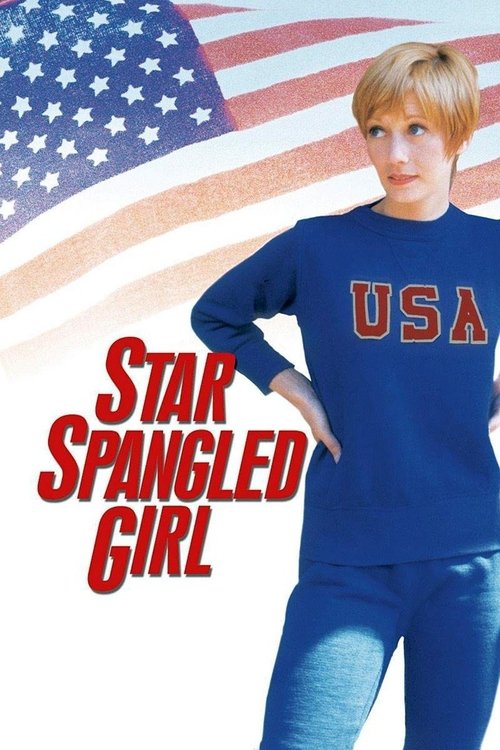
Star Spangled Girl
1971
No user ratings available yet
Representation score: 3.5 out of 10

Representation Score
Fair
2012
PG-13Director
David Rich
Runtime
98 minutes
Average Rating
No ratings yetNew Showbiz Analysis
Margarine Wars primarily explores cultural friction rather than showcasing diverse identities. Its strength lies in the ideological battle between the 1960s counterculture and traditional agrarian society, which effectively critiques established institutional norms. However, the film’s demographic focus is narrow, emphasizing male protagonists and European-descended characters. While the setting suggests potential for social disruption, the actual character dynamics remain largely traditional. Ultimately, the film succeeds as a cultural commentary but falls short in providing a broad spectrum of diverse lived experiences.
Category Breakdown
The film is set in the 1960s, offering a historical context for queer visibility. However, it does not explicitly confirm any LGBTQ+ characters or include diverse LGBTQ+ narrative arcs.
The story revolves around a male-driven conflict between a hippie and a farmer's son. It lacks evidence of female empowerment or challenges to traditional gender roles.
The narrative focuses on a clash between New York city dwellers and Swedish-descended farmers. This emphasizes specific Western ethnic identities rather than a racially diverse cast.
The film stands out by contrasting psychedelic counterculture with rigid traditionalist structures. This juxtaposition critiques established economic and social norms from an outsider’s perspective.
The story does not mention any characters with visible or invisible disabilities.
Present on Screen
Limited or Absent
Official Synopsis
A sixties psychedelic counterculture clash occurs during the "Summer of Love" when an aspiring hippie from New York dupes the son of a Swedish dairy farmer into smuggling illegal margarine into butter-rich Wisconsin
1971

2001

2012

1997
2017
1978

2020
1969
No reviews yet. Be the first to share your thoughts on this movie!
Use the rating form above to leave a star rating and optional review.