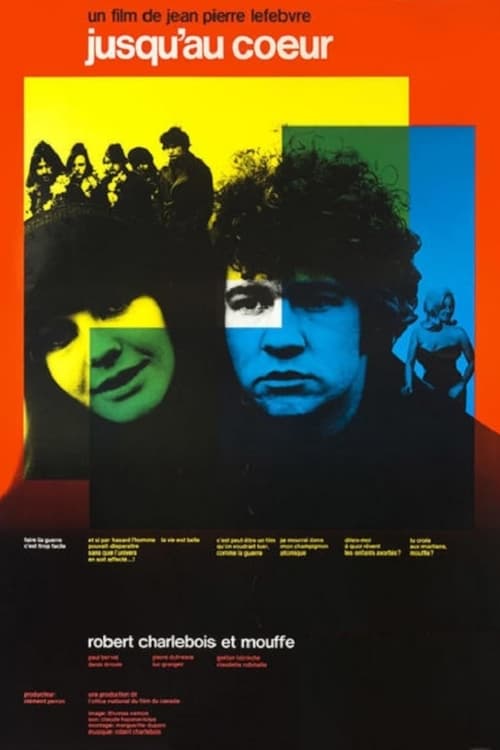
Straight to the Heart
1969
No user ratings available yet
Diversity score: 5.6 out of 10
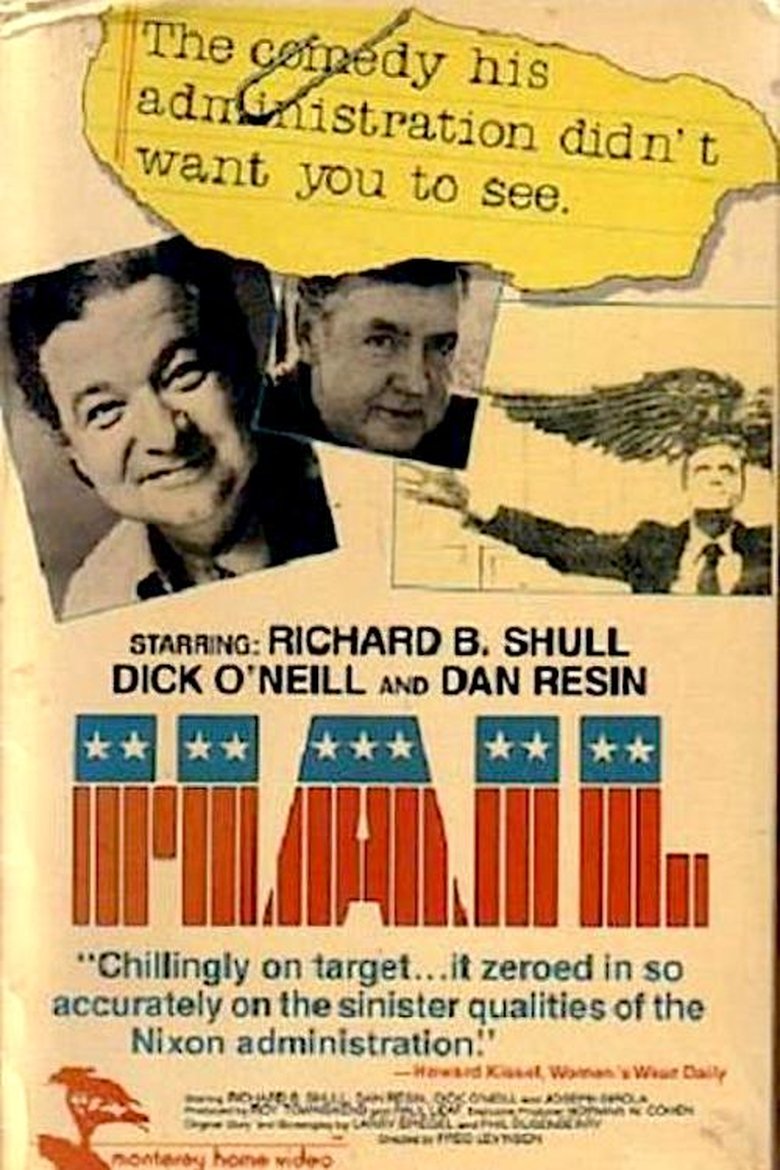
1973
Director
Fred Levinson
Runtime
85 minutes
Average Rating
No ratings yetSynopsis
A presidential advisor discovers that the President has assembled a secret army of vigilantes to suppress dissent and is setting up concentration camps in which to imprison protestors, hippies and other "social undesirables."
Overall Score
Good
Category Breakdown
LGBTQ+ Representation
The film lacks explicit LGBTQ+ characters in the synopsis. However, the targeting of 'social undesirables' often serves as a narrative proxy for queer identities in this era.
Gender Representation
The plot centers on political agency and systemic corruption. While the protagonist's role is traditionally male-coded, the conflict challenges patriarchal, authoritarian state structures.
Racial & Ethnic Diversity
The narrative focuses on marginalized populations and the suppression of dissent. Specific intersectional representation remains unconfirmed without further character or casting details.
Religious & Cultural Diversity
The film offers strong progressive framing by portraying state institutions as oppressive. It aligns with counter-cultural values by centering hippies as victims of government overreach.
Disability Representation
There is no evidence regarding the portrayal of physical or neurodivergent characters in the provided material.
Strengths
Areas for Improvement
AI Analysis
Hail (1973) serves as a sharp critique of systemic authority and the erosion of civil liberties. By framing the state as a coercive entity through the use of secret armies and concentration camps, the film challenges traditional notions of government legitimacy. The narrative's strength lies in its anti-establishment stance. It prioritizes the perspective of the marginalized, specifically hippies and social dissenters, against a backdrop of institutional oppression. However, the film's diversity is primarily thematic rather than character-driven. While it subverts political hierarchies, it lacks specific evidence of intersectional casting or diverse character identities.
1969
1989
1964
2012
1984
2017
1969
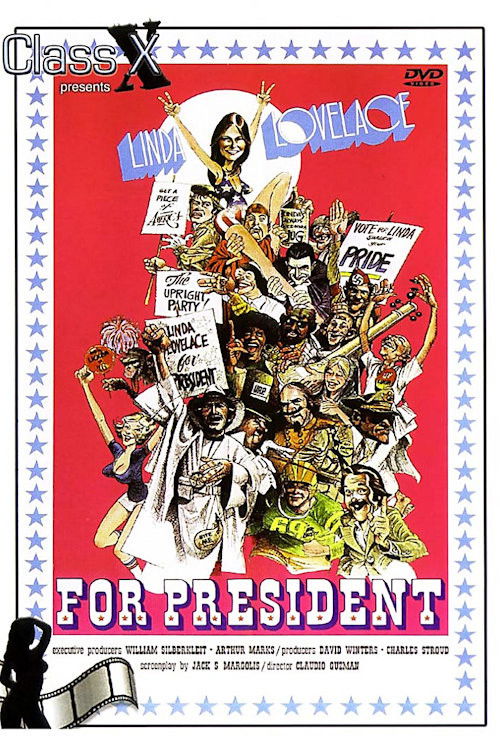
1975

1987
1971
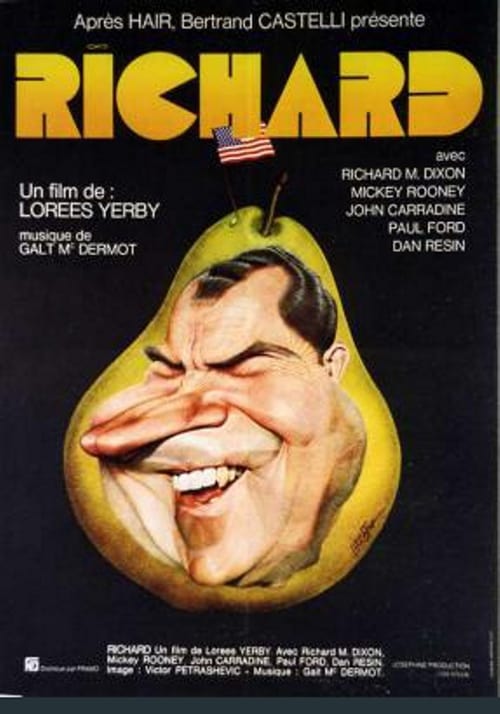
1972
1977
No reviews yet. Be the first to share your thoughts on this movie!
Use the rating form above to leave a star rating and optional review.