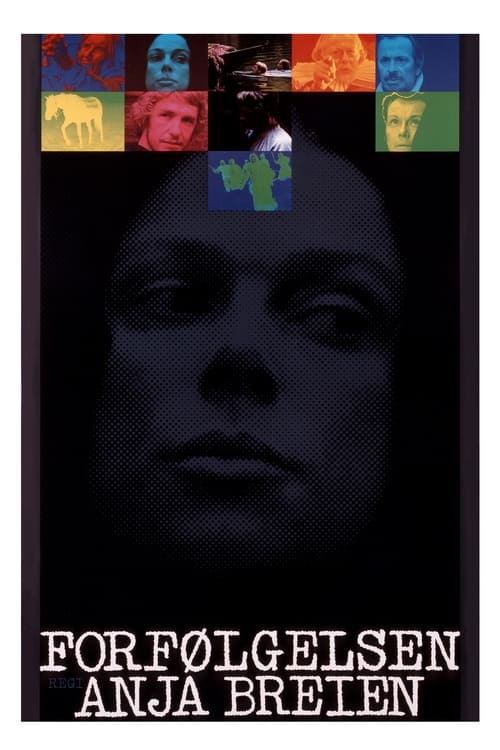
The Witch Hunt
1981
No user ratings available yet
Representation score: 5.2 out of 10
Representation Score
Limited
1972
Director
Jacques Boigelot
Runtime
91 minutes
Average Rating
No ratings yetNew Showbiz Analysis
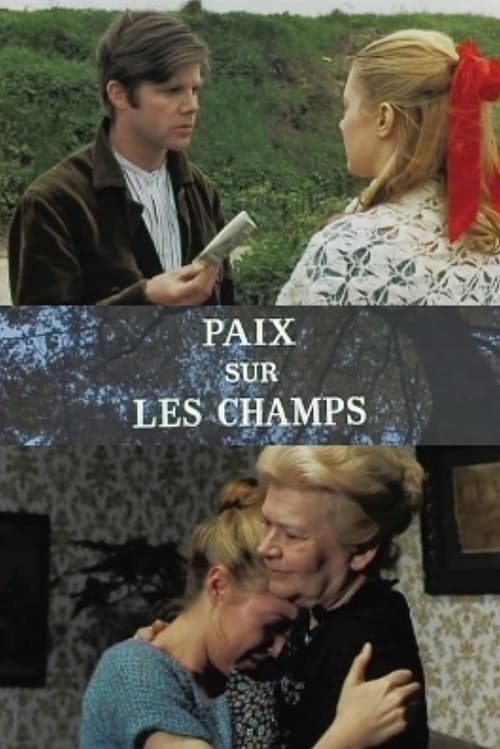
Peace in the Fields is a historical drama that prioritizes thematic critique over modern diversity. It functions primarily as a study of provincial prejudice and the dangers of superstition within a specific European context. The film earns its score by deconstructing social hierarchies and the weaponization of communal morality. However, it remains limited by its period setting, resulting in a lack of racial and LGBTQ+ diversity. Ultimately, the work is a specialized exploration of systemic victimhood rather than a broad representation of diverse identities.
Category Breakdown
The film does not include any visible LGBTQ+ characters or narratives. It focuses on the domestic and communal tensions in a rural Belgian setting.
The story centers on a mother facing intense communal scrutiny. By framing her through witchcraft accusations, the film examines how gendered identities are used as weapons by social policing.
Set in the Belgian countryside during the late 1920s, the film depicts a homogeneous rural population. There is no evidence of racial blending or non-white casting.
The film critiques oppressive communal morality and religious dogma. It uses the persecution of an individual to challenge how traditional social structures enforce conformity through fear.
There is no explicit evidence of characters with physical or neurodivergent disabilities. While it touches on social 'otherness,' no specific disabilities are portrayed.
Present on Screen
Limited or Absent
Official Synopsis
This is a film which was made in Belgium in the early '60s and was never released. However, it somehow got included in the American Oscar category for "Best Foreign Film," and was finally released in its home country in 1971. It explores the issues of prejudice and superstition in the Belgian countryside through the troubles of a middle-aged farmer whose mother has been accused of being a witch. In French, this picture is based on a true story which took place in the late 1920s and early '30s.
1981
1943
1948
1967
1985

1943
1951
2017
No reviews yet. Be the first to share your thoughts on this movie!
Use the rating form above to leave a star rating and optional review.