Petra: Lost City of the Desert
2017
No user ratings available yet
Representation score: 2.1 out of 10
Representation Score
Good
2003
AODirector
Amy Bucher
Average Rating
No ratings yetNew Showbiz Analysis
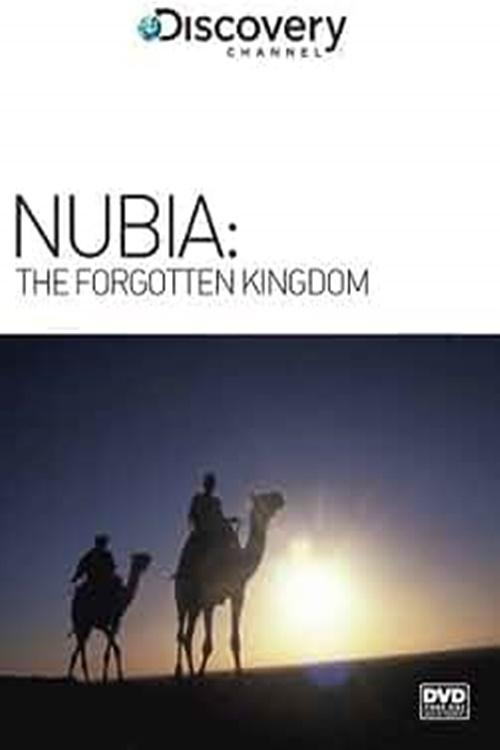
Nubia: The Forgotten Kingdom serves as a corrective narrative that challenges the traditional Western archaeological perspective. It prioritizes the importance of African historical sites and diverse professional leads. The film's greatest strength lies in its refusal to adopt a colonialist viewpoint. By highlighting a civilization that rivaled Egypt and featuring a collaborative team of experts, it elevates non-Western historical ability to act. However, the documentary lacks engagement with contemporary social identity issues. It remains focused on historical and scientific inquiry, leaving gaps in LGBTQ+ and disability representation.
Category Breakdown
The film focuses on archaeological discovery and historical reconstruction. There is no mention of LGBTQ+ characters or narratives exploring non-straight relationships.
The narrative centers on the professional role of archaeologist Julie Andersen, who drives the excavation. This positions a female scholar as a primary driver of the project, challenging traditional gender roles.
The film highlights a powerful African civilization to challenge Eurocentric historical frameworks. The collaboration between Julie Andersen and Salah Ahmed avoids the typical colonial explorer cliché.
The documentary explores ancient religious structures, such as the temple of Amun. It discusses the neglect of Nubia as a systemic historical failure.
There is no visible or mentioned evidence regarding the portrayal of physical or neurodivergent disabilities.
Present on Screen
Limited or Absent
Official Synopsis
Once a powerful, sprawling presence in Northern Africa, the ancient kingdom of Nubia now lies buried beneath mounds of red brick rubble in the Sudan. Forgotten by history and largely neglected by archaeology, its cities have lain buried for centuries, harboring priceless secrets of a civilization that once rivaled Egypt. Join world-renowned archaeologists Julie Andersen and Salah Ahmed as they unearth Dangeil - a thriving Nubian city that once sat at the juncture of several prominent trade routes. While excavating a massive temple to the god Amun, the team makes a surprising discovery that could solve the mystery of why the city was abandoned.
2017
2020
2023
2010
2014
2010

2019
2022
No reviews yet. Be the first to share your thoughts on this movie!
Use the rating form above to leave a star rating and optional review.