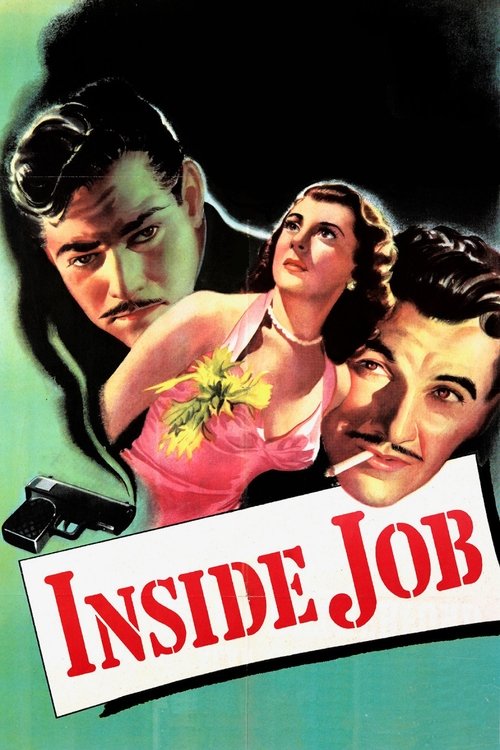
Inside Job
1946
No user ratings available yet
Representation score: 0.6 out of 10
Representation Score
Minimal
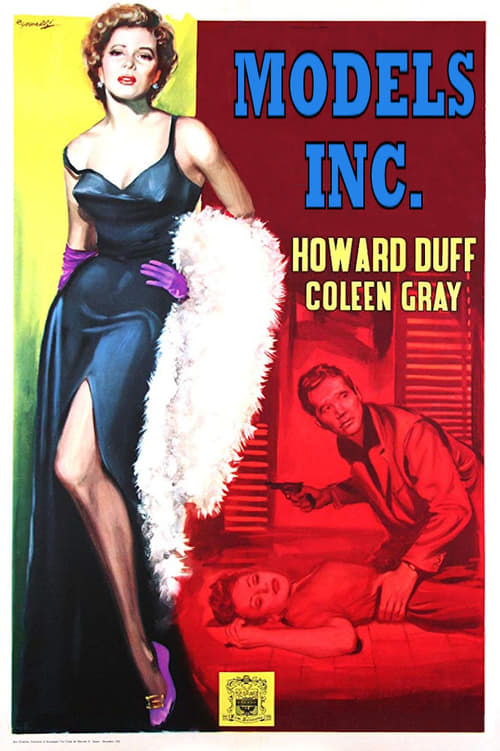
1952
ApprovedDirector
Reginald Le Borg
Runtime
73 minutes
Average Rating
No ratings yetNew Showbiz Analysis
Models Inc. is a typical mid-century crime drama that emphasizes plot-driven tension rather than social critique. The story focuses on the interplay between high-society aesthetics and criminal history, using traditional noir elements. The film operates within the social constraints of its time. It lacks the complexity needed to address multiple layers of identity or disrupt established hierarchies. Ultimately, the production reflects the era's reliance on homogeneous casting and conventional gender roles, offering limited identity-driven ability to act.
Category Breakdown
The film does not include any characters with non-binary gender identities or non-heterosexual orientations. It adheres to the strict social norms of sexuality prevalent in 1952.
Although a female student is central to the plot, the power dynamics remain centered around male characters. The narrative follows the conventional gender roles of the mid-1950s.
The film lacks any indication of a diverse cast. It reflects the homogeneous casting practices typical of the 1950s studio system.
The story examines class tensions between high society and the underworld. However, it does not challenge Western cultural norms or moral standards.
There are no characters with visible or invisible disabilities in the narrative.
Present on Screen
Limited or Absent
Official Synopsis
The wealthy owner of a modeling agency keeps a new student in the high life, unaware that she and a recently released convict share a criminal and personal history.
1946

1952
1949
1953
1948
1959
1941

1950
No reviews yet. Be the first to share your thoughts on this movie!
Use the rating form above to leave a star rating and optional review.