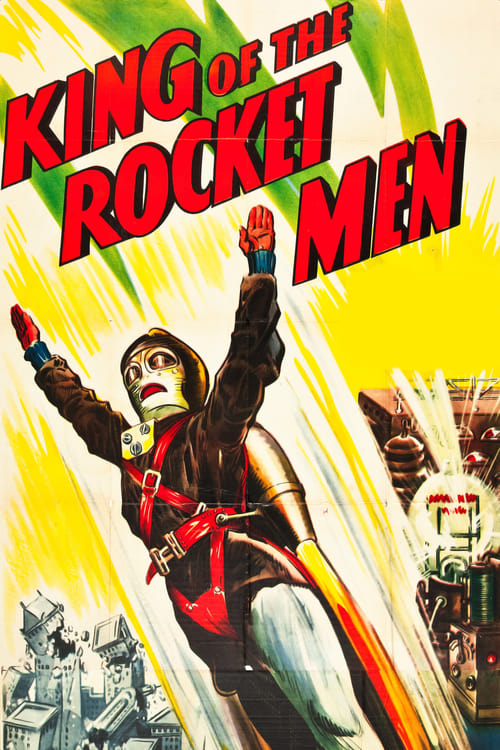
King of the Rocket Men
1949
No user ratings available yet
Representation score: 0.5 out of 10
Representation Score
Minimal
1940
NRDirector
Ford Beebe, Ray Taylor
Runtime
258 minutes
Average Rating
No ratings yetNew Showbiz Analysis
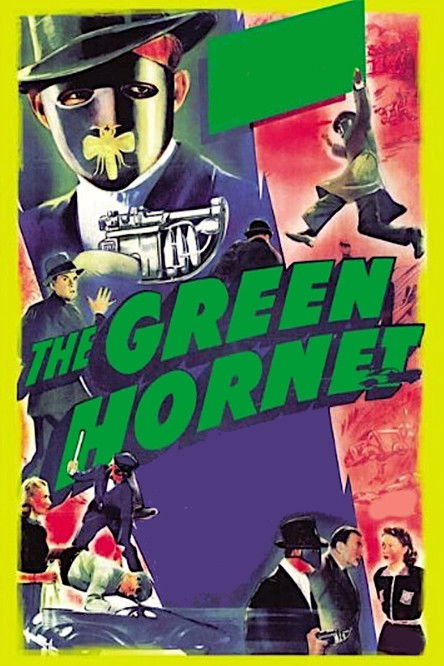
The Green Hornet (1940) is a classic example of its time, emphasizing pulp adventure over social critique. Character dynamics and narrative structure reinforce the established hierarchies of the early 1940s studio system. While Kato’s inclusion offers some racial diversity, he is defined by the era’s restrictive sidekick clichés, limiting his independence and character development. Overall, the film lacks the intention to challenge existing social structures. It relies on conventional archetypes regarding gender, race, and authority to propel its crime-fighting storyline.
Category Breakdown
The movie does not include any depictions of LGBTQ+ identities or themes. It focuses solely on a male-centric adventure plot without any queer subtext.
The film follows traditional gender roles where female characters have minimal, secondary roles that lack control over their actions, while the plot is driven by male protagonists.
Kato provides a non-white presence but is confined to the 'loyal sidekick' cliché. His role is limited by his dependence on the white protagonist.
The film upholds Western social order through vigilantism, reinforcing traditional moral frameworks without challenging systemic institutions.
There is no discernible representation of physical or neurodivergent disabilities within this serial.
Present on Screen
Limited or Absent
Official Synopsis
A newspaper publisher and his Korean servant fight crime as vigilantes who pose as a notorious masked gangster and his aide.
1949
1951
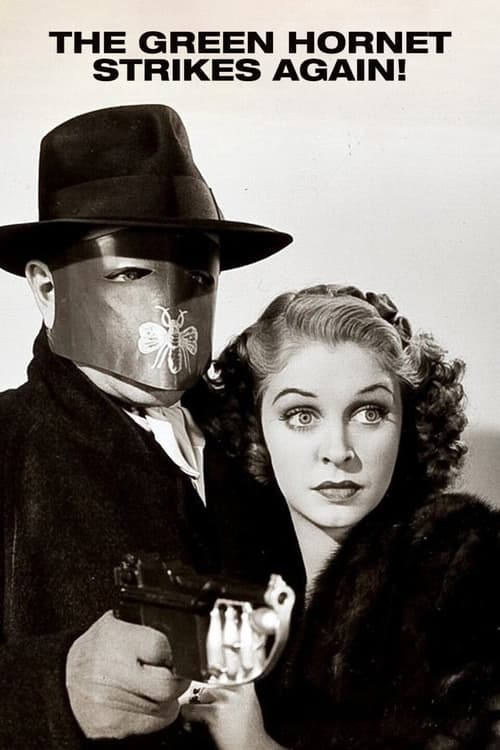
1940
1961
1940
1967
1942
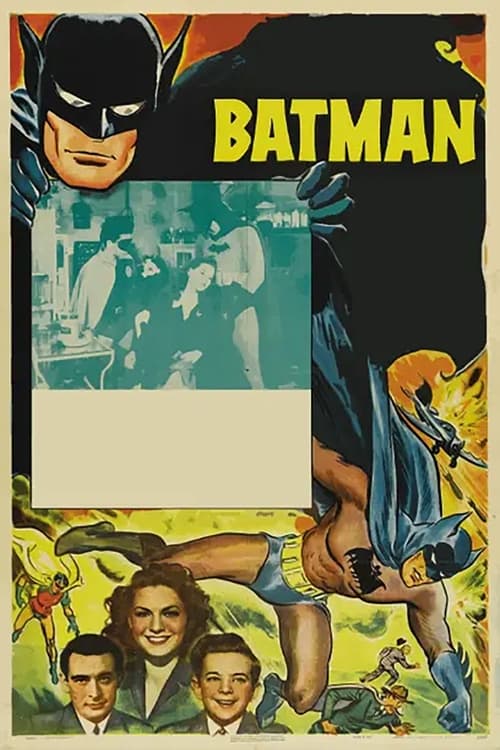
1943
No reviews yet. Be the first to share your thoughts on this movie!
Use the rating form above to leave a star rating and optional review.