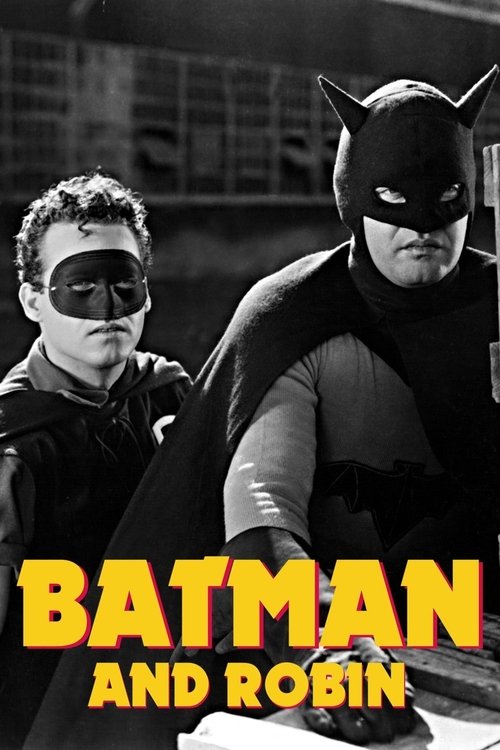
Batman and Robin
1949
No user ratings available yet
Representation score: 0.3 out of 10
Representation Score
Minimal
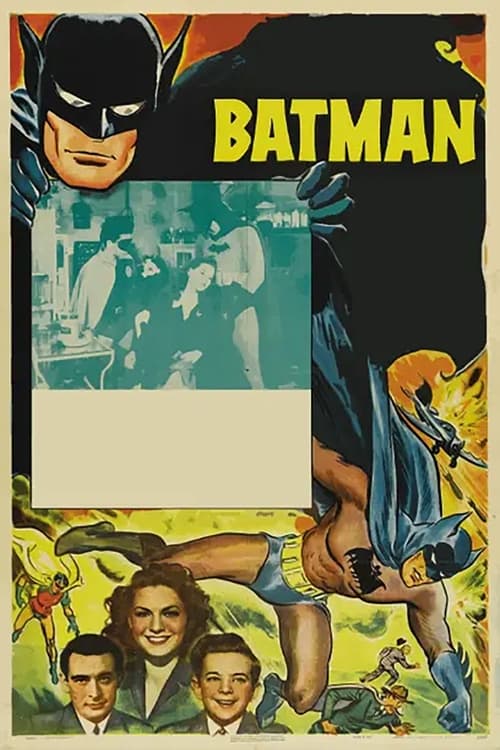
1943
ApprovedDirector
Lambert Hillyer
Runtime
260 minutes
Average Rating
No ratings yetNew Showbiz Analysis
This 1943 serial is a quintessential example of wartime pulp cinema, designed to reinforce the social and racial hierarchies of the era. Its narrative structure relies on period-specific anxieties, particularly through xenophobic clichés to frame foreign threats. The film emphasizes masculine competence and patriotic duty, lacking any significant challenge to traditionalist or nationalist frameworks. It serves as a tool for boosting wartime morale, reinforcing the existing social order. Ultimately, the production highlights the specific social anxieties of the time without offering nuanced or diverse perspectives.
Category Breakdown
The serial contains no discernible LGBTQ+ characters or explorations of non-straight-centered identities. Social dynamics remain strictly aligned with the conventional norms of the 1940s.
Female characters play supporting roles, acting mainly as catalysts for the male protagonists. The story emphasizes the masculine prowess of Batman and Robin, upholding traditional gender roles.
The film uses wartime xenophobia, portraying the antagonist as a Japanese master spy. The depiction of Little Tokyo highlights external threats without offering nuanced representation.
This patriotic film promotes a singular moral clarity centered on protecting Western institutions. It reinforces the preservation of the American way of life against perceived foreign destabilization.
Disability is not meaningfully represented. 'Pliable zombies' are used as villains, focusing on the loss of autonomy rather than exploring the complexities of disability.
Present on Screen
Limited or Absent
Official Synopsis
Japanese master spy Daka operates a covert espionage-sabotage organization located in Gotham City's now-deserted Little Tokyo, which turns American scientists into pliable zombies. The great crime-fighters Batman and Robin, with the help of their allies, are in pursuit.
1949
1966
2008
2016
1940
1997
1949

2018
No reviews yet. Be the first to share your thoughts on this movie!
Use the rating form above to leave a star rating and optional review.