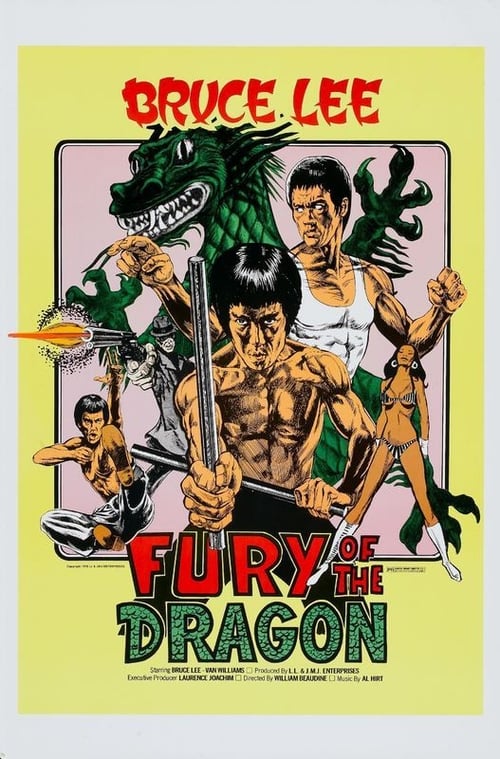
Fury of the Dragon
1976
No user ratings available yet
Diversity score: 2.6 out of 10

1940
NRDirector
Ford Beebe, John Rawlins
Runtime
293 minutes
Average Rating
No ratings yetSynopsis
Second serial featuring The Green Hornet and Kato.
Overall Score
Limited
Category Breakdown
LGBTQ+ Representation
The film lacks any presence of LGBTQ+ characters. It adheres strictly to the social and cinematic norms of the early 1940s.
Gender Representation
The narrative reinforces traditional hierarchies with a male-centric plot. Female characters are relegated to secondary roles and often function as damsels in distress.
Racial & Ethnic Diversity
Kato provides a notable departure from typical homogeneous casting of the era. As a skilled partner, he possesses significant agency, though he remains tied to the sidekick trope.
Religious & Cultural Diversity
The story centers on a traditional Western framework of justice. It reinforces standard notions of heroism and clear-cut morality typical of the Golden Age.
Disability Representation
There is no visible representation of physical, sensory, or neurodivergent disabilities within the character arcs or plot.
Strengths
Areas for Improvement
AI Analysis
The film is a quintessential product of the 1940s studio serial system. It prioritizes episodic action and genre tropes over social commentary, resulting in a narrative that largely mirrors the era's status quo. While the character of Kato offers a degree of racial inclusion that was progressive for the time, the film's architecture remains rooted in conventional gender roles. The lack of diversity in other areas keeps the overall score low. Ultimately, the work provides moderate ethnic inclusion through its central partnership but fails to challenge the systemic social structures or provide representation for LGBTQ+ or disabled characters.
1976
1964

1953
1943
1933

1926
1947

1939

1937
1968

1948

1937
No reviews yet. Be the first to share your thoughts on this movie!
Use the rating form above to leave a star rating and optional review.