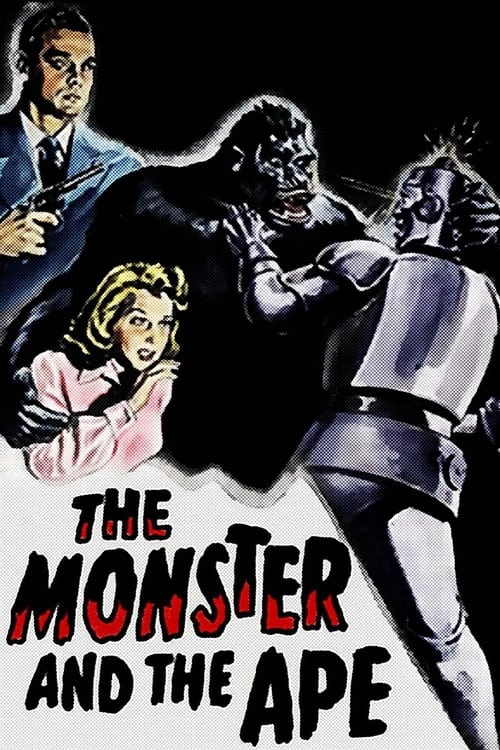
The Monster and the Ape
1945
No user ratings available yet
Representation score: 0.5 out of 10
Representation Score
Minimal
1940
NRDirector
James W. Horne
Runtime
285 minutes
Average Rating
No ratings yetNew Showbiz Analysis
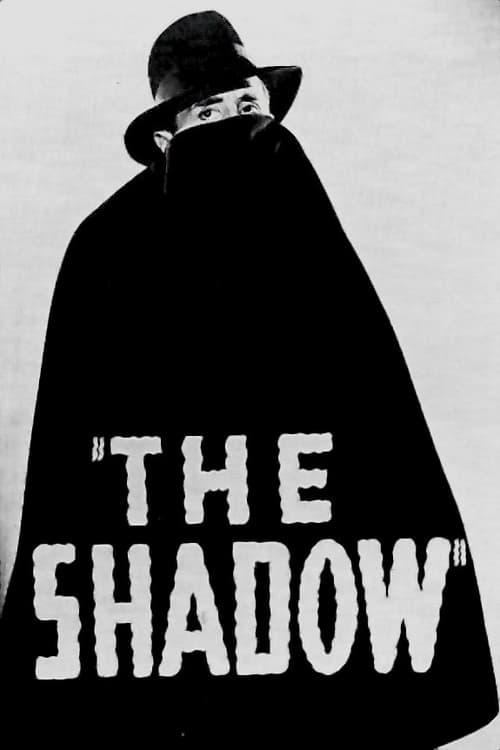
The Shadow is a classic pulp-era production that focuses on a binary struggle between justice and criminality. It operates within the rigid social and moral frameworks typical of 1940s genre filmmaking. The film upholds conventional social and gendered expectations rather than challenging them. It relies on established formulas of masculine leadership and homogeneous casting typical of its historical context. Ultimately, the work remains a straightforward genre piece that lacks diverse representation or systemic critique, focusing instead on a clear battle against a villainous antagonist.
Category Breakdown
The film does not include any queer identities or subtext. Character relationships focus solely on traditional romantic themes without questioning the assumption that everyone is straight or cisgender.
The story emphasizes traditional gender roles by positioning the male protagonist as the main driver of action. Female characters are limited to passive supporting roles or romantic interests.
The production follows the casting standards of 1940s pulp fiction, lacking significant racial diversity. It adheres to the era's tendency towards white, Anglo-Saxon protagonists.
The film operates through a traditional moral framework with a clear distinction between good and evil. It lacks moral relativism or critiques of Western institutions.
The film does not portray characters with visible or invisible disabilities with significant roles. Disability is not used as a theme or tool for character development.
Present on Screen
Limited or Absent
Official Synopsis
The Shadow battles a villain known as The Black Tiger, who has the power to make himself invisible and is trying to take over the world with his death ray.
1945

1951
1968
1994
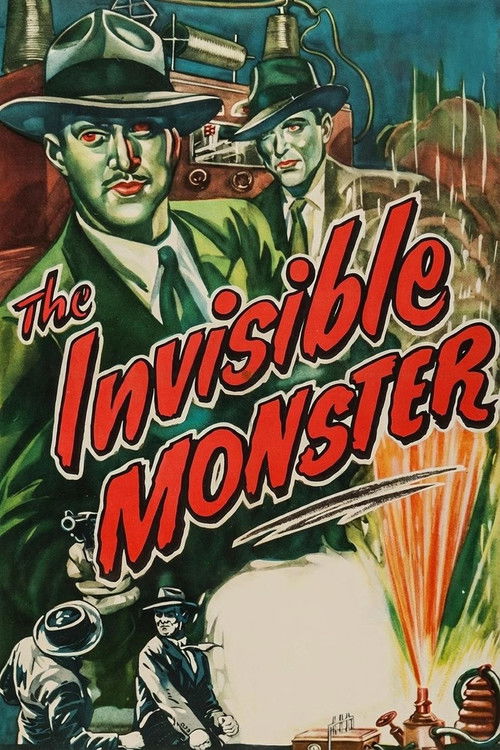
1950
1951
1941
1950
No reviews yet. Be the first to share your thoughts on this movie!
Use the rating form above to leave a star rating and optional review.