
Superman
1948
No user ratings available yet
Representation score: 1.6 out of 10
Representation Score
Minimal
1961
Director
George Blair
Runtime
30 minutes
Average Rating
No ratings yetNew Showbiz Analysis
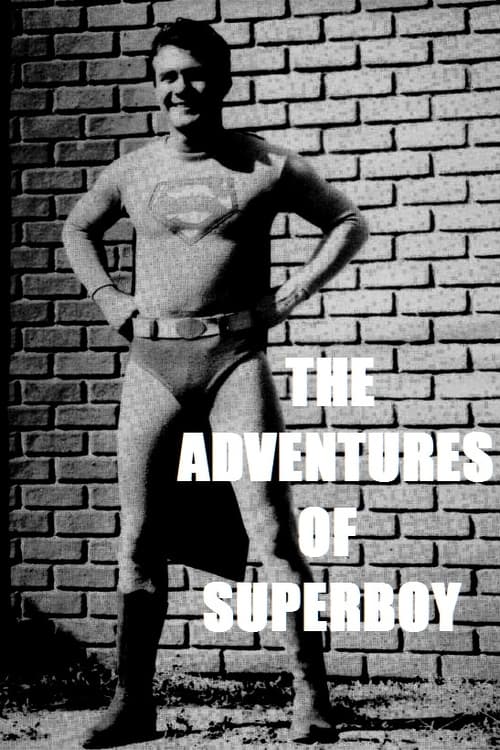
The Adventures of Superboy is a classic mid-century genre film that emphasizes traditional social hierarchies. The narrative centers on a boy's reconciliation with his father's socioeconomic status, reinforcing conventional family roles and the value of work through a straightforward moral lens. By adhering to the mainstream standards of 1961, the film lacks complexity in reflecting multiple aspects of identity. It relies on established archetypes of heroism and paternal protection, offering little room for diverse perspectives or challenges to social norms. Overall, the film reinforces the existing social order. It lacks representation across various underrepresented categories, resulting in a narrow, homogeneous viewing experience.
Category Breakdown
The film doesn't include any characters with non-straight or non-cisgender identities. It focuses solely on traditional family dynamics and character types.
The story revolves around a male-driven hero's journey featuring Clark Kent and Superboy. Lana Lang's role remains secondary to the male protagonists and paternal themes.
The setting implies a homogeneous society typical of the time. Characters of color are not prominently featured, and there are no significant roles for them.
The film upholds traditional Western values and emphasizes the sanctity of the family unit. It promotes social cohesion through conventional morality without challenging broader societal structures.
The film does not feature any characters with visible or invisible disabilities. The plot does not address disability or neurodiversity.
Present on Screen
Limited or Absent
Official Synopsis
Jimmy, Clark Kent and Lana Lang's friend, is ashamed that his father works as a doorman at the Smallville theater. His opinion changes when Superboy is able to thwart a robbery with Jimmy's father's help.
1948
1951
1954
2006
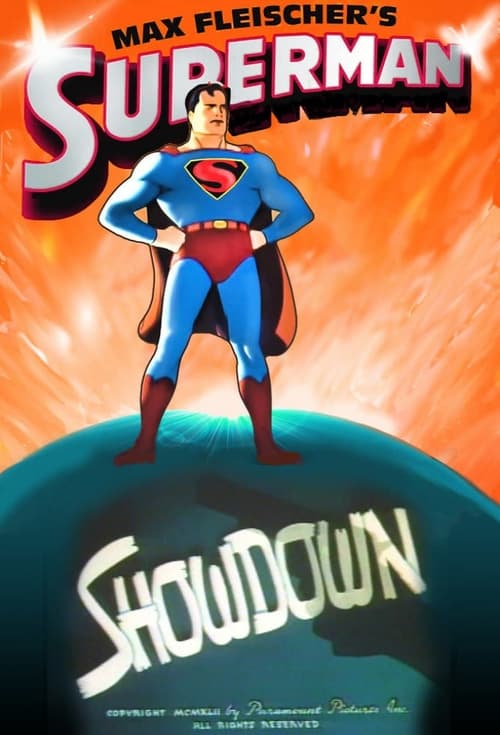
1942
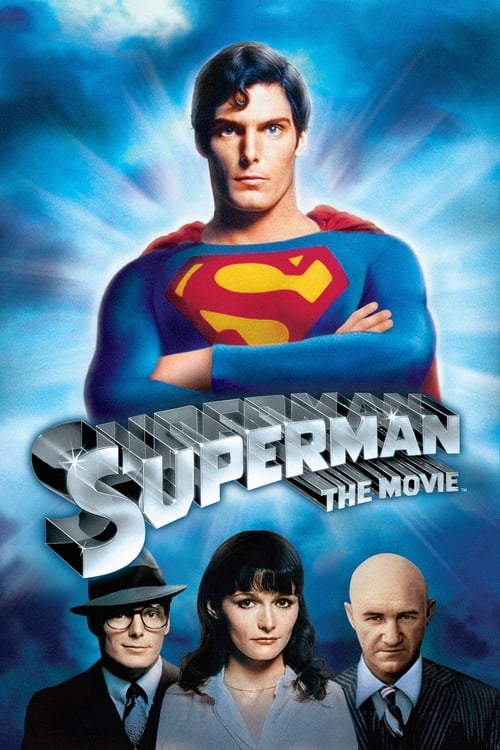
1978
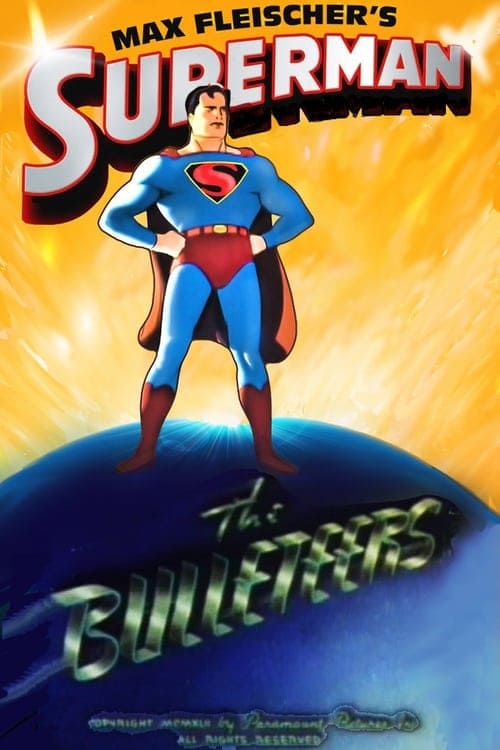
1942
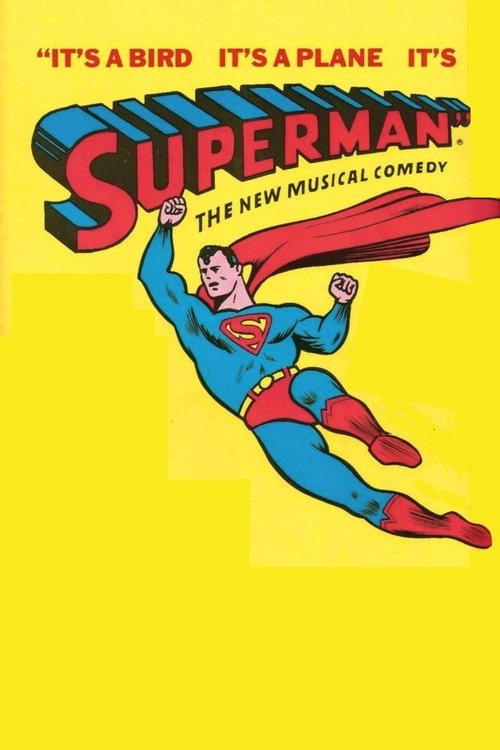
1975
No reviews yet. Be the first to share your thoughts on this movie!
Use the rating form above to leave a star rating and optional review.