State Funeral
2019
No user ratings available yet
Representation score: 2.4 out of 10
Representation Score
Fair
2023
Director
Jérôme Lambert, Philippe Picard
Runtime
56 minutes
Average Rating
No ratings yetNew Showbiz Analysis
The documentary serves as a historical examination of state power rather than a study of modern identity politics. Its main goal is to deconstruct Soviet totalitarianism through Solzhenitsyn’s work. While the film excels at critiquing oppressive political structures and institutional corruption, it follows a traditional historical framework. This results in a narrative that prioritizes political dissent over diverse social representation. Representation is largely shaped by the historical context. Consequently, the film lacks contemporary social identity narratives, focusing instead on the systemic victimhood caused by the labor camp system.
Category Breakdown
The documentary does not include any LGBTQ+ characters or narratives. It focuses on political and human rights issues within the Soviet labor camp system rather than addressing non-cisgender identities.
The film centers on Aleksandr Solzhenitsyn, giving him a prominent role. While it likely documents the experiences of women in the camps, the focus remains on the male-driven political history.
The movie explores the multi-ethnic Soviet empire and the diverse backgrounds of those imprisoned. It stays true to the ethnic realities of the mid-20th century rather than modern multi-layered casting.
The film strongly critiques totalitarian institutions and centralized power. It portrays the Soviet system as an oppressive mechanism, challenging the legitimacy of historical authoritarian hierarchies.
Physical and mental trauma are shown as symptoms of systemic oppression. These elements serve a historical purpose rather than exploring disability or neurodivergence as independent identities.
Present on Screen
Limited or Absent
Official Synopsis
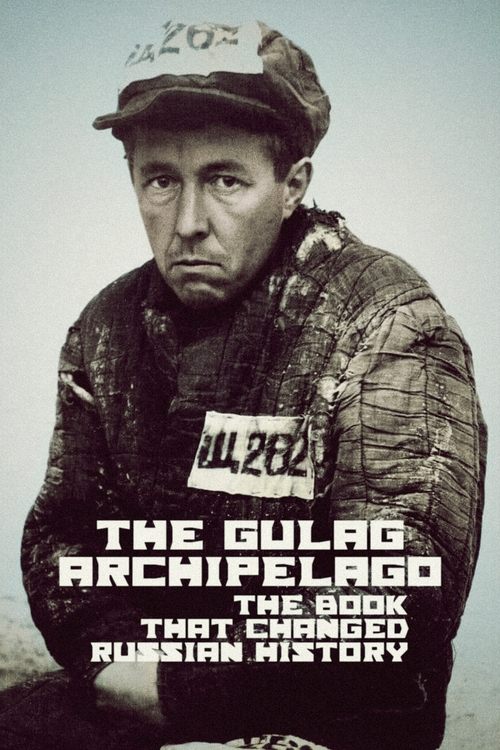
The story of Russian writer and Soviet dissident Aleksandr Solzhenitsyn (1918-2008) and his masterpiece, The Gulag Archipelago, published in Paris in 1973, which forever shook the very foundations of communist ideology.
2019
2012
2015
2020
1994
2012
2021
2014
No reviews yet. Be the first to share your thoughts on this movie!
Use the rating form above to leave a star rating and optional review.