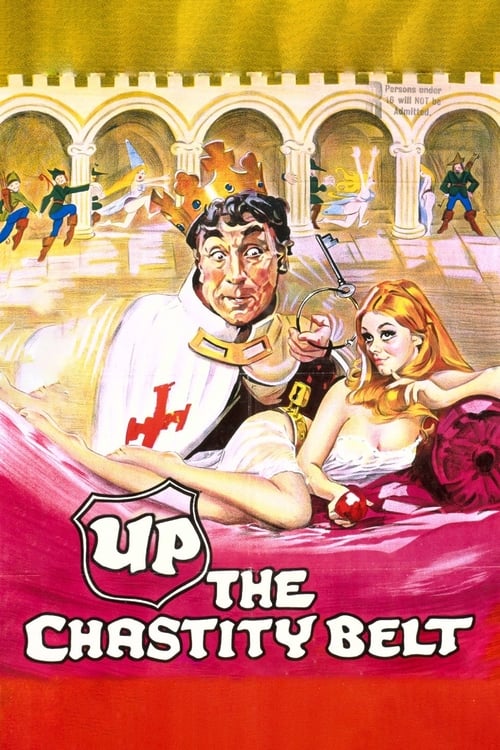
Up the Chastity Belt
1972
No user ratings available yet
Diversity score: 2.2 out of 10
1972
UnratedDirector
Bob Kellett
Runtime
89 minutes
Average Rating
No ratings yetSynopsis
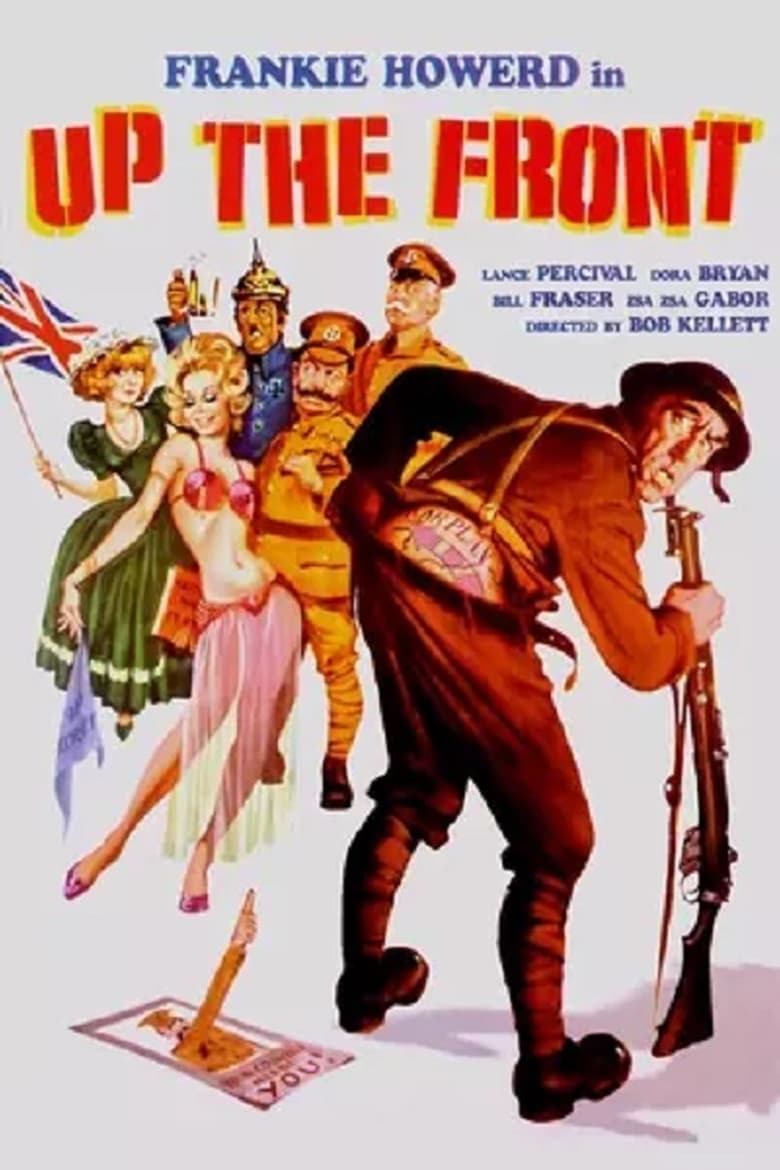
In Frankie Howerd's third Up... film it's World War I and he plays Lurk, an absolute cowerd, er coward. He's evading the call-up for all he's worth. But one evening he's hypnotised by a drunken hypnotist (Stanley Holloway) into being brave, but he fails to be released from it. So with his yellow streak gone Lurk is down that army office before you can say "titter ye not." Off to war he goes, mingling with sexy spies like Zsa Zsa Gabor and before long, the spellbound recruit is heading hot-foot back to Blighty with the Germans' plan of attack tattooed on his bum, and the Germans are bringing up the rear...! Full of sauce, knowing real-life references and witty remarks to camera, this is a cheeky incorrigible final instalment.
Overall Score
Limited
Category Breakdown
LGBTQ+ Representation
The film focuses on wartime farce and romanticized espionage. It lacks non-cisnormative identities or critiques of heteronormativity, relying instead on traditional gender dynamics.
Gender Representation
Female characters like Zsa Zsa Gabor appear as archetypal 'sexy spies.' The plot centers on the protagonist's struggle with masculinity through a lens of slapstick farce.
Racial & Ethnic Diversity
Set within a Western military context, the film suggests a homogeneous cast. There is no indication of non-white protagonists or the subversion of Anglo-centric casting.
Religious & Cultural Diversity
The narrative celebrates British eccentricity and wartime camaraderie. It reinforces nationalistic sentiment through traditional tropes rather than offering a critique of Western institutions.
Disability Representation
The plot uses hypnosis as a comedic device to alter personality. This treats psychological states as mere plot engines rather than nuanced depictions of neurodivergence.
Strengths
Areas for Improvement
AI Analysis
Up the Front is a traditionalist comedy rooted in British music hall and slapstick traditions. It prioritizes broad archetypes and situational farce over social commentary or systemic critique. The film operates within the standard cultural frameworks of its era, utilizing established genre tropes. It lacks the intentionality needed to disrupt social hierarchies or provide intersectional representation. Ultimately, the production functions as lighthearted escapism, reinforcing historical military structures and nationalistic sentiments through a lens of wartime camaraderie.
1972
1976
1959
1941

1969
1944
1952
1964
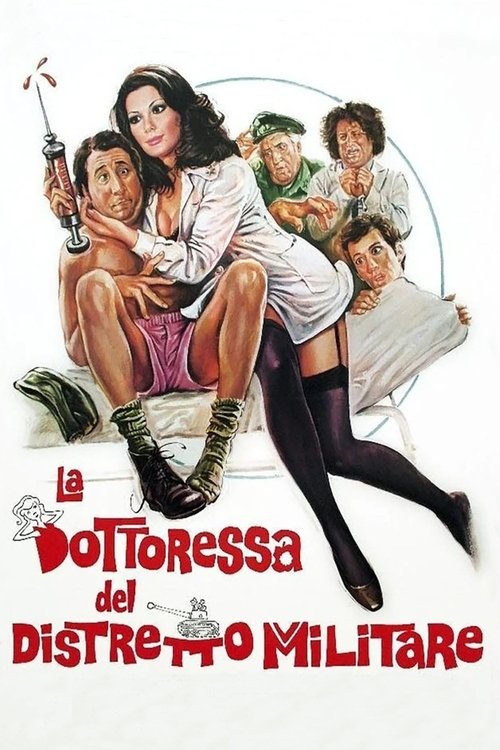
1976
1977
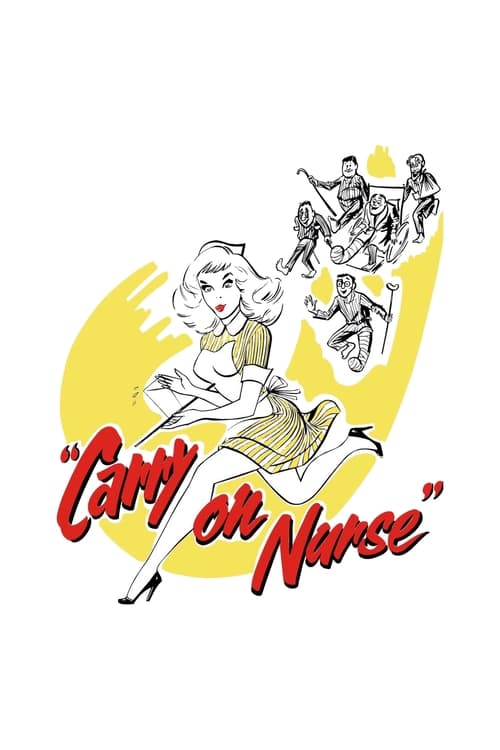
1959
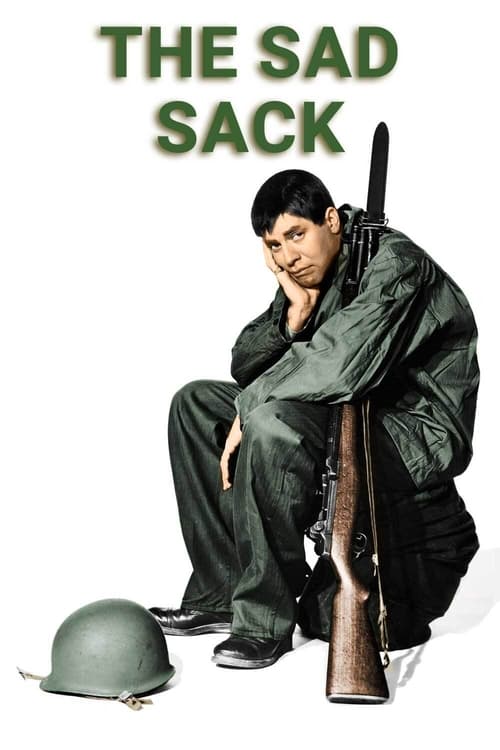
1957
No reviews yet. Be the first to share your thoughts on this movie!
Use the rating form above to leave a star rating and optional review.