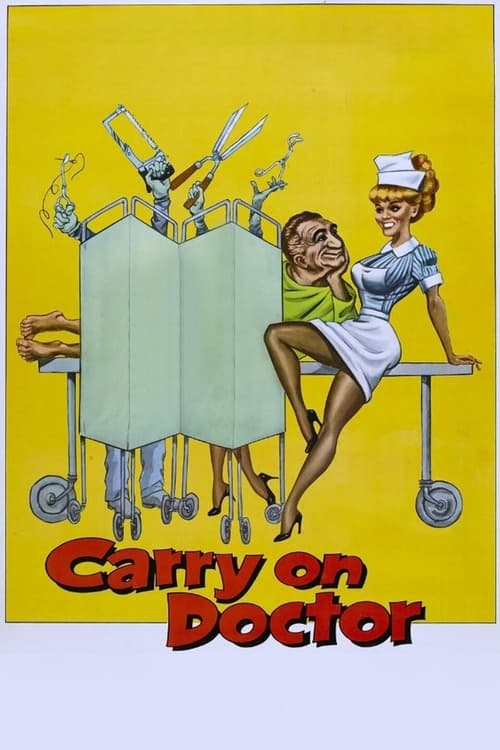
Carry On Doctor
1967
No user ratings available yet
Representation score: 1.6 out of 10
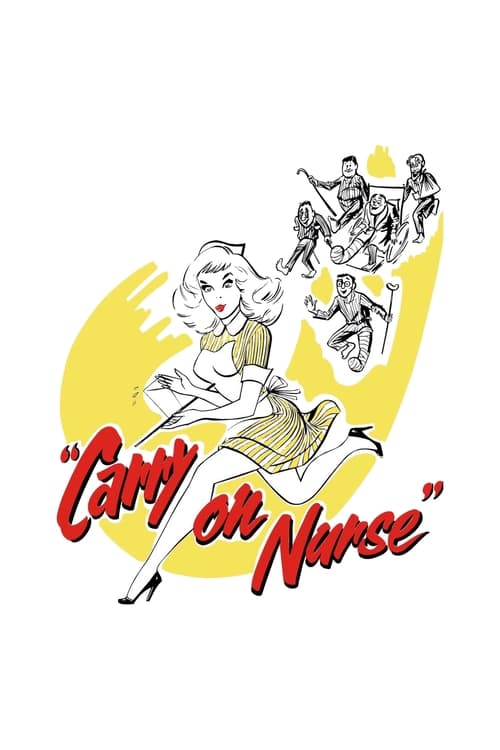
Representation Score
Limited
1959
Not RatedDirector
Gerald Thomas
Runtime
86 minutes
Average Rating
No ratings yetNew Showbiz Analysis
Carry On Nurse operates within a traditional mid-century British farce framework. The narrative emphasizes situational comedy and broad archetypes over any meaningful social critique or disruption of cultural norms. The film maintains the demographic and social status quo of its time. It lacks the intention to challenge conventional expectations about identity, power, or institutional authority, favoring lighthearted chaos. Ultimately, the work reflects a culturally monolithic environment. It relies on established formulas that uphold, rather than question, the social hierarchies of the period.
Category Breakdown
The film adheres to traditional heterosexual and cisgender norms, focusing on conventional romantic relationships without exploring other gender identities.
Gender roles follow traditional hierarchies, with a powerful Matron as an authority figure. Humor often centers around flirtatious interactions and clumsy male characters, reinforcing rather than challenging stereotypes.
The cast is predominantly white, reflecting the homogeneous demographics of 1959 Britain. There is a lack of diverse ethnic representation or multi-layered casting.
The story highlights a specific British institutional setting through farcical situations. It upholds traditional social structures without offering critical perspectives on religion or Western institutions.
Physical ailments, such as a humorous bunion removal subplot, serve as plot devices for slapstick comedy. The film uses medical conditions primarily as tools for humor rather than providing nuanced character development.
Present on Screen
Limited or Absent
Official Synopsis
In Haven Hospital, a certain men's ward is causing more havoc than the whole hospital altogether. The formidable Matron's debut gives everyone a chill every time she walks past, with only Reckitt standing up to her. There's a colonel who's a constant nuisance, a bumbling nurse, a romance between Ted York and Nurse Denton, and Bell wants his bunion removed straight away, so after a couple of pints, the men decide to remove the bunion themselves!
1967
1969
1972
1971

1969
1959
1960
1959
No reviews yet. Be the first to share your thoughts on this movie!
Use the rating form above to leave a star rating and optional review.