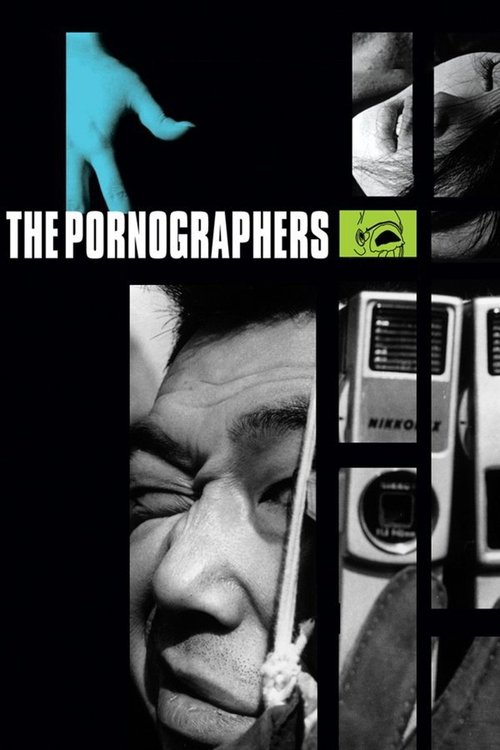
The Pornographers
1966
No user ratings available yet
Representation score: 5.7 out of 10

Representation Score
Good
1981
RDirector
Dušan Makavejev
Runtime
96 minutes
Average Rating
No ratings yetNew Showbiz Analysis
Montenegro is a sophisticated critique of mid-century social norms. It succeeds by rejecting traditional Western institutions and celebrating psychological volatility and cross-cultural fluidity. The film's strength lies in its subversion of the nuclear family. By presenting domesticity as a site of rebellion, it challenges the traditional submissive homemaker archetype. While the film explores ethnic friction and non-traditional relationships, it does not delve deeply into specific codified identities or clinical disability representation.
Category Breakdown
The film challenges traditional relationships by focusing on the protagonist's unconventional romance with a young Yugoslav woman. It highlights non-traditional relational dynamics over the typical nuclear family structure.
Marilyn defies the traditional submissive wife role through her radical and eccentric actions. Her daughter's story suggests a critical look at gendered domestic life as a restrictive social performance.
The story centers on an encounter between an American expatriate and a Yugoslav immigrant, exploring the tensions between different ethnic groups and underrepresented communities.
The narrative avoids idealized cultural portrayals, instead showing the raw reality of an immigrant community. It questions Western institutional stability by depicting domestic chaos as a form of liberation.
The protagonist's behavior is described as psychological eccentricity rather than a specific clinical disability. There is no explicit depiction of physical or neurodivergent disabilities.
Present on Screen
Limited or Absent
Official Synopsis
Marilyn Jordan, an American, lives in Stockholm with her Swedish husband and family. Her behavior is bizarre, perhaps mad: she poisons the dog's milk and advises the dog not to drink it; she sets the sheets afire as her husband sleeps; she crawls under the dining table to sing. While detained at airport customs for carrying pruning shears, she meets a young Yugoslav woman and goes with her to a Gypsy enclave where she's fought over, takes a lover, helps with the sordid entertainment at a bar, and returns home more dangerous than before. The film also tells parallel stories of Marilyn's daughter becoming a junior homemaker as the young immigrant practices her striptease.
1966
1970

1988
1977
1970

1977
1982
1981
No reviews yet. Be the first to share your thoughts on this movie!
Use the rating form above to leave a star rating and optional review.